


Fudan Researchers Develop Self-Powering Microrobot Skin That Generates Electricity While Walking
 08 October 2026 05:23 PM
Recently, a team led by Yue Gao from the Department of Polymer Science at Fudan University published a study on powering microrobots in National Science Review. Instead of cramming more batteries into a smaller space, they took a different approach: enabling the robot's feet to generate electricity "on-site" upon contact with the environment. The interesting aspect of this work is that the team used a cross-linked potassium polyacrylate (XL-PAAK) polymer membrane to convert widely available metallic substrates (such as aluminum and zinc) and atmospheric moisture and oxygen into a controllable, portable power source. The membrane achieved a power density of 133 mW cm⁻² on a zinc substrate and can be miniaturized to 0.0004 cm³ without performance degradation. A microrobot equipped with this membrane completed over 1,000,000 steps of continuous walking on an aluminum substrate, with stable voltage output throughout. More importantly, this membrane can also "sense" the material and roughness of the ground beneath its feet, instructing the robot on its direction while providing power.
1. From "Carrying a Battery" to "Walking with the Environment"
The autonomy of microrobots has long been hampered by the "power supply." A 1.7g microrobot can only crawl for about 2 minutes with its own battery; to achieve a 2-hour runtime, the battery needs to account for 94% of the total weight, corresponding to an energy density as high as 5382 Wh kg⁻¹, far exceeding the current upper limit of lithium-ion batteries. When the volume shrinks to below 1 cm³, the battery's energy density drops drastically. Faced with this bottleneck, the team attempted to move beyond the conventional approach of "how to make the battery smaller and denser," and instead proposed: can the robot's environment itself be used as an energy source? Active materials such as aluminum, zinc, and silicon are ubiquitous on the surfaces of pipes, buildings, and equipment. If an interface could be designed so that the robot's feet trigger a chemical reaction to generate an electric current when they step on it, then the runtime would no longer be limited by the amount of internal energy storage.
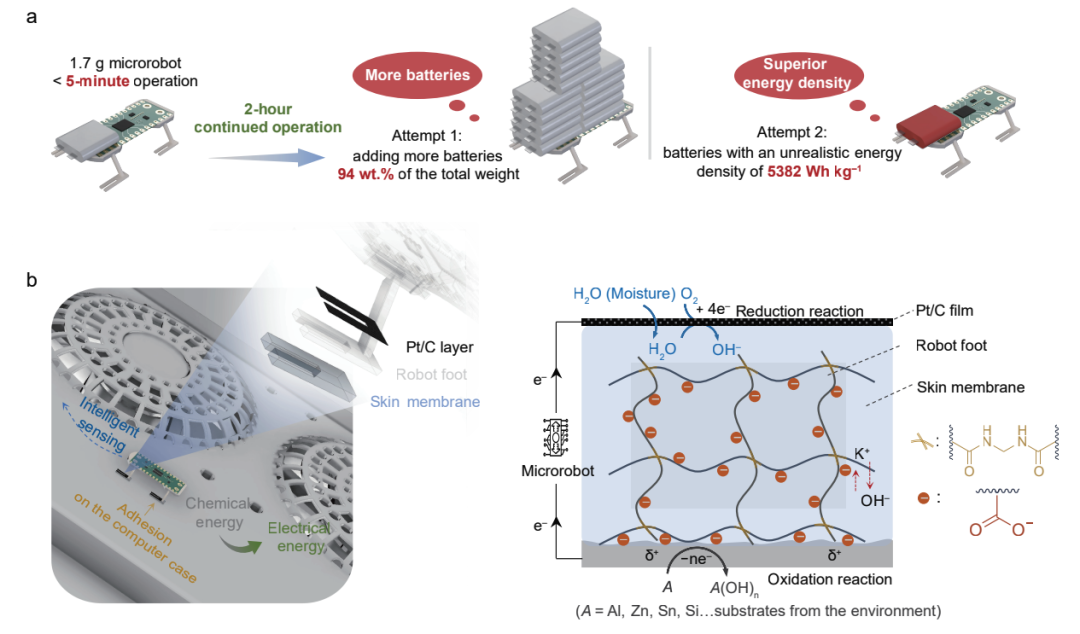
Figure 1. Schematic diagram of continuous power supply and intelligent environmental perception for microrobots using an electrochemical polymer skin membrane.
2. Design of a Polymer "Skin Membrane": Generating Electricity, Walking, and Sensing
The key to realizing this idea lies in creating a "skin" for the sole of the foot that simultaneously meets multiple conflicting needs: it must be able to "grab" moisture from the air to maintain reactions, while remaining flexible and intact under repeated stepping; it must adhere to the substrate to prevent slipping, yet easily detach when the foot is lifted; ideally, it should also be able to distinguish what the foot is stepping on. The team chose cross-linked potassium polyacrylate (XL-PAAK) as the base system, forming a thin film through a one-step in-situ polymerization process on the sole of the robot's foot.
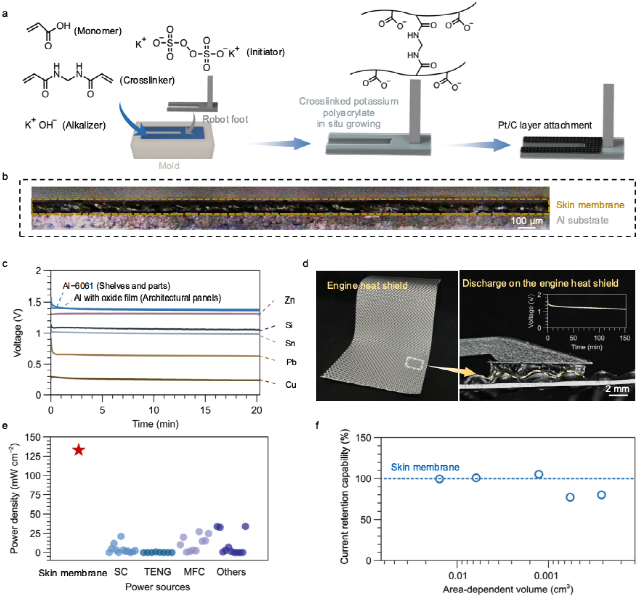
Figure 2. Preparation and electrochemical properties of the cross-linked potassium polyacrylate skin membrane.
The design of this membrane incorporates the following carefully considered details:
Water Retention and Freeze Resistance: Independent of External Humidification
The –COO⁻, K⁺, and OH⁻ molecules within the membrane form strong hydrogen bonds and ion-dipole interactions with water molecules in the air, enabling the membrane to actively capture and lock in moisture even in dry environments. Experiments show that even after 48 hours of exposure at 20% relative humidity, the membrane maintains stable discharge. At -20°C, due to the perturbation of the hydrogen bond network of water molecules by K⁺, ion conduction remains within the membrane, with the voltage decreasing by only about 0.2 V compared to room temperature. This antifreeze mechanism is difficult to achieve in conventional lithium-ion battery systems because it relies on the unique hydrogen bond regulation in water systems. On the other hand, the cross-linked structure ensures that the membrane can still function at 80°C, recovering after water evaporation and replenishment.
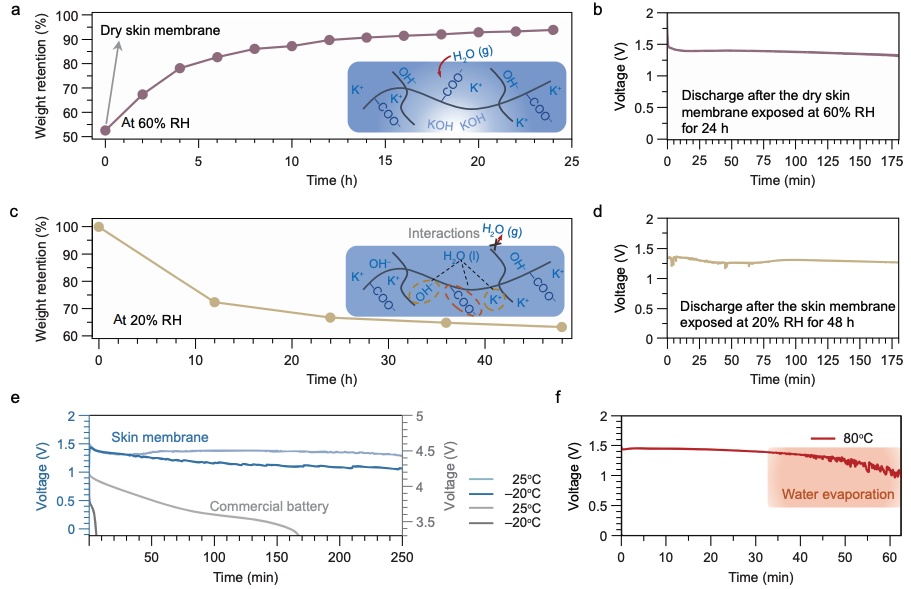
Figure 3. The water self-capture and retention capability and wide temperature range adaptability of the skin membrane.
[Image Description: "Walking" becomes a natural interface refresh mechanism; "Contact generates electricity, lifting the foot stops it"]
When the membrane comes into contact with active substrates such as Al and Zn, the substrate loses electrons, and the Pt/C catalytic layer on the membrane side reduces oxygen and water in the air, forming a complete circuit. This process is established instantaneously upon contact (approximately 0.1 ms) and interrupted immediately upon lifting the foot. Therefore, each step the robot takes naturally refreshes the reaction interface, and the discharge products remain on the substrate surface rather than on the film, avoiding the performance degradation caused by product accumulation in traditional static batteries. It is this ingenious coupling of physical movement and electrochemical processes that allows the film to maintain its voltage output without any degradation throughout an extreme walking test of 1,000,000 steps.
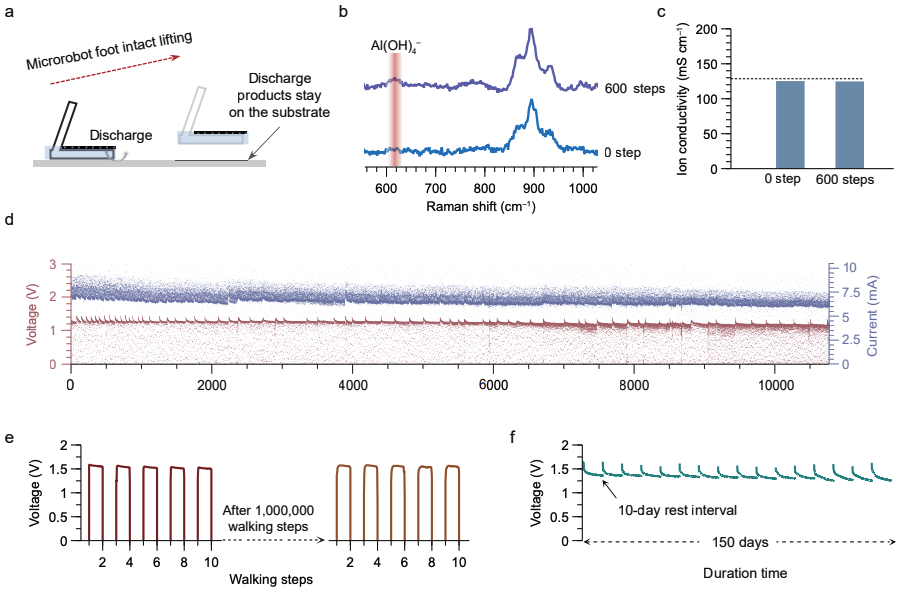
Figure 4. Continuous walking test, structural stability, and long-term durability verification.
Anisotropic adhesion: A firm grip, yet quick release
The film and the metal substrate form electrostatic adhesion through –COO⁻ groups, providing stable grip. More importantly, this adhesion is directional: strong adhesion in the shear direction of walking prevents slippage; low desorption resistance in the vertical direction does not affect foot lifting efficiency. This mechanical design allows the robot to crawl stably even on inclined aluminum plates.
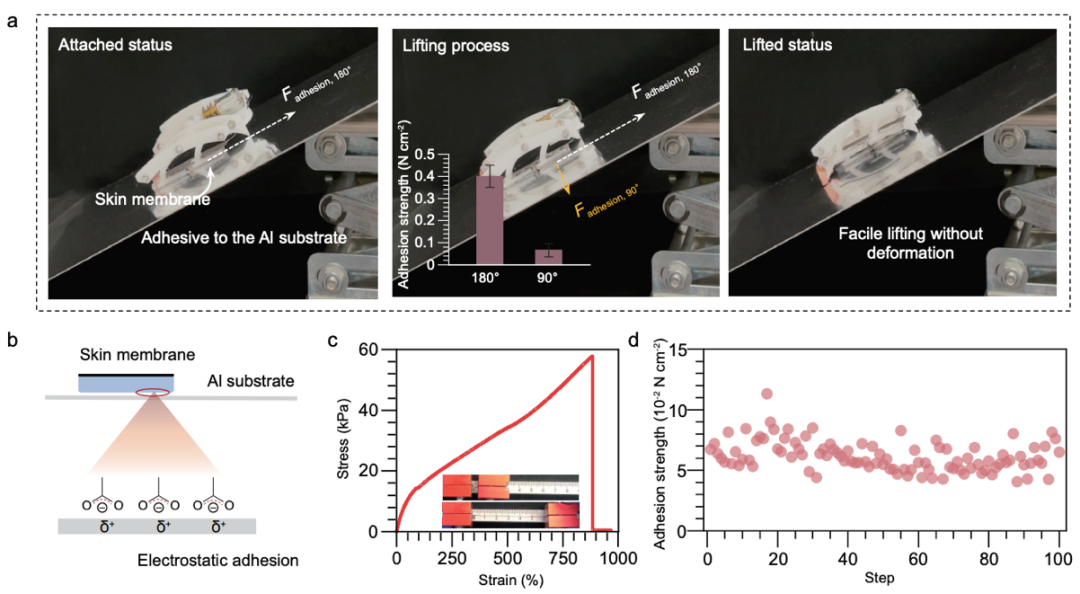
Figure 5. Electrostatic adhesion mechanism, mechanical properties, and multi-cycle stability.
Integrated Sensing Capabilities: "Hearing" the Sounds Underfoot Through Ion Migration
This membrane not only provides power but also identifies the environment through implanted electrode sensors. When the robot steps on different materials, differences in electrochemical reaction rates and OH⁻ consumption cause directional migration of K⁺ within the membrane, generating characteristic potential signals. Stepping on uneven surfaces also causes changes in ion distribution due to external pressure, producing another type of signal. These two signals have different waveform characteristics and can naturally decouple; changes in material produce stable square wave signals, while changes in roughness produce millivolt-level spike signals. Utilizing this mechanism, the robot can identify the material and roughness under its feet in real time when navigating complex paths containing various surfaces such as aluminum, zinc, tin, and plastic, and feed the signals back to the control system, thus actively seeking the direction of a power-supplying substrate. The team further expanded the sensor into an X-Y electrode array, achieving spatial localization of the contact area on the sole of the foot. This means the robot can not only sense "what it stepped on" but also "where it stepped on it."
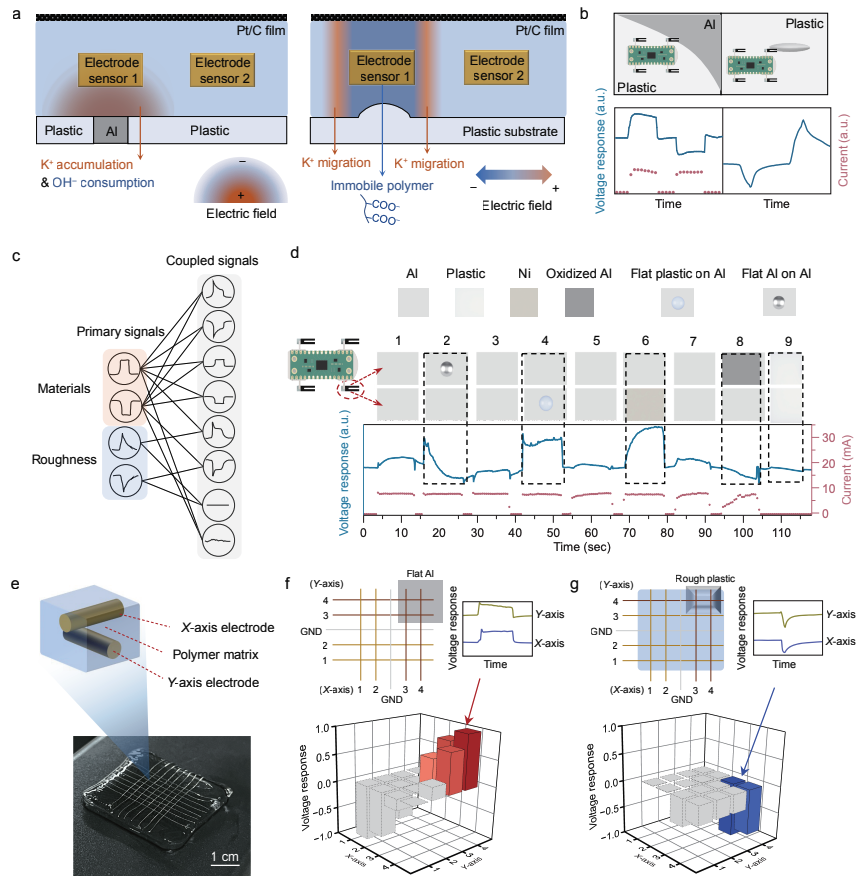
Figure 6. Sensor working mechanism, signal coupling recognition, and spatial positioning of the electrode array.
3. Limitations and Future Considerations
The team also discussed the shortcomings of the current system in the paper. First, the KOH in the membrane is gradually consumed due to the self-corrosion side reaction of aluminum and the carbonization effect of CO2 in the air. Currently, it requires manual replenishment of approximately 1 wt% KOH solution to restore performance; autonomous replenishment is not yet possible. Second, the system relies on the presence of an active substrate in the environment; if the robot is completely on a plastic or glass surface, it cannot generate electricity. To address this, the team proposed a hybrid scheme involving parallel connection with a supercapacitor, pre-storing electricity in areas with active substrates for subsequent use in areas without substrates.