


Abstract:EPFL researchers have created a bio-hybrid robotic gripper using lobster tail exoskeletons, combining flexibility and strength to manipulate objects up to 500 grams and even operate underwater. This sustainable design repurposes food waste while offering a renewable, high-performance alternative for future robotic applications.
Researchers at the CREATE Lab, École Polytechnique Fédérale de Lausanne (EPFL), Switzerland, have developed a bio-hybrid robotic gripper using lobster tail exoskeletons as functional fingers. Unlike traditional bionic devices that mimic biology, this gripper is bio-derived, integrating actual animal tissue. The study, published in Advanced Science as “Dead Matter, Living Machines: Repurposing Crustaceans’ Abdomen Exoskeleton for Bio-Hybrid Robots,” highlights a sustainable approach to robotics by reusing food waste.
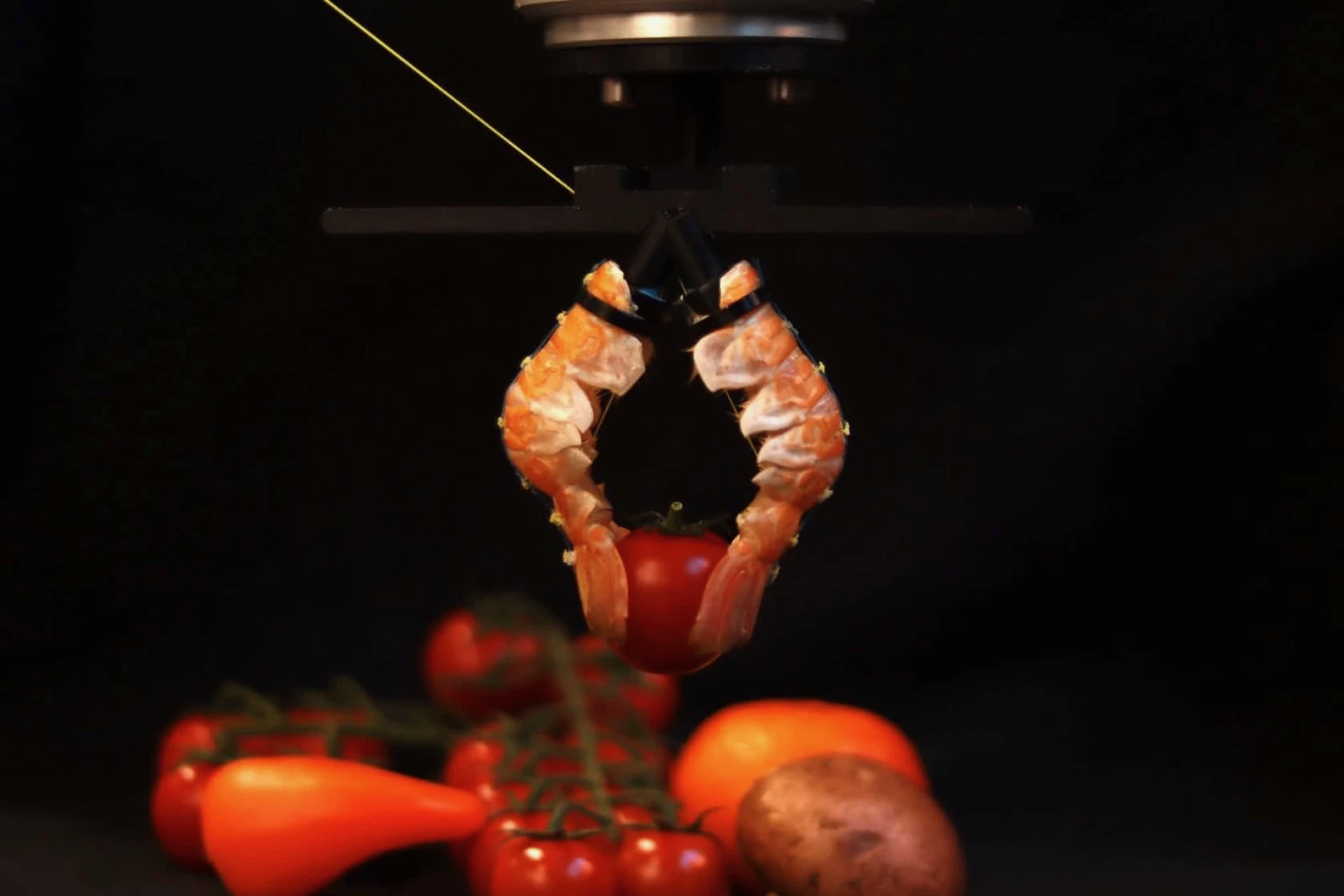
Lobster exoskeletons combine rigid mineralized shells with flexible joint membranes, providing independent segment movement and high-torque capability. The CREATE Lab team adapted this natural structure for robotics, coating the lobster tails with silicone reinforcement and mounting them on a motorized base. The gripper can lift up to 500 grams, grasp objects of various shapes without damage, and even operate underwater at speeds of 11 cm/s.
The built-in segmented elastomer allows controlled bending and extension of the lobster “fingers,” enabling precise manipulation. After use, the lobster shells can be separated from synthetic components, allowing recycling and repurposing of man-made materials. This design demonstrates a practical integration of sustainable biomaterials into functional robotic systems.
Food waste is a significant global challenge, contributing 8–10% of greenhouse gas emissions. By repurposing lobster shells, the researchers show a potential pathway to reduce environmental impact while creating durable and renewable materials for robotics.
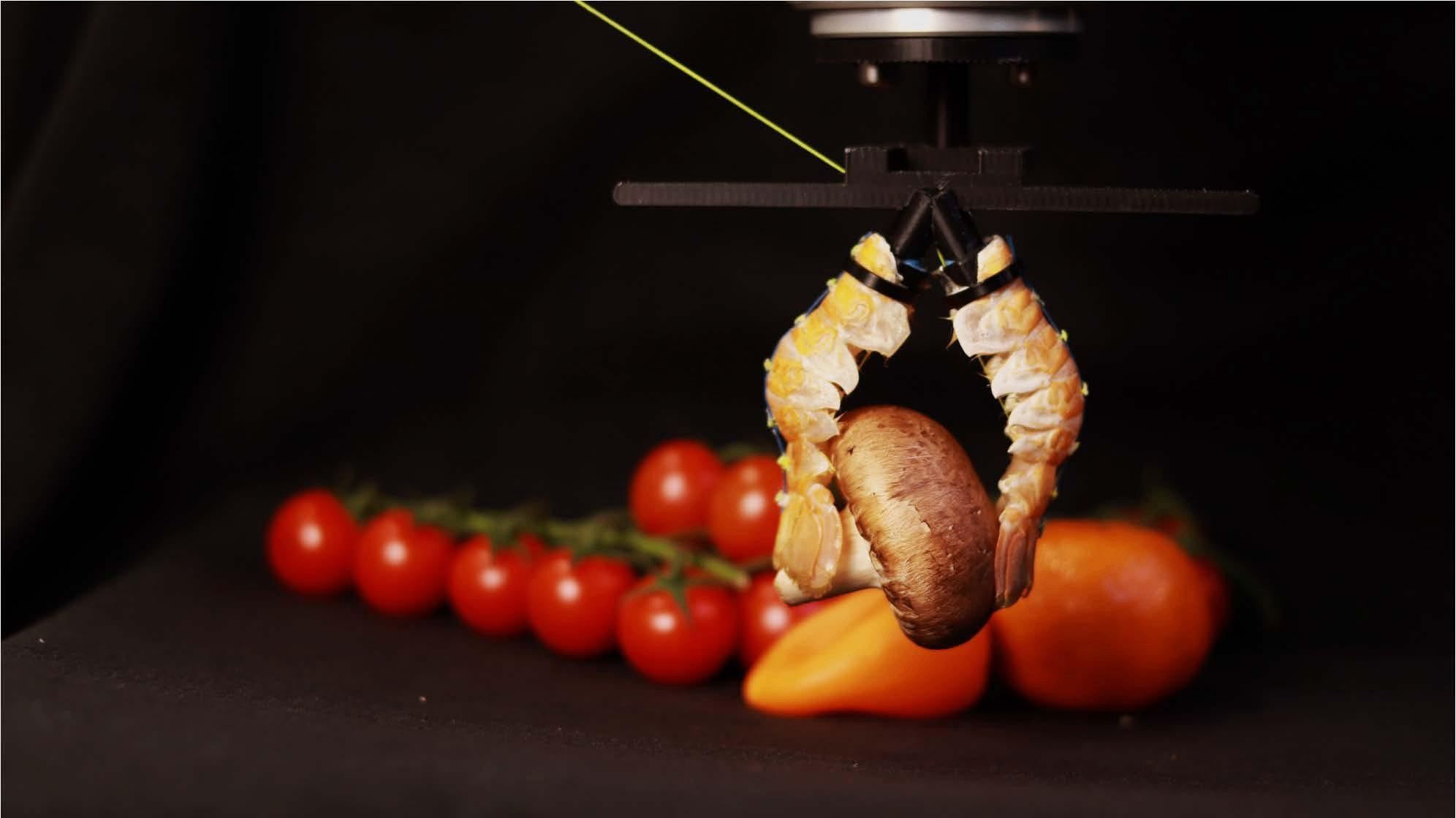
Lead researcher Josie Hughes emphasizes that natural exoskeletons offer design advantages that are difficult to replicate with conventional materials. This work illustrates how biological materials can inspire and directly contribute to functional, sustainable robotic technology, with future potential in implants and monitoring devices.
Source: Online Public Resources

