


Summary:Imperial College London researchers have developed MT3, an advanced robot learning technology that enables robotic arms to master complex tasks from a single demonstration, reducing training data requirements and improving real-world adaptability.
A new artificial intelligence training system called MT3 (Multi-Task Trajectory Transfer) is transforming how robots learn complex skills. The technology enables robotic arms to acquire and perform a wide range of tasks from just one human demonstration, eliminating the need for massive training datasets typically required by conventional robot learning methods.
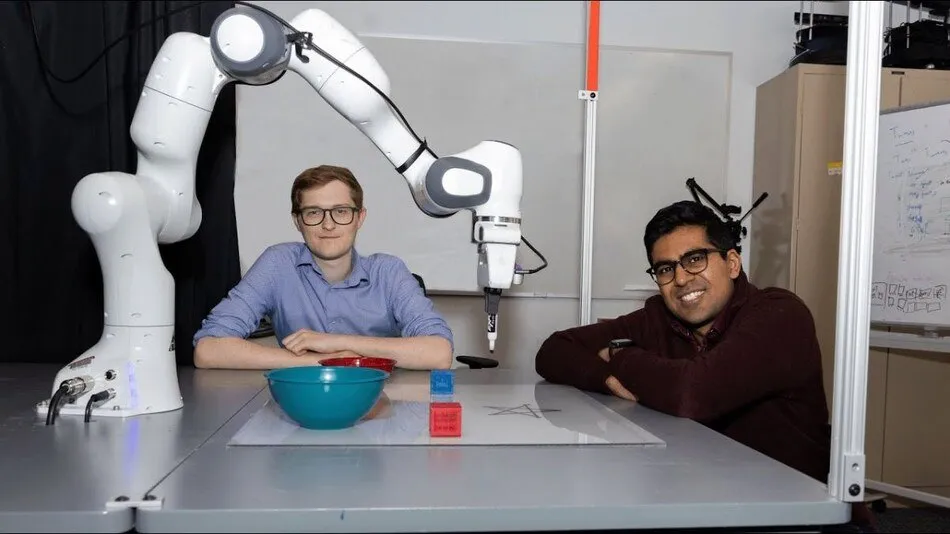
Developed for robotic manipulation, MT3 combines trajectory decomposition, memory-based retrieval, and motion adaptation to help robots understand and reproduce different tasks more efficiently. Instead of relying on large-scale black-box neural networks, the system analyzes demonstrations by separating actions into key phases, such as object alignment and physical interaction.
Using the MT3 framework, a Sawyer robotic arm at Imperial College London learned more than 1,000 individual tasks within an eight-hour training period, including tool use, object handling, and multi-object manipulation. The robot was able to adapt learned movements to new objects and environments through pose estimation and motion planning.
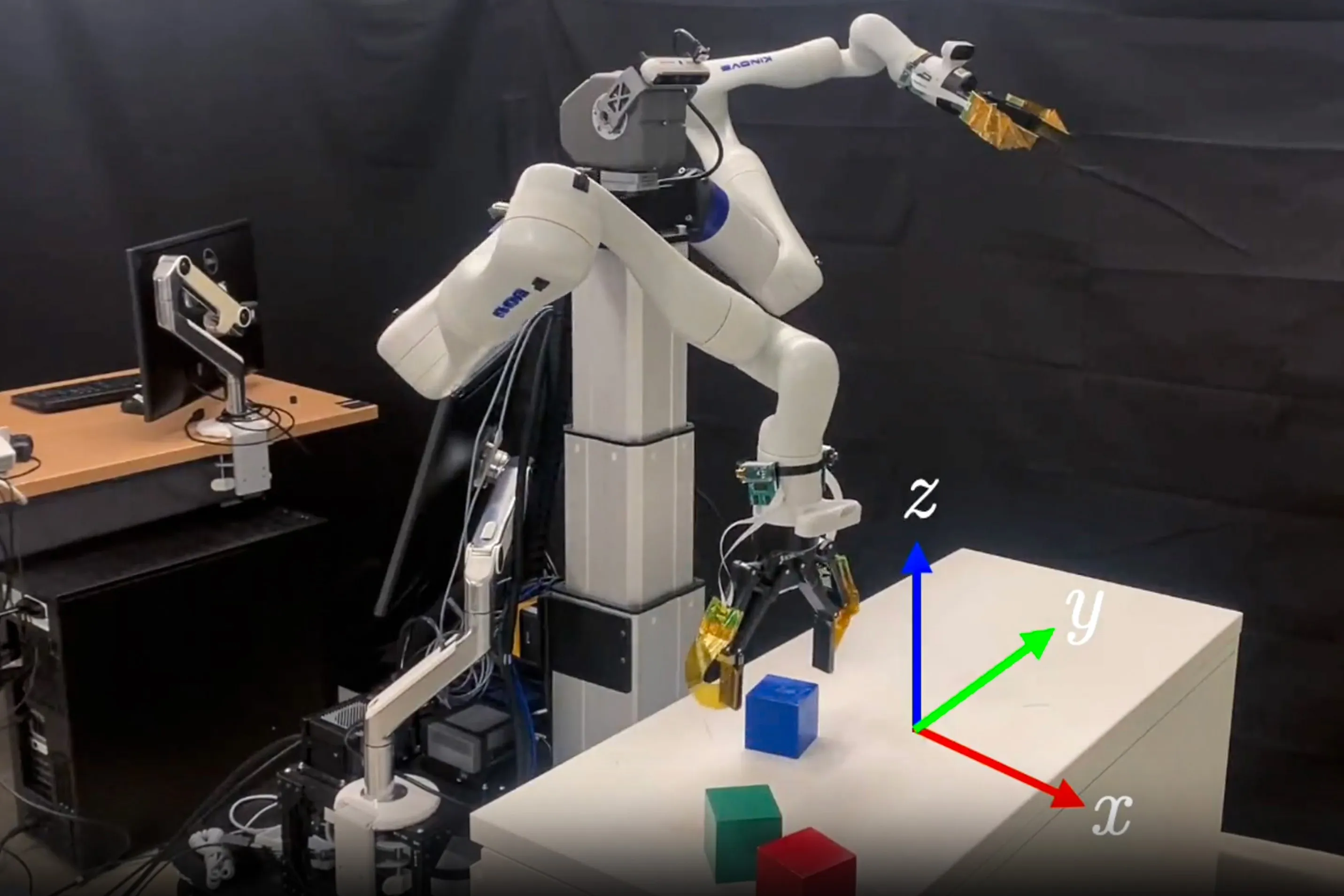
A major advantage of MT3 is its data-efficient and interpretable robot learning capability. By selecting the most relevant demonstration from its memory based on task requirements and environmental conditions, the system improves reliability while making robotic decisions easier to understand.
Unlike traditional behavioral cloning approaches that require thousands of examples, MT3 allows robots to generalize skills with minimal human input. This breakthrough could accelerate the development of general-purpose robots, intelligent manufacturing systems, and adaptable service robots.
Future improvements may enable robots to adjust their actions for completely unfamiliar objects and environments, bringing more flexible AI-powered robotic systems closer to real-world deployment.

