


Summary:Researchers in the UK have developed a hydrogel-based robotic skin that uses AI and electrical impedance tomography to simultaneously detect pressure, temperature, and multiple touch points, marking a significant step toward human-like tactile perception in robots.
A research team from the University of Cambridge and University College London has developed a new type of robotic skin capable of sensing pressure, temperature, and multiple points of contact simultaneously. Published in Science Robotics, the study introduces a flexible, conductive hydrogel system that enables robots to perceive their environment in a more human-like way while relying on a single sensing architecture.
Unlike conventional electronic skins that require large arrays of individual sensors, the new design uses a single layer of conductive hydrogel surrounded by 32 electrodes. The system employs Electrical Impedance Tomography (EIT), a technique that measures changes in electrical conductivity across the material. By creating hundreds of thousands of possible current pathways, the hydrogel forms a dense sensing network capable of detecting complex external stimuli.
When the hydrogel experiences changes such as touch, pressure, temperature, or humidity, its electrical properties shift. These variations are captured by the electrode network and analyzed using artificial intelligence algorithms. Through training, the AI learns to recognize distinct electrical patterns and associate them with specific types of stimuli, effectively functioning as a robotic tactile processing system.
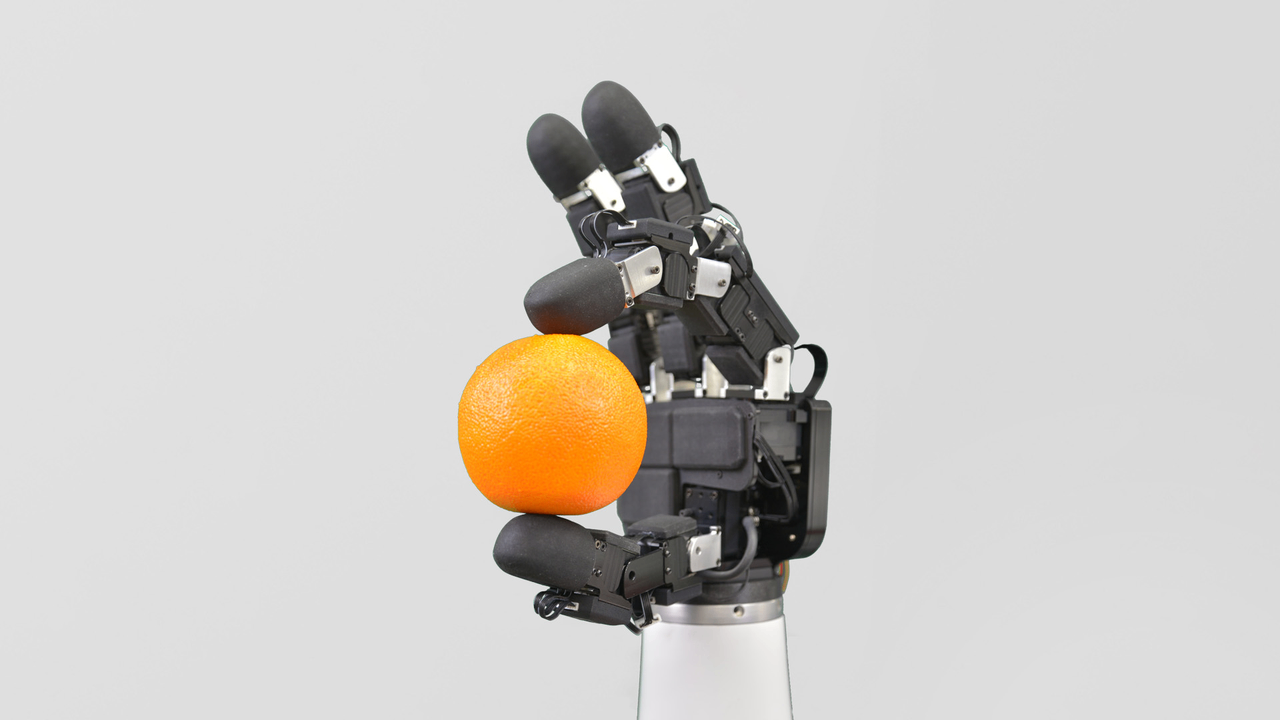
A key advantage of the technology is the hydrogel itself. The material is soft, highly conductive, and easily molded into complex three-dimensional shapes, including human-hand-like structures. Its flexibility and sensitivity make it a promising platform for next-generation artificial skin and advanced human-machine interaction.
The research demonstrates a simpler and more scalable approach to robotic touch sensing, combining smart materials with data-driven perception. However, several challenges remain. Hydrogels can dehydrate and crack over time, their performance may degrade under high temperatures, and current full-surface scanning speeds are not yet sufficient for demanding real-time applications.
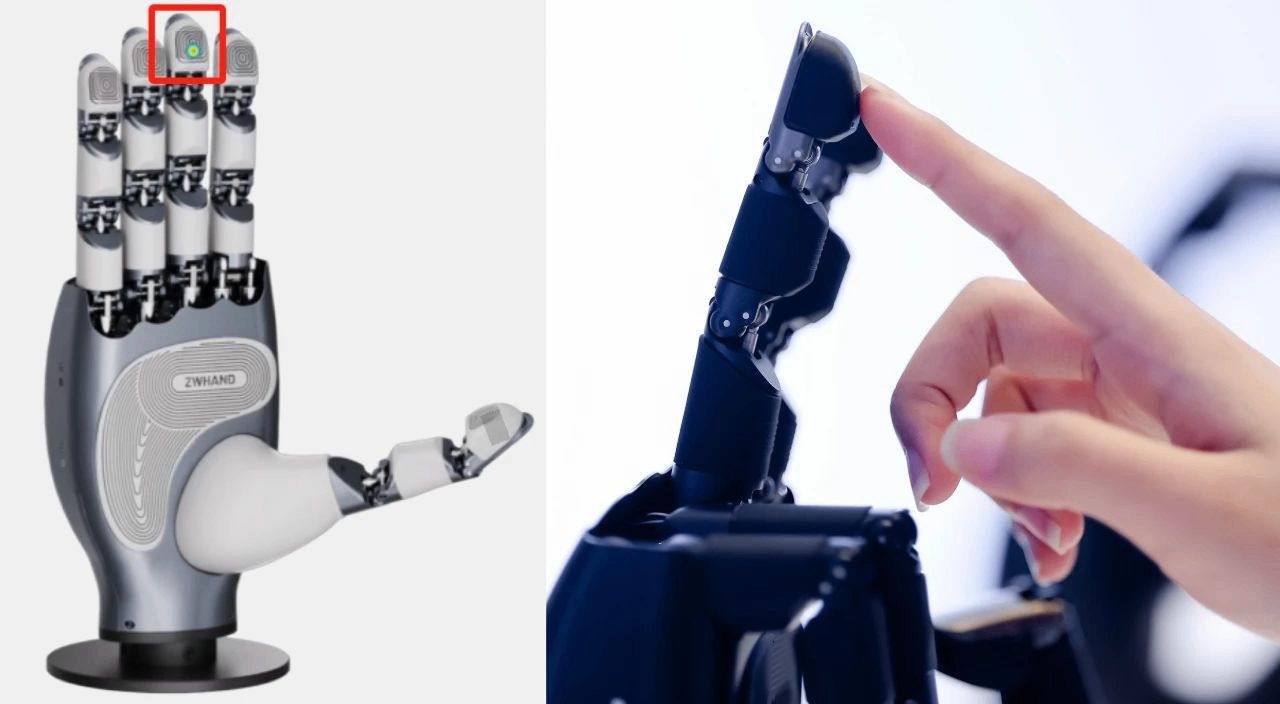
Future work will focus on developing more durable materials and optimizing sensing algorithms to improve response speed and long-term stability. As these challenges are addressed, artificial skin technologies could find applications in humanoid robotics, smart prosthetics, wearable devices, healthcare monitoring, industrial automation, and disaster-response systems. The breakthrough also highlights the growing convergence of flexible electronics, intelligent materials, and bio-inspired sensing technologies.

