


Abstract:Researchers have developed a neuromorphic robotic electronic skin (NRE-skin) that mimics human nervous system functions, enabling robots to sense touch intensity and perceive pain. This advanced skin allows for rapid reflex actions and self-repair, enhancing robot safety and intuitive interaction with their environment.
Researchers have developed a neuromorphic robotic electronic skin (NRE-skin) that replicates the functionality of the human nervous system, providing robots with advanced sensory capabilities and reflexive actions. Unlike traditional robotic skin, which simply detects pressure, NRE-skin can interpret varying intensities of touch and even perceive pain, enabling more intuitive and responsive interactions with the environment.
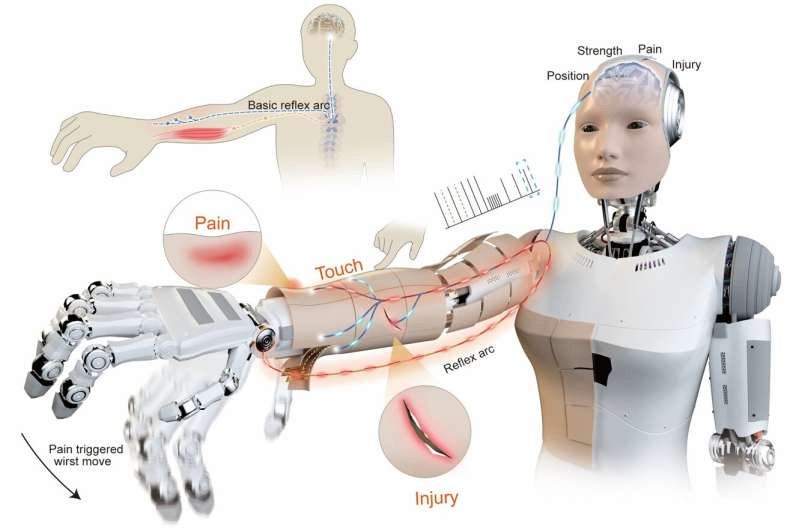
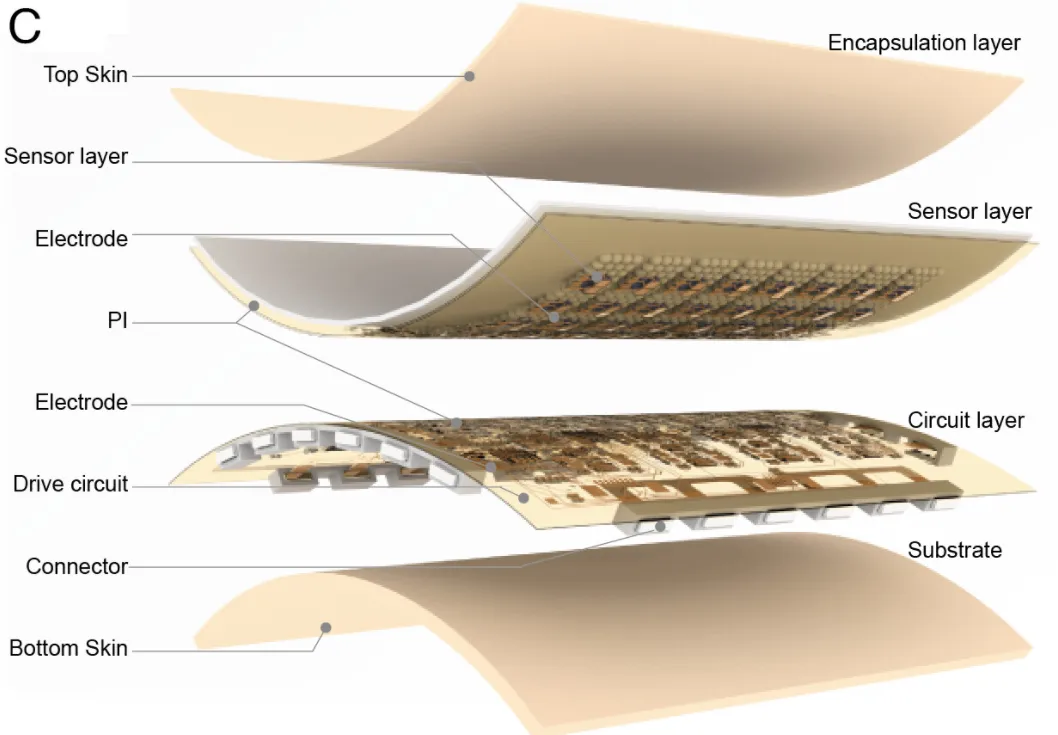
The electronic skin is composed of a four-layer structure. The outermost layer serves as a protective barrier, similar to human epidermis, while the underlying layers contain sensors and circuits that mimic the behavior of human nerves. Under normal conditions, the skin sends weak electrical pulses to the robot's central processing unit (CPU) at regular intervals to report that everything is functioning properly. However, when the skin is damaged or subjected to excessive pressure, the pulse is interrupted, alerting the robot to the injury's exact location.
For regular, light touches, the skin transmits "spike signals" to the CPU, which processes the touch information accordingly. When the pressure exceeds a preset threshold—simulating the experience of pain—the NRE-skin bypasses the CPU and directly sends a high-voltage spike signal to the robot's motor, triggering a rapid reflex action, such as retracting the robotic arm. This design ensures that the robot can respond to potentially harmful situations with minimal delay, reducing the risk of damage or injury.
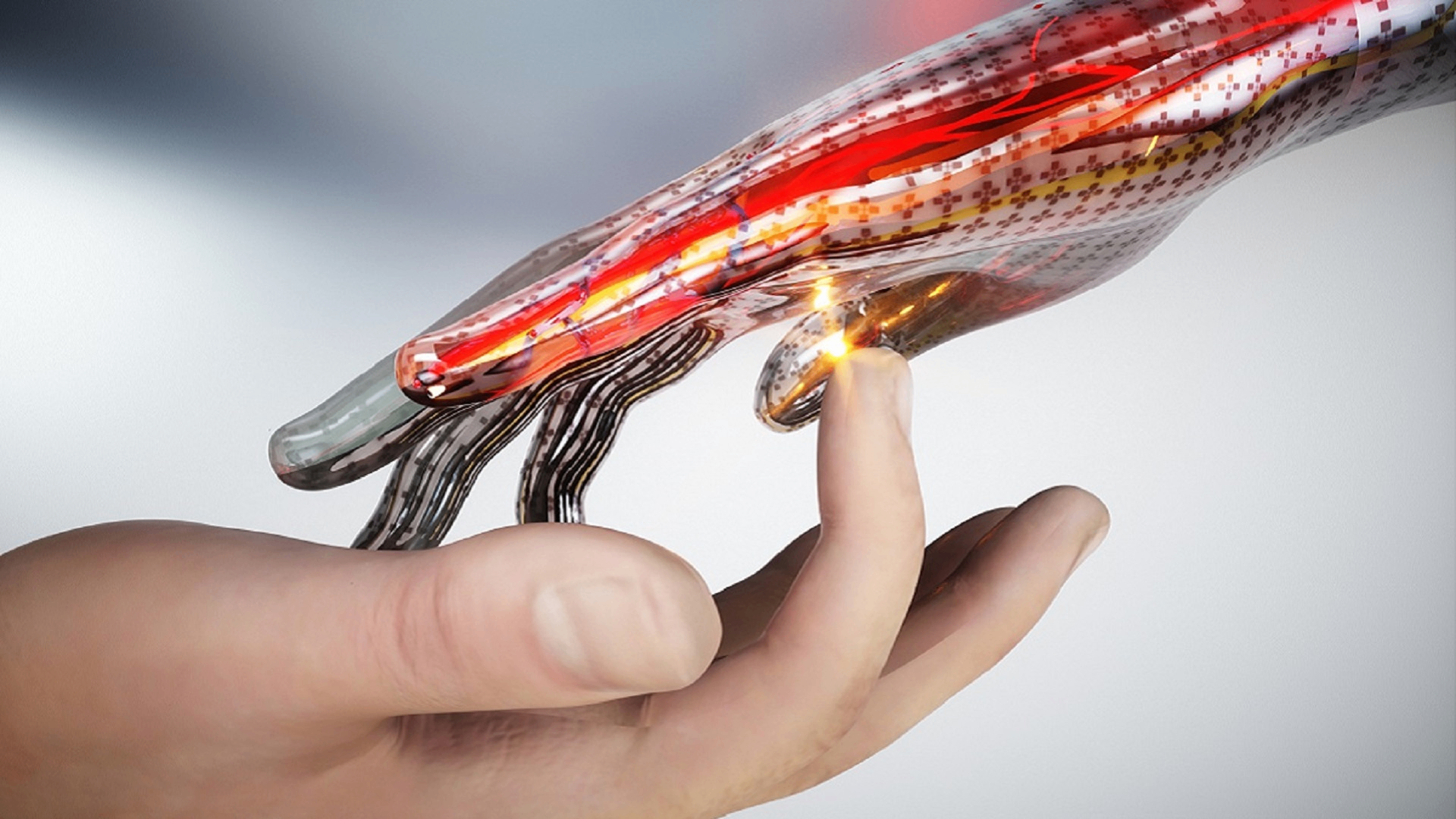
In addition to its sensory and reflex capabilities, the NRE-skin features a modular design with magnetic patches that allow for quick self-repair. Users can easily detach damaged patches and replace them with new ones, enabling fast repairs and reducing downtime. This modular approach improves the longevity and maintainability of the electronic skin, making it more practical for long-term use in various robotic applications.
Researchers are also working on improving the skin's sensitivity to allow it to detect multiple touch points simultaneously without signal interference. This enhancement would further refine the robot's ability to interact with its environment and improve its overall performance in complex tasks, particularly in human-robot interactions. The development of NRE-skin represents a significant step toward creating robots that can more naturally and safely interact with the world around them.

