


Summary:Stair-climbing robotic vacuums are poised to revolutionize home cleaning, bringing fully autonomous multi-floor cleaning closer than ever.
For years, stairs have been the biggest unsolved challenge for robotic vacuums. While modern robots can map rooms, avoid obstacles, and even mop floors, they have remained trapped on a single level—until now.
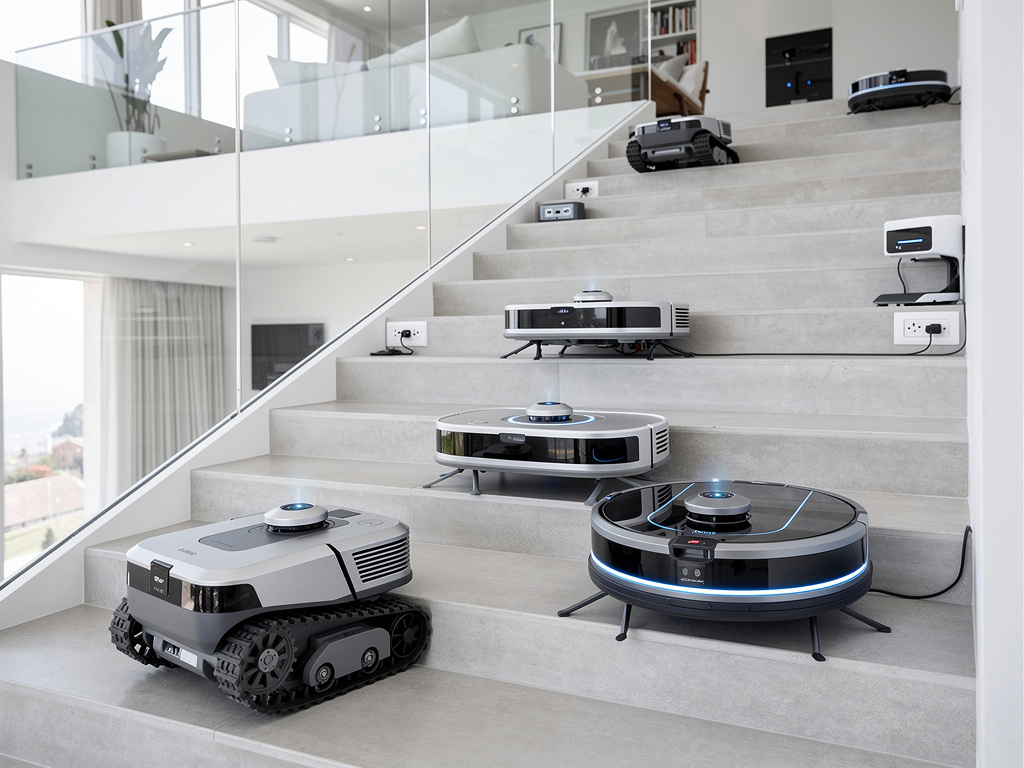
At CES 2026 and IFA 2025, several next-generation robotic vacuum prototypes showcased a major breakthrough: autonomous stair climbing. These innovations could redefine how smart homes handle cleaning across multi-story spaces.
Among the most talked-about products is the CyberX, featuring a biomimetic four-track system with retractable tracks that securely grip stairs for smooth climbing and descent. Another standout, MarsWalker, uses a modular architecture with omnidirectional wheels and advanced laser mapping to move between floors intelligently. Meanwhile, the Ascender—expected to enter mass production soon—can reportedly climb steps up to 8.7 inches high while maintaining powerful suction and precise navigation.
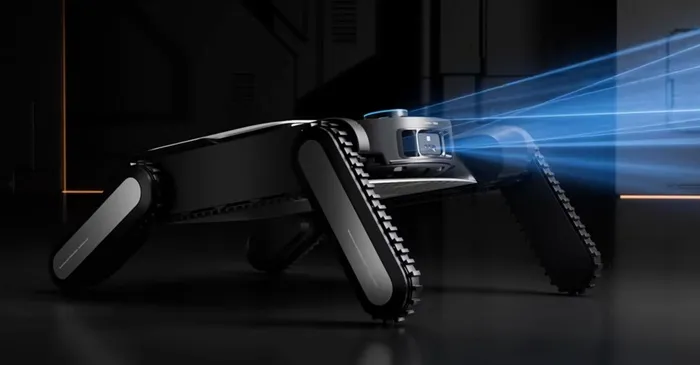
What makes these products different is the combination of advanced hardware and AI-driven software. Modern sensor systems integrate LiDAR, cameras, and upgraded cliff-detection technology to scan stair geometry in real time and calculate safe climbing paths. AI algorithms dynamically adjust speed, balance, and traction, while safety features such as automatic pause systems and track-locking mechanisms reduce the risk of falls.
These robotic vacuums are also evolving into complete home-cleaning platforms. Features including mopping, automatic dust collection, and app-based zone management are becoming standard, pushing the industry closer to fully integrated whole-home automation.
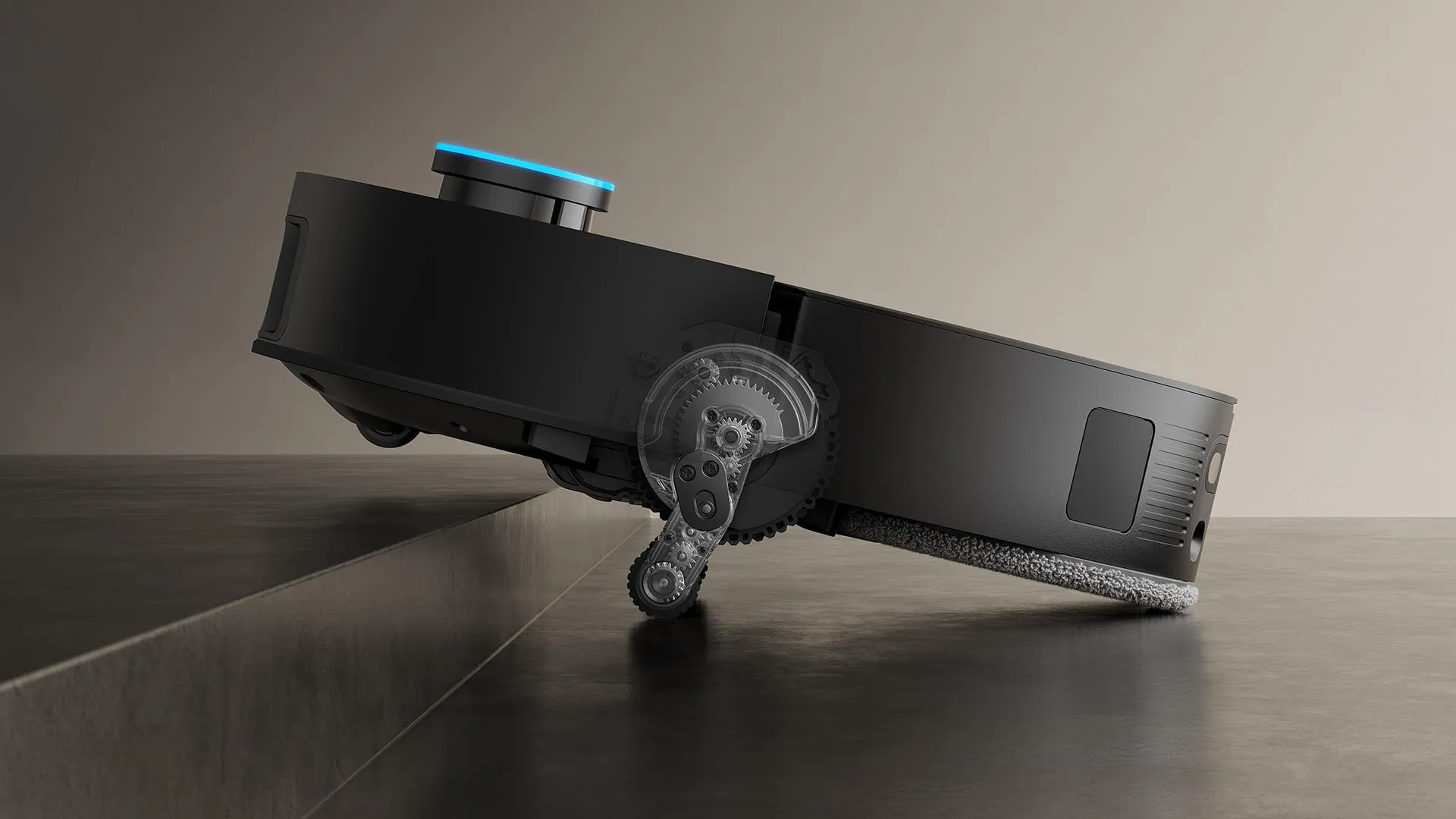
Although current stair-climbing models remain premium products—many priced above $1,000—industry analysts expect the technology to become mainstream in mid-to-high-end robotic vacuums by 2027.
The future of home robotics is no longer limited to flat floors. Stair-climbing technology may soon expand into wall cleaning, window washing, and broader smart-home ecosystems, transforming how people manage household chores and freeing up more time for daily life.

