


Automated Guided Vehicles (AGVs) have become increasingly widely used in recent years as an important tool for automated transportation and handling. Using AGVs can efficiently and cost-effectively meet customers' personalized and diverse needs, playing a crucial role in the internal logistics of smart warehousing and smart factories.
What issues should be considered before selecting an AGV?
Issues to consider before selecting an AGV
Before selecting an AGV, we need to have a detailed understanding of the on-site material conditions, mainly including the following points:
Material handling method;
Material size and weight/material cart size;
Positioning accuracy requirements;
Work cycle requirements;
Actual on-site working environment;
Understanding this information is crucial for making a specific AGV selection.
"Suitable" means meeting the requirements of the automated logistics system, the actual production process, and the usage scenario, and achieving the best cost-effectiveness for the AGV application.
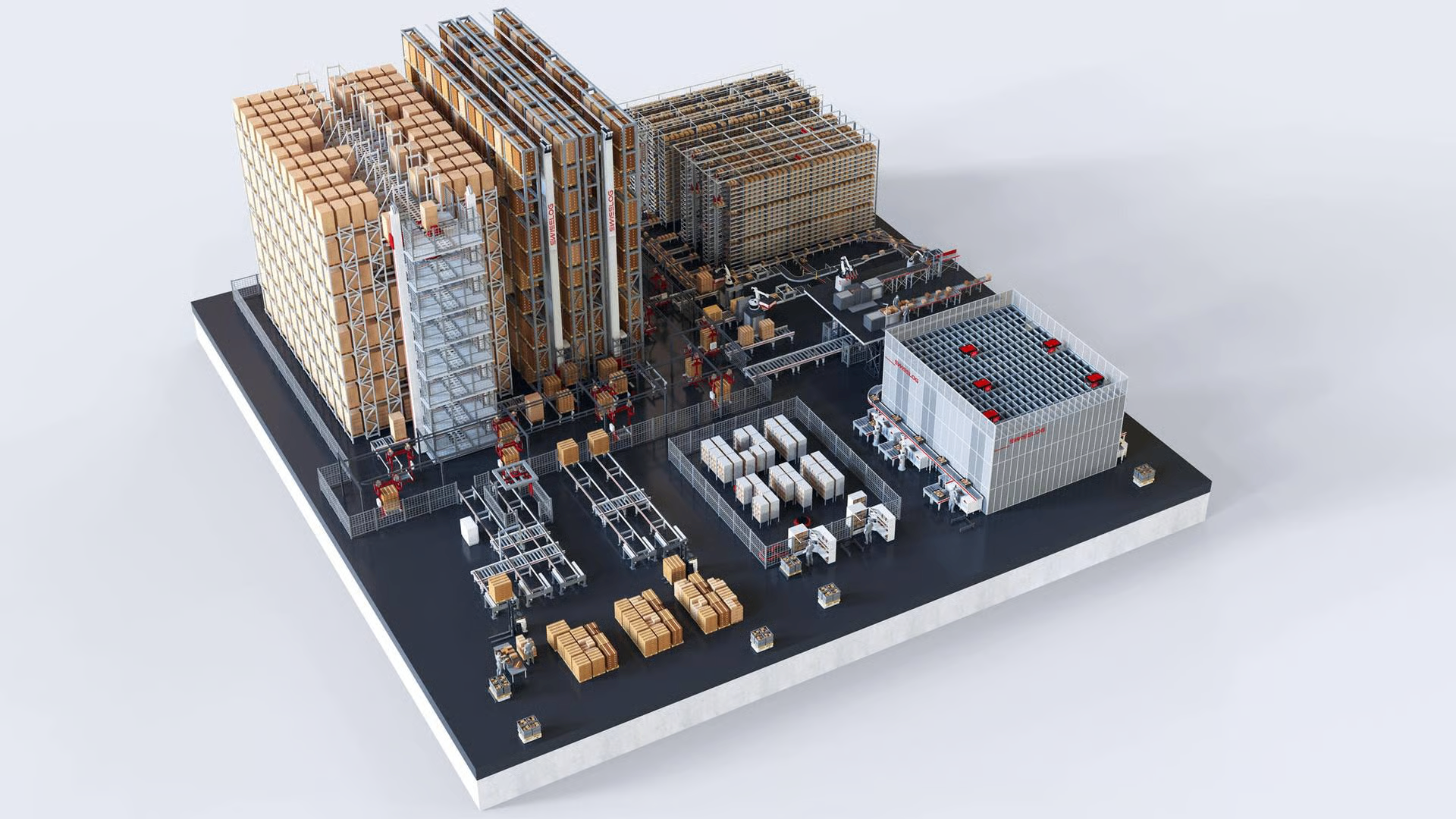
AGV selection requires a comprehensive evaluation of configuration and parameters.
The selection of AGVs mainly includes: the selection of basic parameters and performance indicators, the selection of navigation methods, and the selection of transfer methods, so as to achieve a relatively high cost performance while ensuring efficient completion of various automated handling tasks.
When selecting a model, refer to the following basic parameters and performance indicators of AGV.
- AGV drive type; - AGV weight (excluding battery); - Rated load capacity;
- Operating speed; - Turning radius; - Positioning accuracy; - Vehicle dimensions; - Control system;
- Battery type and charging method; - Continuous working time; - Alarm and emergency stop devices;
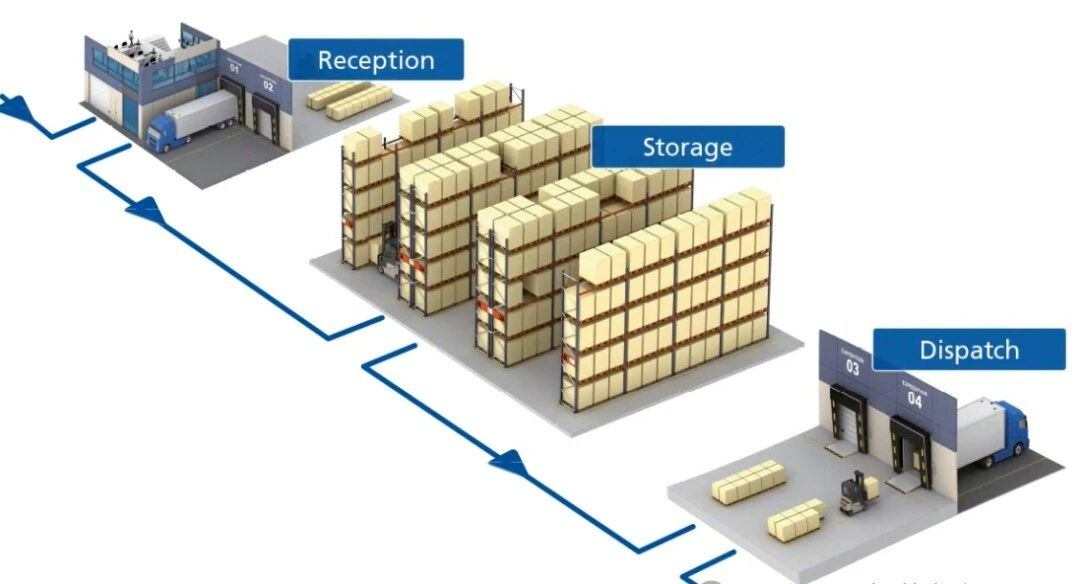
When selecting a model, an appropriate navigation method should also be considered.
Choosing the appropriate navigation method based on the AGV's operating environment is crucial.
Laser Navigation: An AGV-mounted laser navigation system consists of multiple lasers and receivers. The lasers emit pulsed laser light, and the receivers receive the reflected laser signals. The AGV's position is determined by calculating the light propagation time. Laser navigation is characterized by high precision and stability, achieving millimeter-level positioning accuracy.
Magnetic Navigation:An AGV-mounted magnetic navigation system navigates using magnetic strips buried in the ground or magnetic tape. The AGV is equipped with a magnetic sensor that detects changes in the ground's magnetic field, thus determining its own position. Magnetic navigation systems are low-cost and low-energy, suitable for applications where high positioning accuracy is not required.
QR Code Navigation:QR code navigation works by having the AGV scan QR codes laid on the ground using a camera. The current position information is obtained by parsing the QR code information.
Laser Reflective Navigation (Reflector Navigation): Precisely positioned reflectors are installed around the AGV's travel path, and a laser scanner is mounted on the AGV body. A laser scanner emits a laser beam as the AGV moves. This beam is reflected back by multiple sets of reflectors laid along the AGV's path, triggering the controller to record the angle at which the rotating laser head encounters the reflectors. The controller matches these angle values with the actual position of the reflectors to calculate the AGV's absolute coordinates, achieving highly precise laser guidance based on this principle.
Visual Navigation: The AGV's path is painted with paint or affixed with contrasting colored stripes. Image sensors installed on the AGV continuously capture images and compare them with stored images. Offset signals are output to the drive control system, which calculates and corrects the AGV's direction, achieving AGV navigation.
When selecting a model, choose a transplanting method suitable for product transportation.
Currently, there are five main types of AGV (Automated Guided Vehicle) transfer methods: forklift type, lurking type, towing type, carrying type, and roller type.
Forklift Type: Replaces traditional manual labor and forklift handling, suitable for material handling and loading/unloading in high-volume environments such as docks, warehouses, and factories, improving warehousing and handling efficiency.
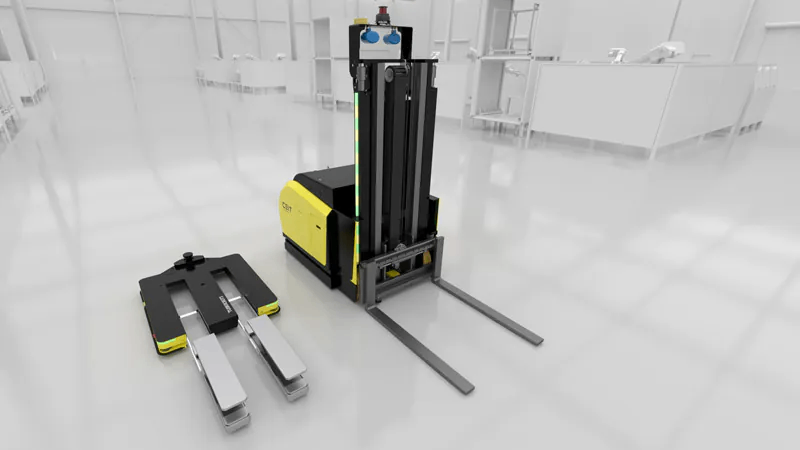
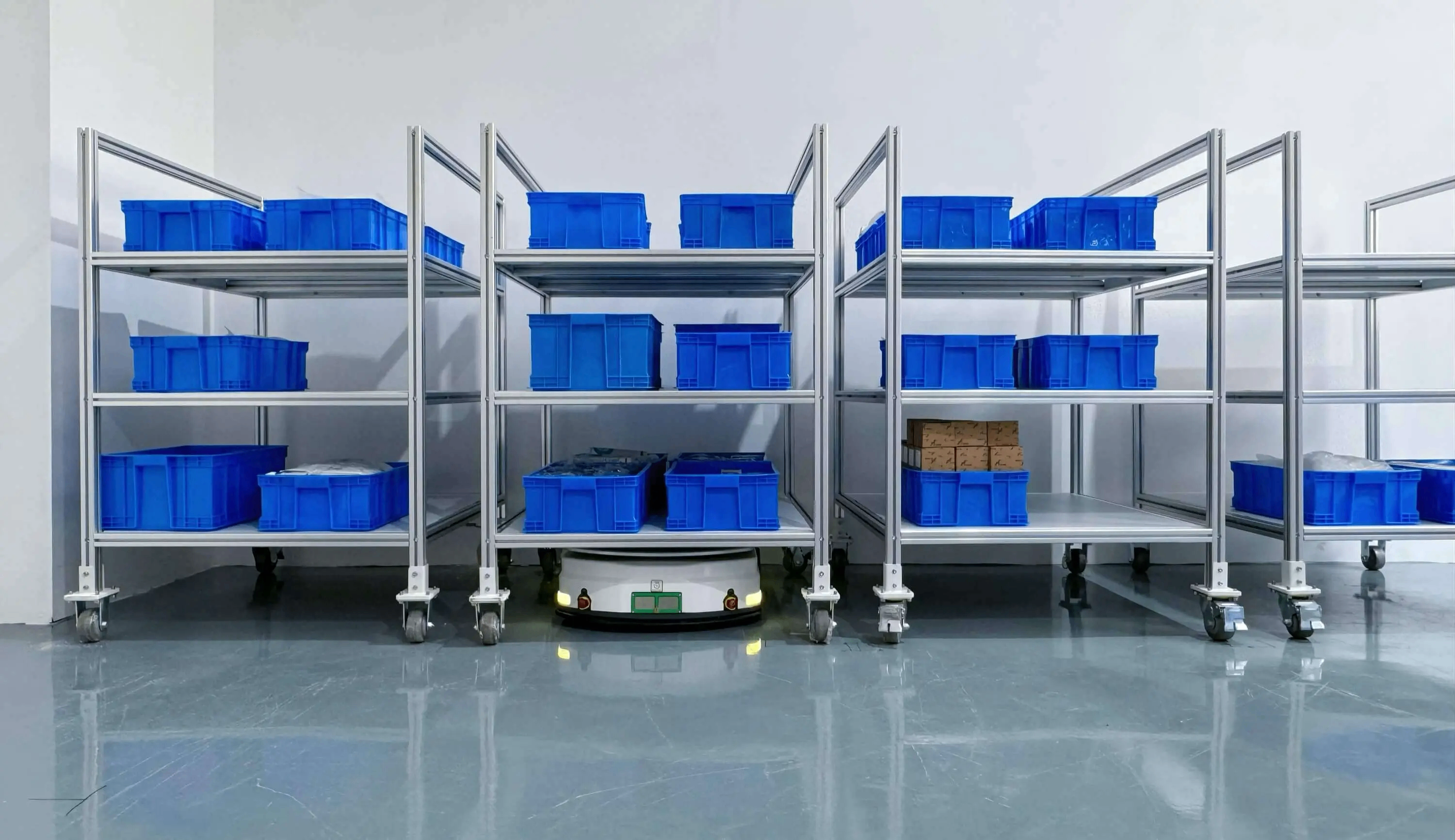
Hidden Type: Material carts can be replaced like train carriages, but require modification to the on-site material carts so that the hidden AGV can be submerged under them.
Towing Type: No modifications to the material carts are required; only a towing device needs to be added to the AGV. Suitable for situations where materials are transported using trailers and trolleys, such as chemical transport and waste collection.
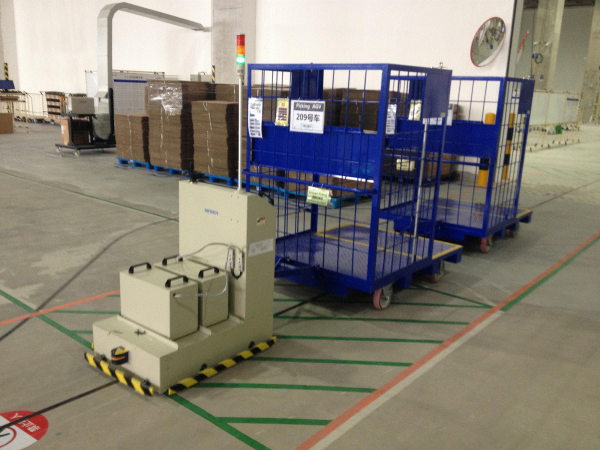
Backpack Type: Materials or material boxes can be placed directly on the AGV, transporting materials to multiple stations. Suitable for production systems with frequent transportation and long material supply cycles.
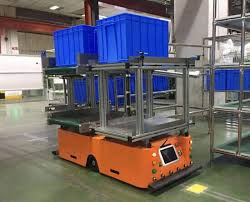
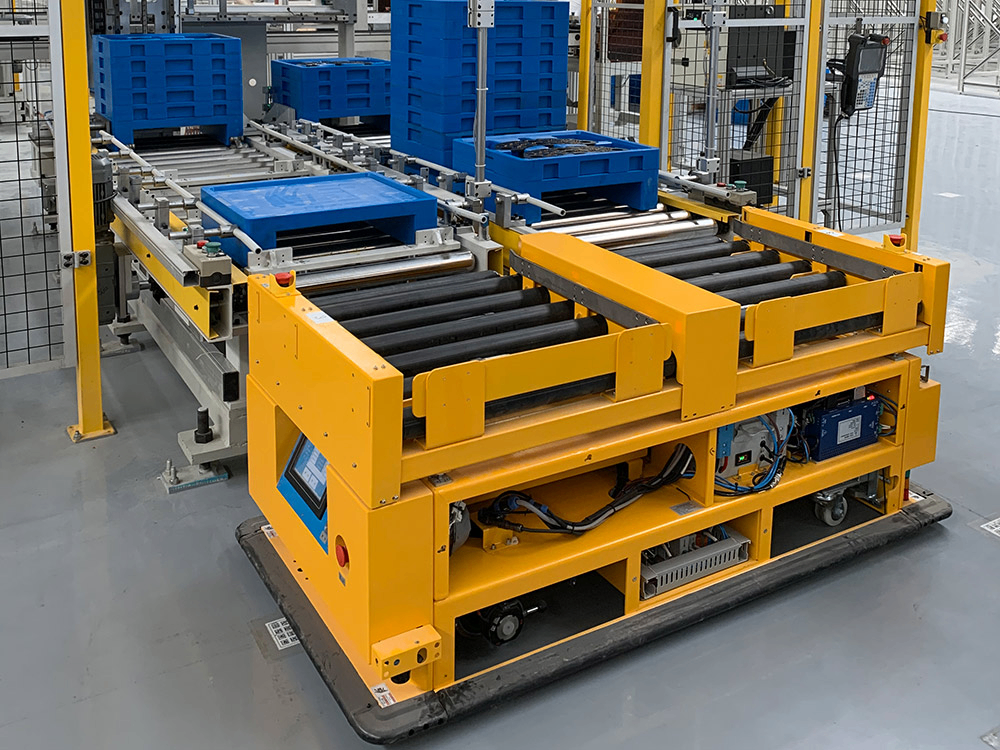
Roller Type: Only a connecting platform is needed at the loading and unloading stations for automated loading and unloading. Roller AGVs are used for material handling in factory workshops. They can also be used as mobile assembly tables or processing tables for automated material turnover.
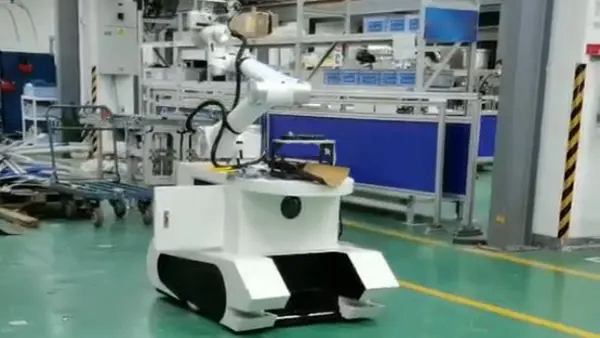
Robotic arm gripping type: This type uses a robotic arm to grip materials, enabling material handling, stacking, and transportation. It can be used as an assembly platform or in intelligent production line robots.
Issues to consider when customizing AGVs
AGV intelligent control vehicle safety device
The selection of AGV (Automated Guided Vehicle) carts typically needs to be customized based on the customer's actual application scenario to meet production and expansion requirements. A corresponding analysis of the application scenario is also necessary:
Transportation Environment: The material transportation environment has a significant impact on AGV selection. Whether indoors or outdoors, in high temperature and humidity, refrigerated or darkroom conditions, different transportation environments place vastly different requirements on AGVs.
Material Characteristics: The appropriate AGV should be selected based on the length, width, height, and weight of the transported materials, whether they are boxed or loose, their temperature, and odor.
Interface: An interface is required between the transported goods and the docking equipment at the destination. The positioning, identification, recording, marking, and display of this interface all require a corresponding AGV cart. Selecting suitable automation equipment is crucial for successfully completing the task.
Travel Path: Optimizing the AGV cart path reduces traffic congestion. Good path planning not only reduces the risk of road congestion for multiple AGV carts but also makes the logistics system smoother and improves handling efficiency.
In addition, if AGVs are used in smart manufacturing scenarios, it is also necessary to consider that smart manufacturing is an integration of hardware and software. Typically, AGVs need to be combined with MES and WMS systems. With the help of the MES information management platform, material handling tasks can be completed efficiently, accurately, and flexibly, improving production flexibility and warehouse intelligence.
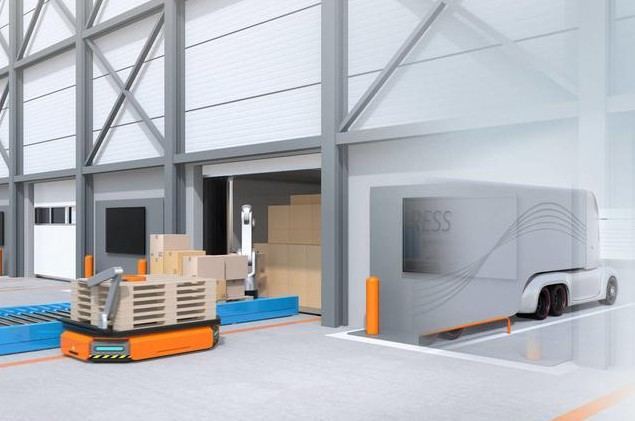
In recent years, with the rapid development of intelligent manufacturing, more and more production and manufacturing enterprises have accelerated their upgrading and transformation. Flexible and automated production lines and warehousing and logistics systems have become increasingly popular among companies. AGVs are one of the key pieces of equipment in flexible production lines and intelligent warehousing and logistics systems, characterized by high automation, sensitivity, and safety.
AGVs have been widely used in the production and manufacturing industries, and the advantages and benefits they bring to users are evident. In practical applications, because companies vary in type, product characteristics, and production processes, the use of AGVs must be adapted to these differences to maximize their effectiveness.

