


Abstract:NVIDIA introduced its new Vera Rubin AI chip architecture at CES 2026, promising significant performance improvements, cost efficiency, and advanced security features. The platform is set to revolutionize AI computing, with major cloud providers like Microsoft already preparing for deployment later this year.
Las Vegas, January 5, 2026 — At the Consumer Electronics Show (CES) in Las Vegas, NVIDIA unveiled its new AI chip architecture, "Vera Rubin," signaling a major step forward in artificial intelligence computing. The platform is now in production and will be delivered to customers in the second half of the year. This release, ahead of the company’s GPU Technology Conference (GTC), highlights NVIDIA's strategy to reinforce its dominance in AI technologies.
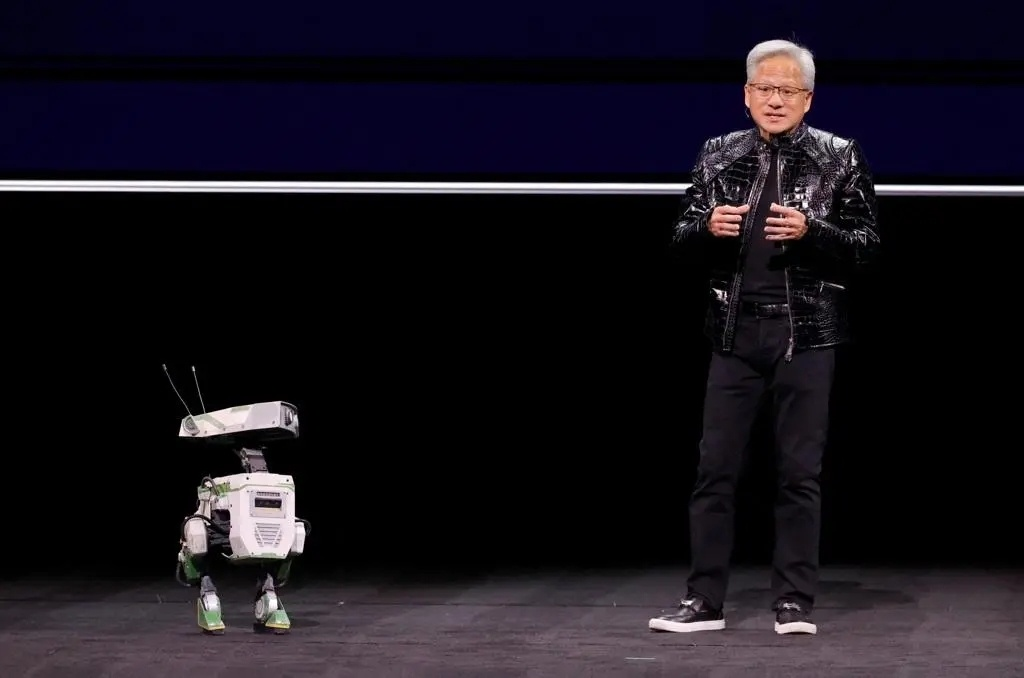
The Vera Rubin architecture, named after astronomer Vera Rubin, integrates six independent chips, including the Rubin GPU and the new Vera CPU. These components are designed to address critical bottlenecks in AI processing, particularly memory movement and communication efficiency. The Vera CPU is built with 88 custom cores and supports the Armv9.2 architecture, offering double the performance of competing products.
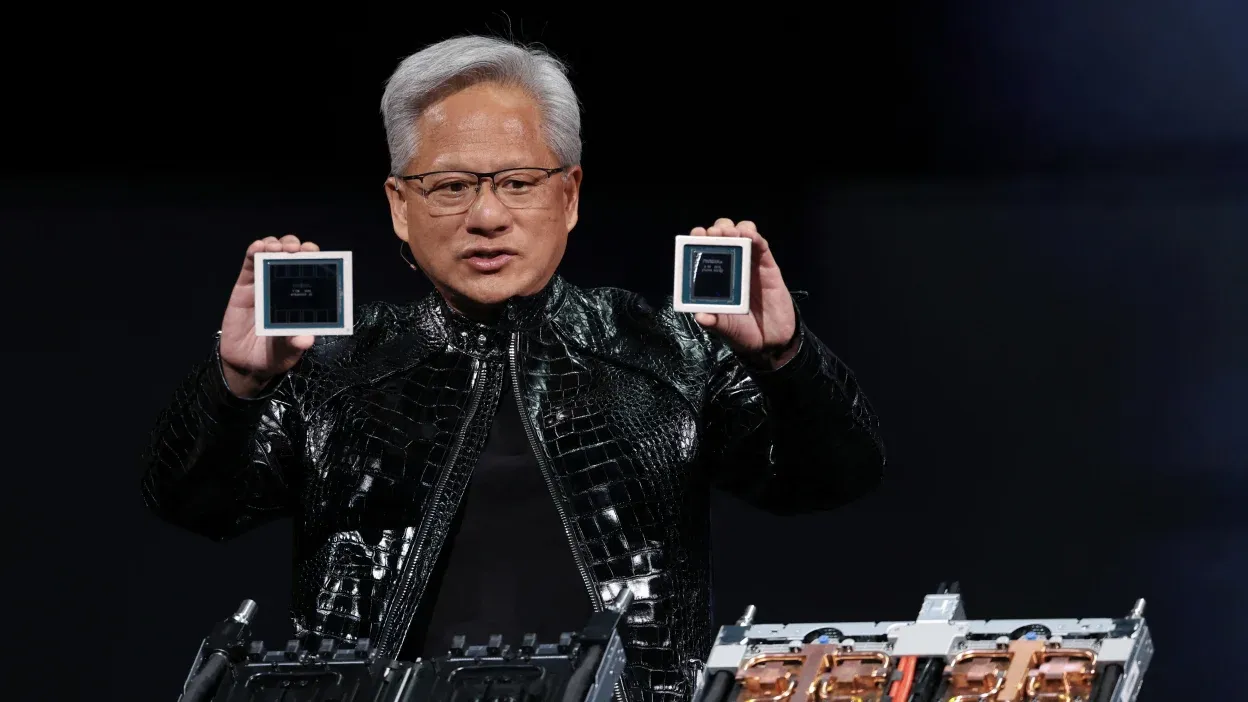
According to NVIDIA, the Vera Rubin platform achieves significant improvements over its predecessor. AI model training speed has increased by 3.5 times, while AI software efficiency has improved fivefold. Additionally, the new architecture can reduce inference token generation costs by up to ten times and cut the number of GPUs needed for hybrid models by four.
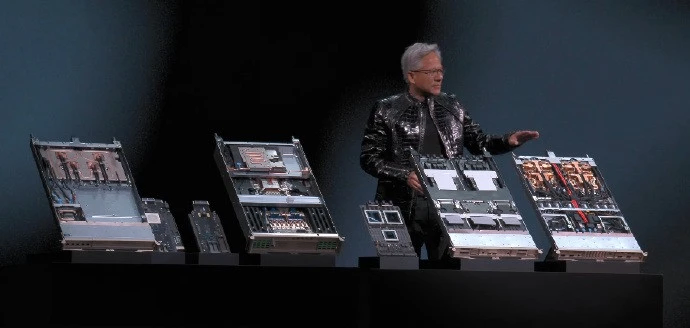
The platform also boasts advanced security and connectivity features. It integrates third-generation confidential computing technology and a sixth-generation NVLink interconnect, ensuring secure, high-speed data exchange across the system. With a 260TB/s bandwidth, the platform provides low-latency connections, reducing network congestion and supporting large-scale AI workflows.
In terms of cost efficiency, NVIDIA highlighted that Vera Rubin can deliver comparable performance to its previous generation using fewer components, resulting in lower operational costs. Microsoft and other large cloud providers are expected to be the first customers to adopt the new hardware, which will be available in both modular and liquid-cooled configurations.
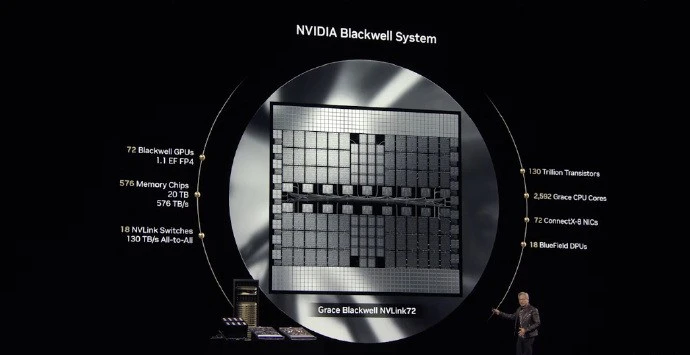
This launch comes amid rising concerns about the AI market's sustainability, with increasing competition from companies like AMD and Google. However, NVIDIA CEO Jensen Huang reassured the market by emphasizing the platform’s technological advancements and its ability to meet the growing demand for AI computing power.
The Vera Rubin platform is expected to play a key role in advancing global AI infrastructure, with industry analysts forecasting significant capital investment in AI technologies over the next few years.

