


Summary:The ACS37200 current sensor reduces power loss by up to 90% while enabling smaller, higher-density designs for electric vehicles and industrial power systems.
As electric vehicles and industrial power systems continue demanding higher efficiency and greater power density, current sensing technology is becoming an increasingly important part of next-generation power electronics. A newly launched current-isolated sensor, the ACS37200, is designed to address one of the industry’s persistent engineering challenges: excessive heat generation and energy loss caused by traditional shunt resistors in high-current applications.
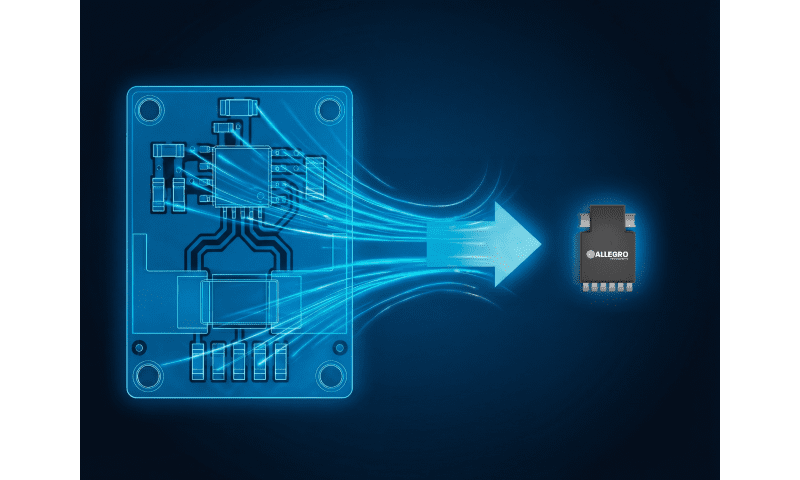
The ACS37200 uses an ultra-low 50-microohm conductor resistance, significantly reducing thermal losses in high-current systems. According to the company, in a 100A application, the sensor can lower power dissipation by up to 90% compared with a conventional 0.5-milliohm shunt resistor. While a standard shunt may generate around 5 watts of heat, the ACS37200 keeps losses below 0.5 watts. This reduction improves overall system efficiency while minimizing the need for large thermal-management components.
The compact sensor is packaged in a 100mm² PSOF form factor, which the company says is 70% smaller than its previous-generation package and requires up to 95% less board space than discrete shunt-resistor solutions. The smaller footprint allows engineers to optimize layout design and improve overall power density in EV traction inverters, battery management systems, and industrial automation equipment.
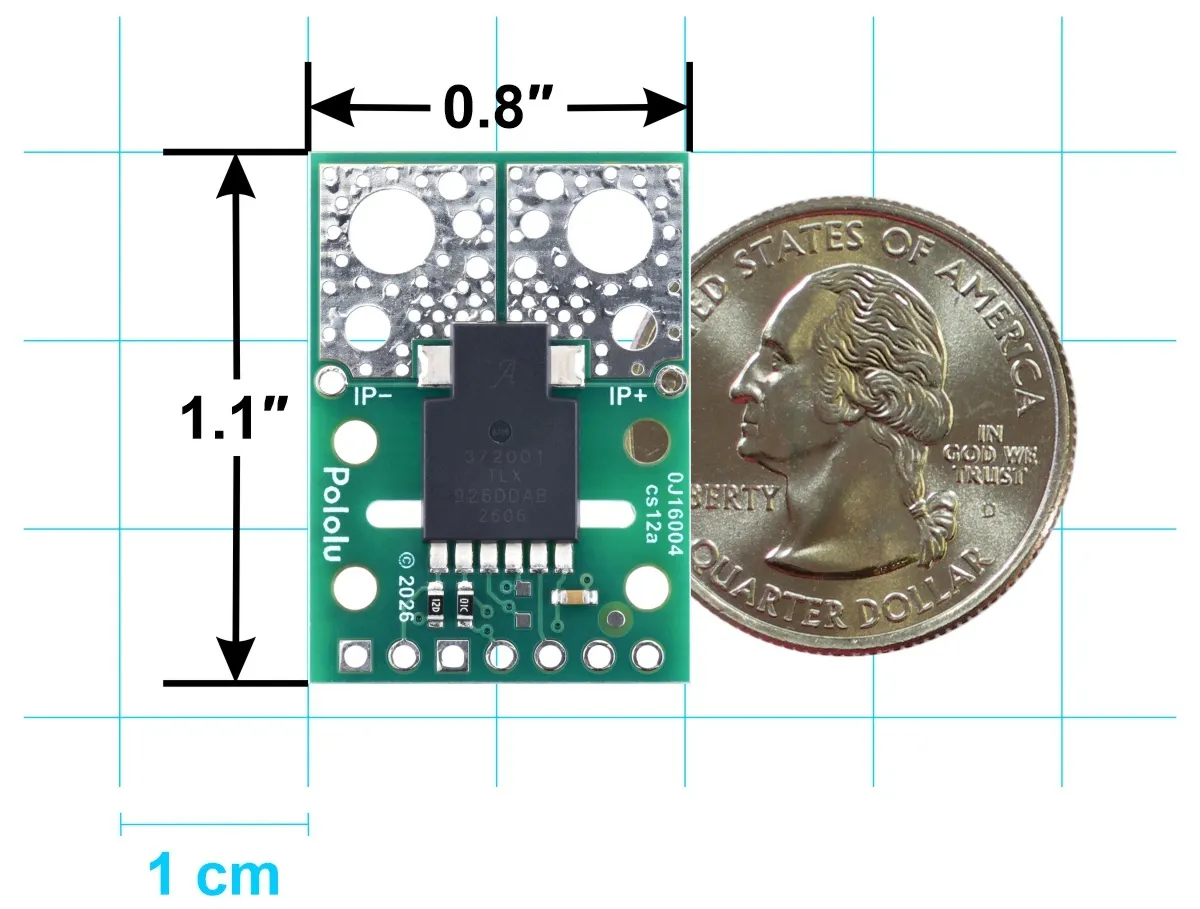
The ACS37200 also integrates certified 1000V RMS isolation into a single surface-mount device, simplifying high-voltage system design. Because the sensor is factory calibrated, it can directly replace multiple discrete components, including shunt resistors and isolation amplifiers, helping reduce bill-of-material complexity and streamline supply-chain management.
As EV architectures move toward higher voltages and more compact power electronics, technologies that reduce heat, shrink system size, and improve efficiency are becoming increasingly valuable. Products like the ACS37200 highlight how component-level innovation is playing a growing role in the evolution of electric mobility, industrial automation, and clean-energy infrastructure.

