


Abstract:At CES 2026, AMD unveiled its groundbreaking Helios AI platform, powered by the 2nm Venice EPYC processor and MI455X GPU accelerator, offering up to 40 PFlops of performance. This advanced liquid-cooled system integrates AMD’s Pensando DPU and NIC, achieving massive performance improvements over previous generations. The Helios platform, already in production, is set to revolutionize AI and data center computing, with NVIDIA's Vera Rubin also launching this year.
January 12th news: In 2026, neither AMD nor Intel will release new desktop processors, and the mobile market will only have Intel Panther Lake (Core Ultra 300 series). However, AMD will deliver major new products in the data center and AI markets!
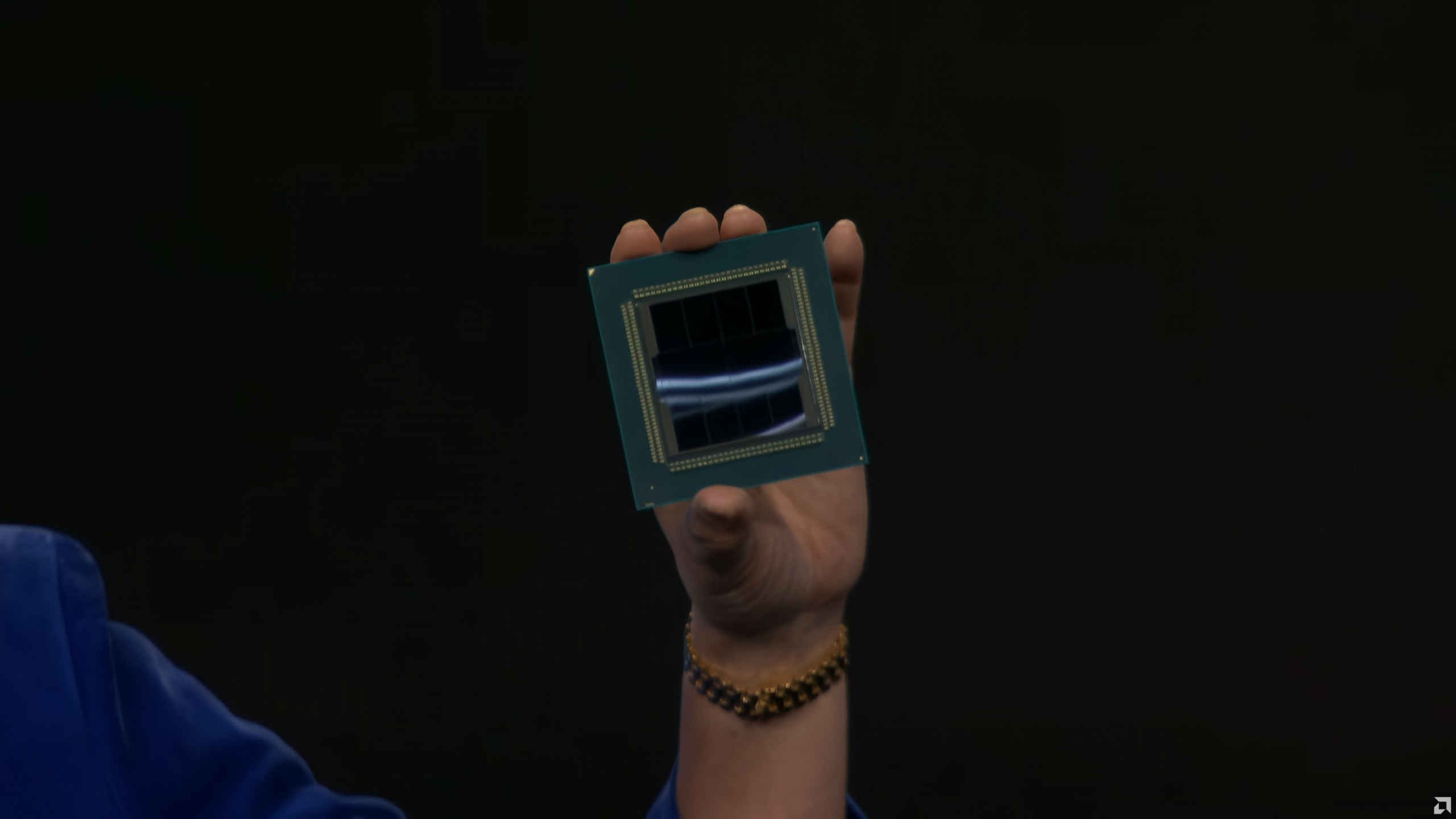
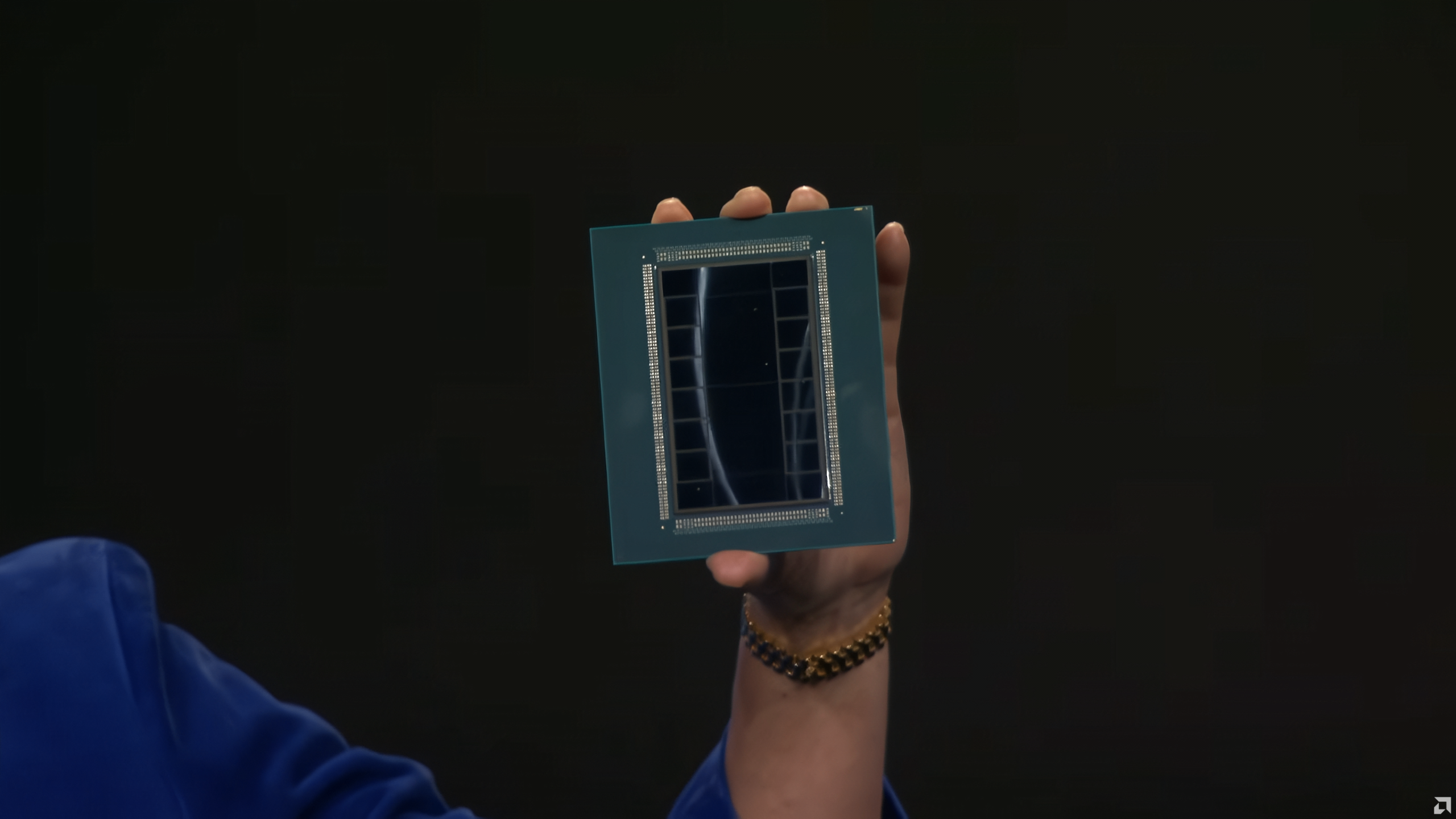
At CES 2026, AMD CEO Dr. Lisa Su personally showcased the world's first chip using TSMC's advanced 2nm process (with some modules at 3nm), and two at once: the next-generation Zen6 EPYC processor (codename Venice) and the next-generation Instinct MI455X GPU accelerator.
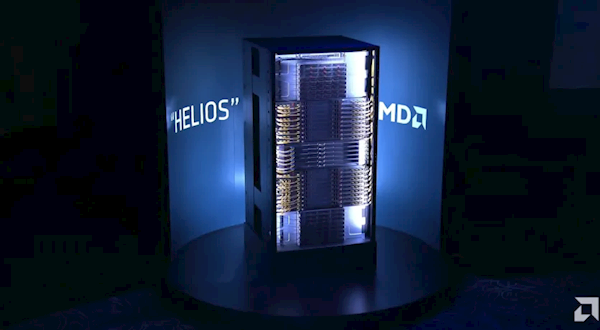
Based on these two advanced chips, AMD has created the new Helios AI cabinet.
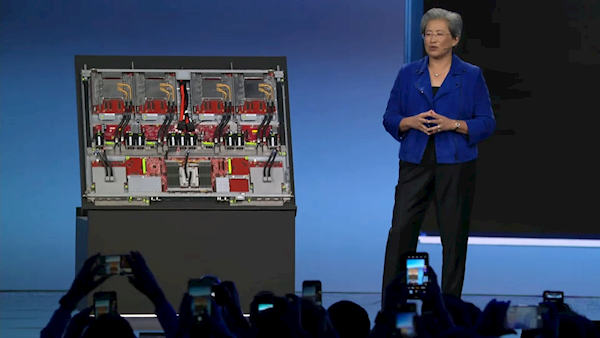 |  |
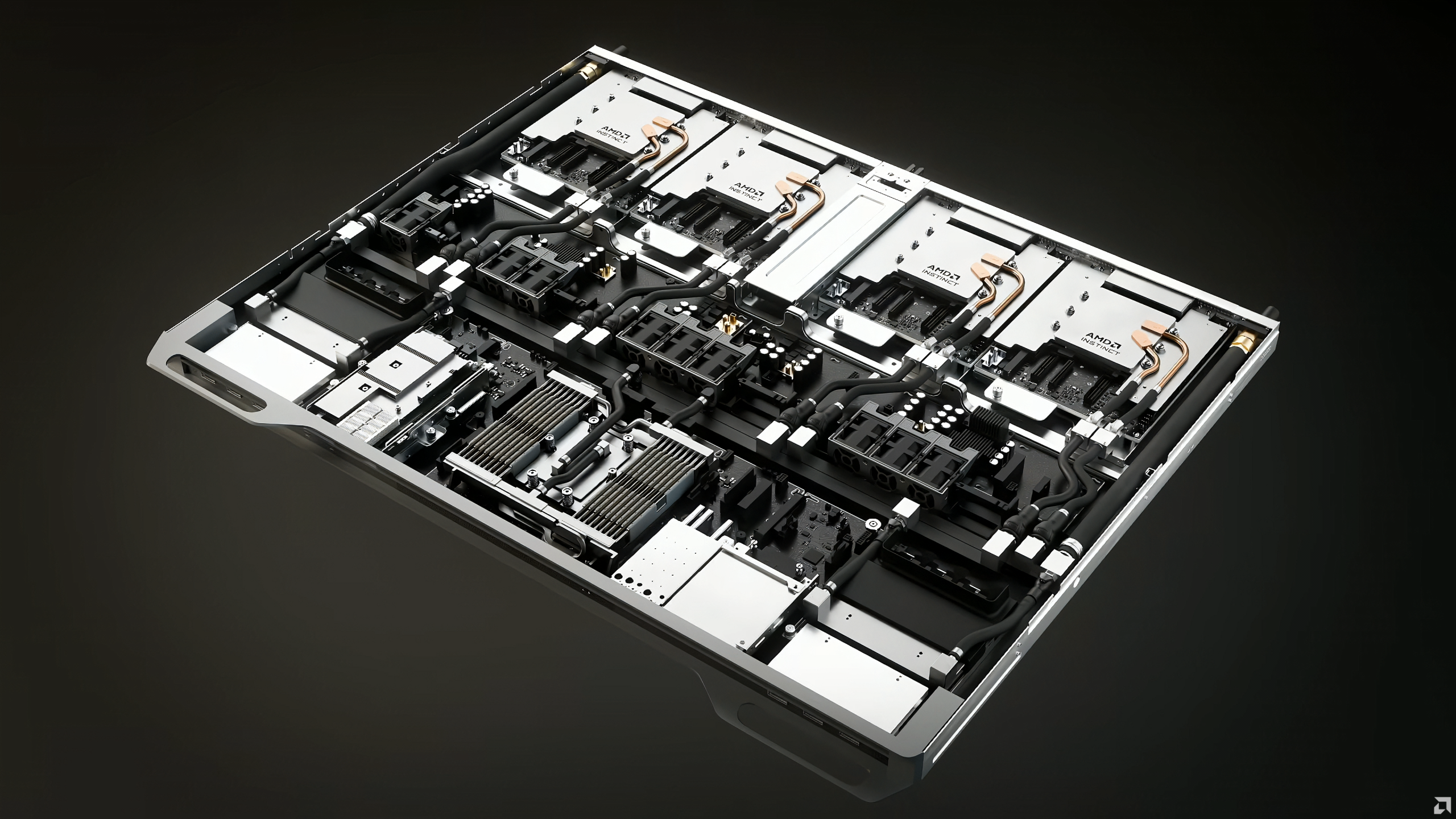
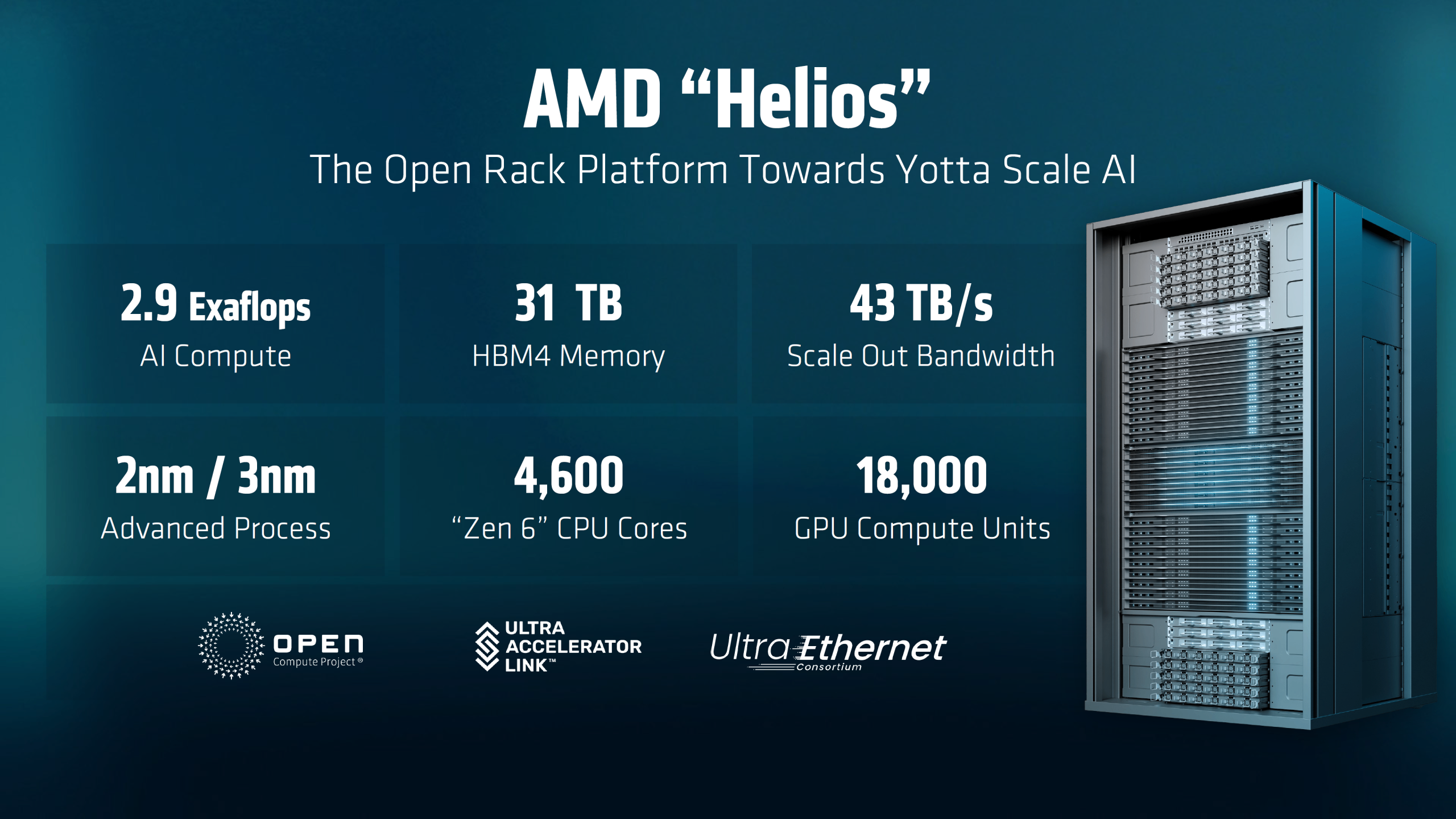
Helios employs a fully liquid-cooled design, with each node containing one Venice EPYC and four MI455X cores, along with AMD's own Pensando 400 DPU (codenamed Salina) and Pensando 800 NIC (codenamed Vulcano).
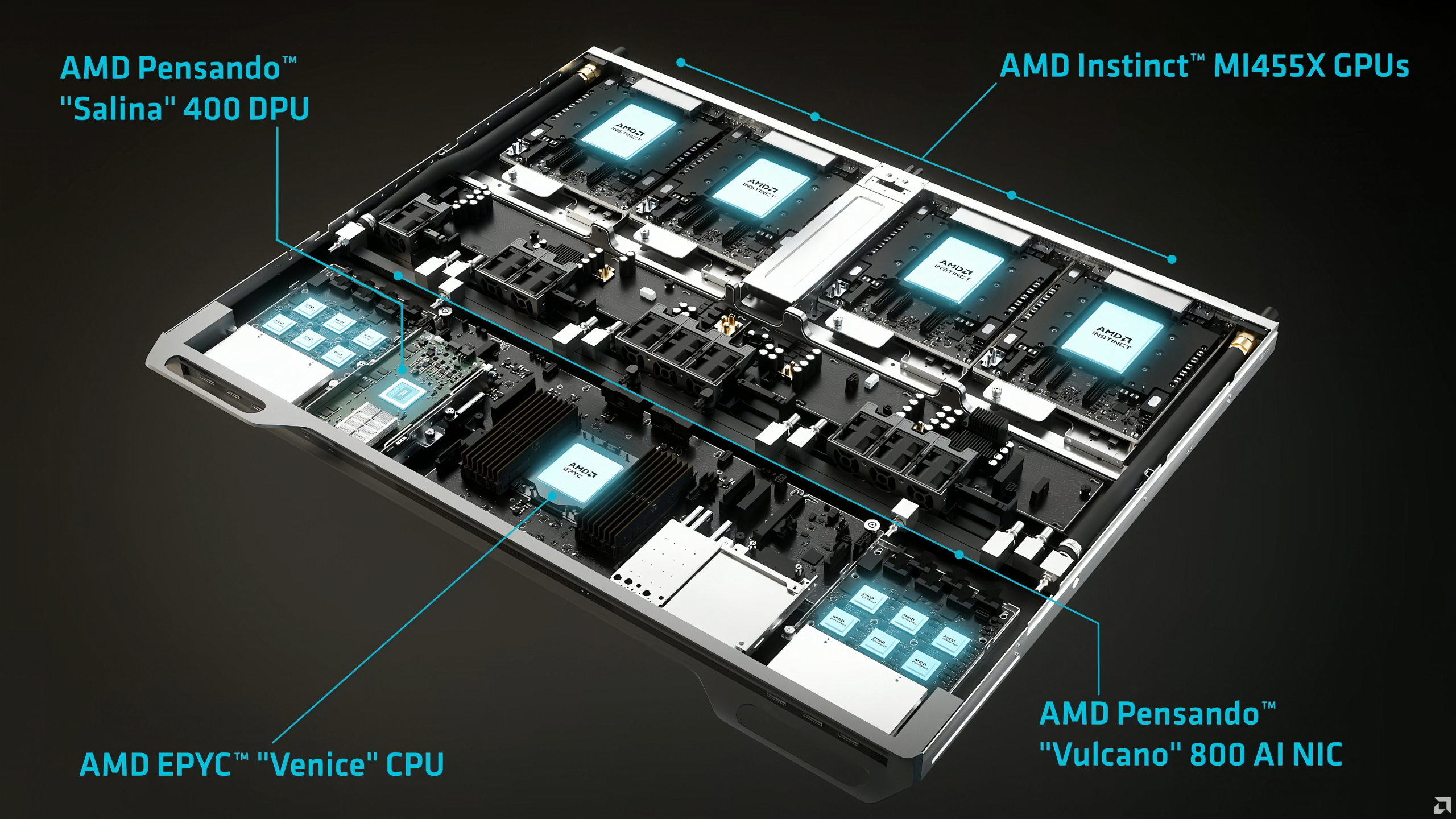
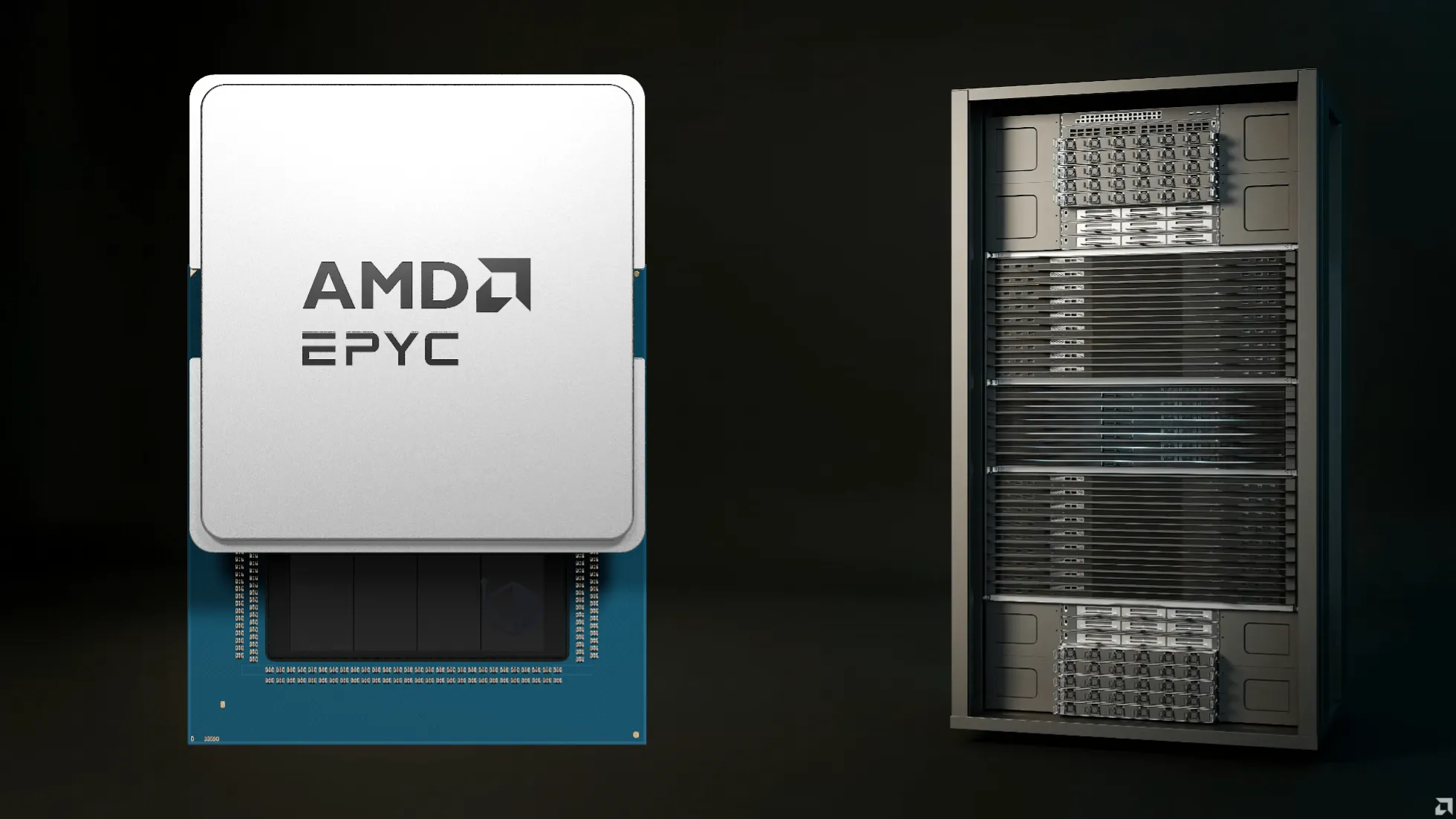
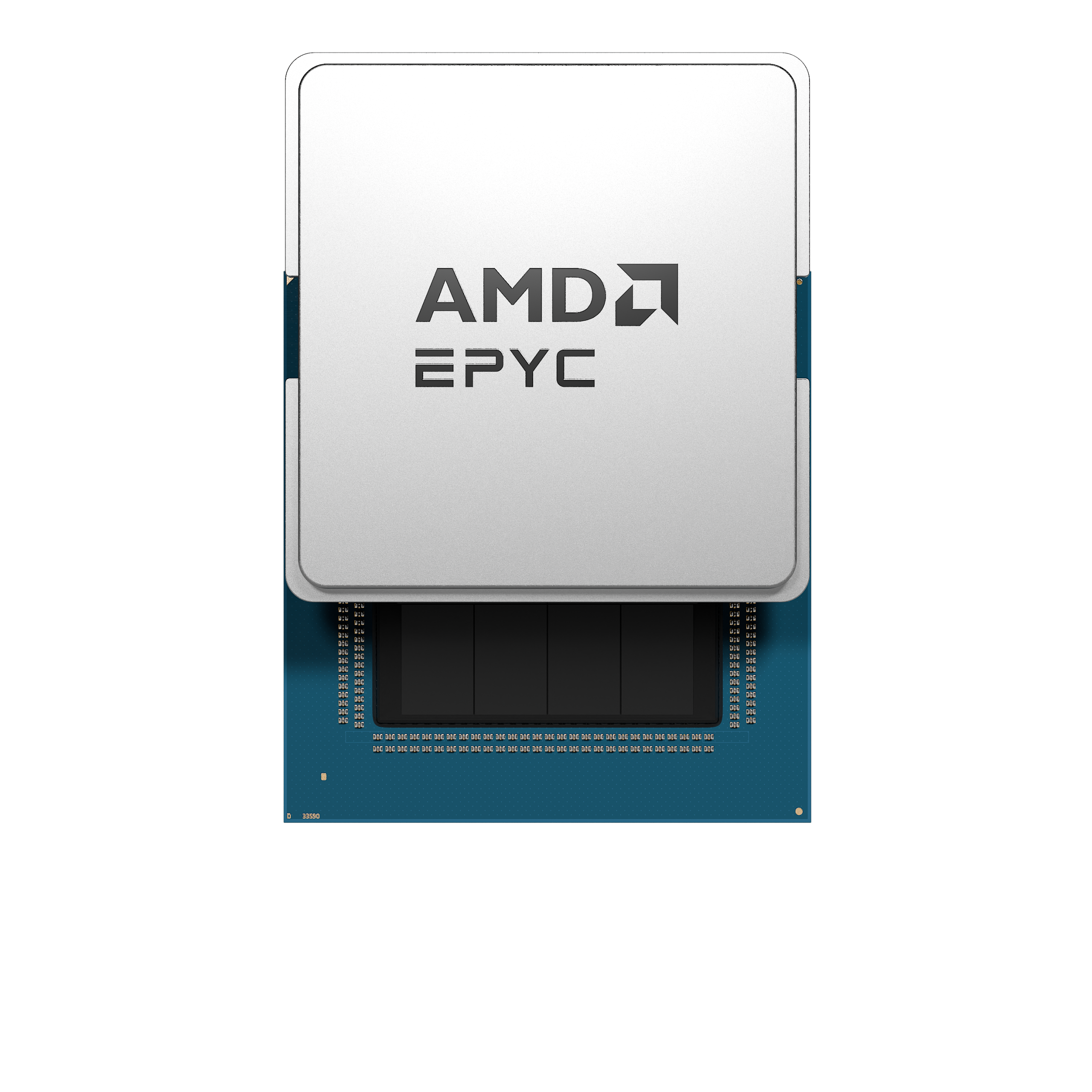
Each Venice EPYC has up to 256 cores (Zen 6c version), distributed across eight CCDs and two IODs, boasting a performance increase of over 70% and a 30% increase in core density.
The Zen 6 version has up to 192 cores, distributed across 16 CCDs with 12 cores each, plus 768MB of L3 cache.
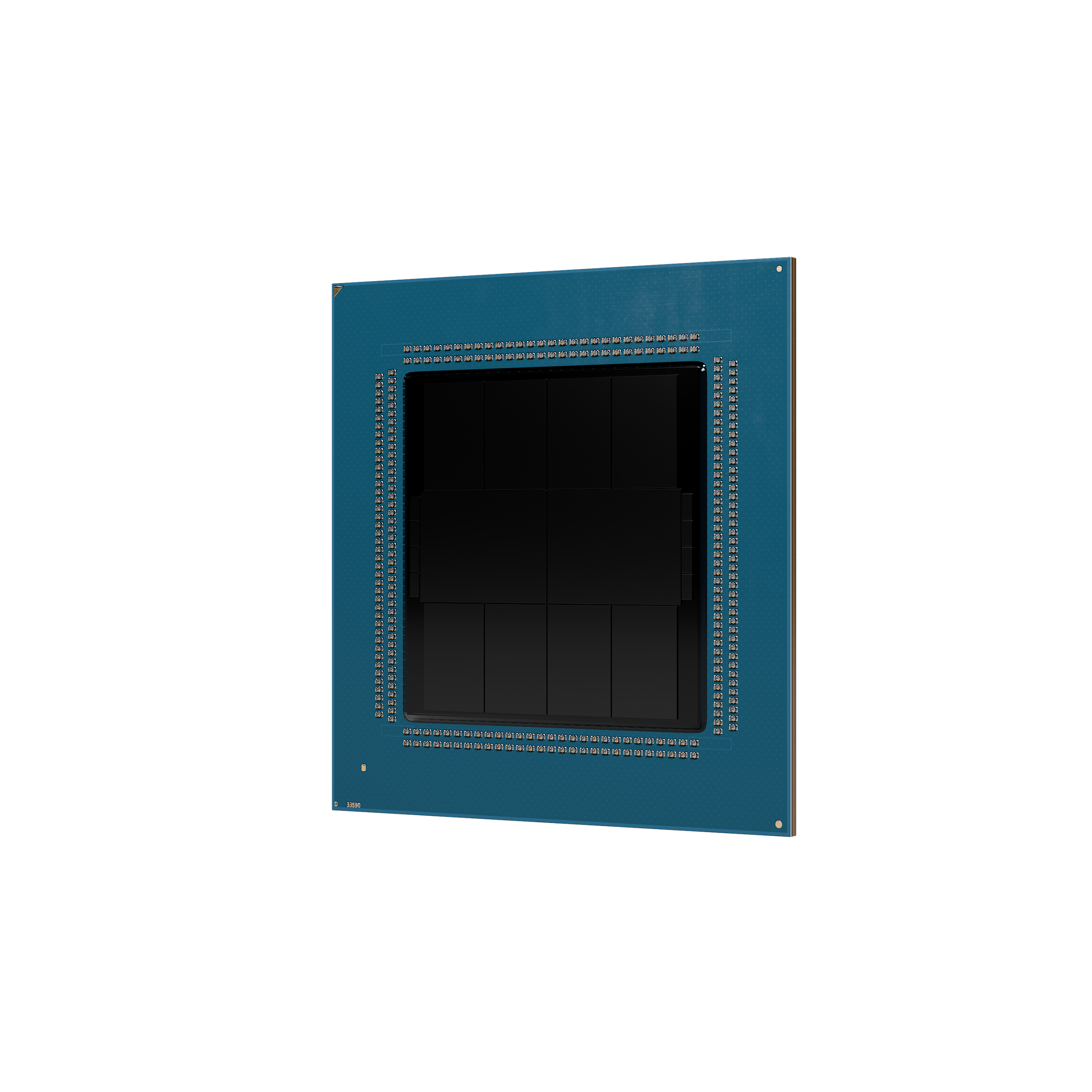 |  |
The MI455X includes two GCD compute modules, two MCD memory modules, and 16 HBM4 cores, for a total capacity of 432GB, bandwidth of 19.6TB/s, scale-up rack interconnect bandwidth of 3.6TB/s, and scale-out cluster interconnect bandwidth of 300GB/s.
A single Helios can achieve 40 PFlops (400 quadrillion operations per second) at FP4 precision and 20 PFlops at FP8 precision.
Compared to the previous generation MI355X, it boasts a performance increase of up to 10 times.
Compared to NVIDIA Vera Rubin, it offers comparable memory bandwidth, rack bandwidth, and FP4/FP8 computing power, while leading by 50% in memory capacity and cluster bandwidth.
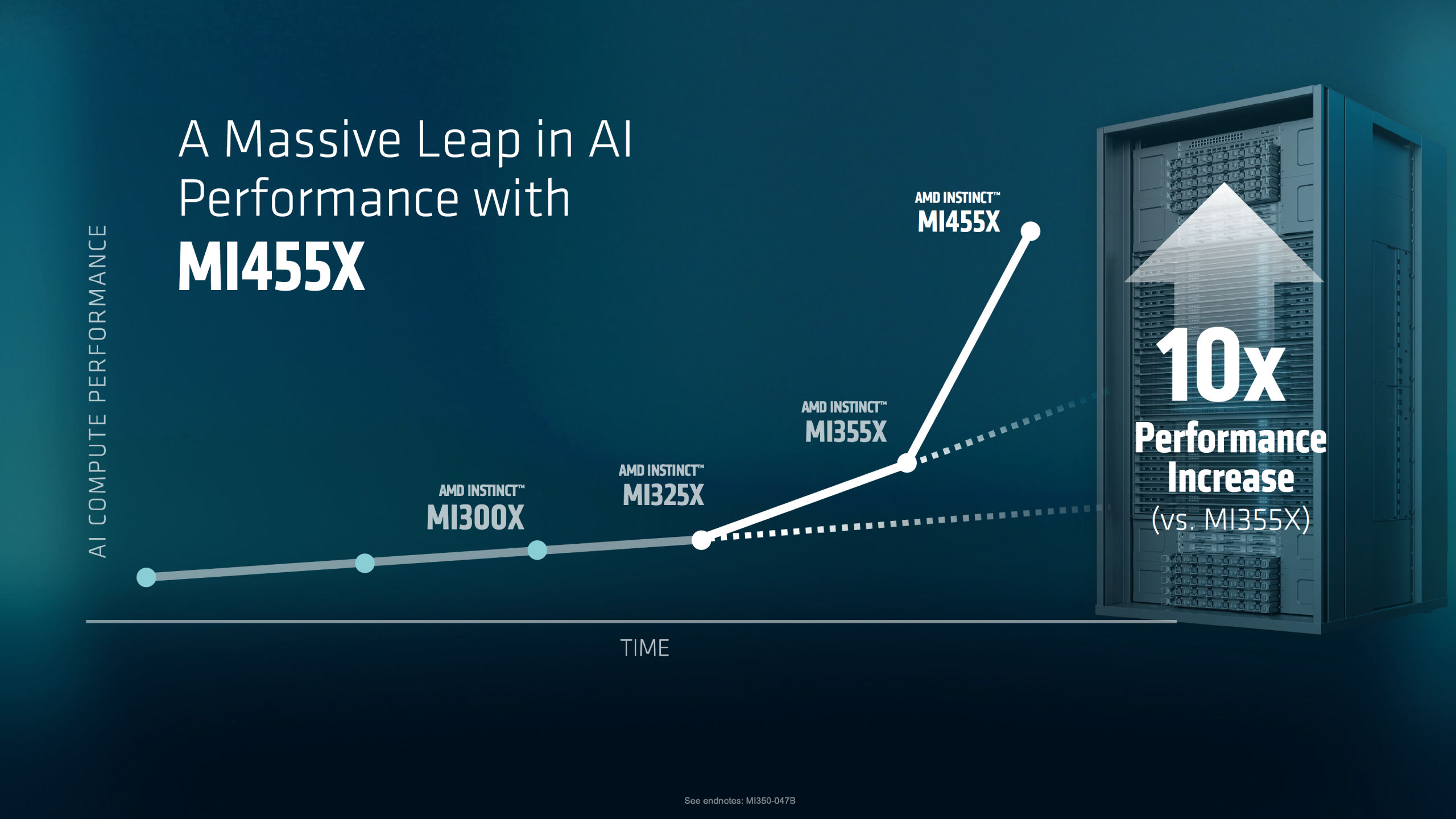
A single Helios rack comprises 72 nodes, featuring up to 4,600 CPU cores and 18,000 GPU cores, totaling 22,600 cores. It also boasts 31TB of HBM4 memory with a bandwidth of 43TB/s, resulting in a total computing power of 2.9EFlops (290 quadrillion operations per second).
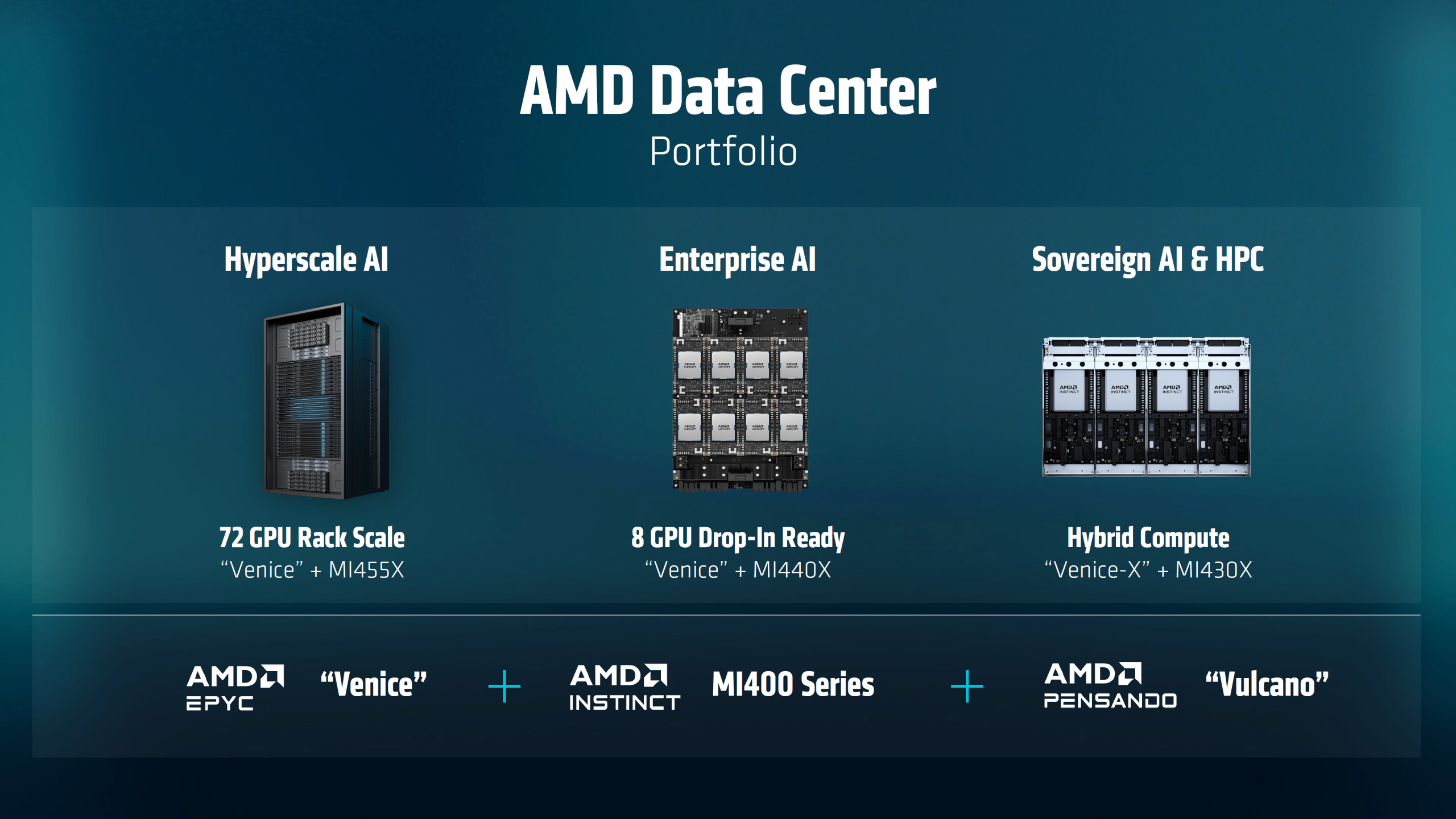
In addition, AMD has prepared an eight-way GPU computing platform using the slightly lower-spec MI440X GPU accelerator, also paired with Venice EPYC, targeting enterprise-level AI.
For hybrid computing, there's a combination of Venice-X and MI430X, with the former integrating 3D cache and the latter optimized for FP64.
AMD's Helios platform has already distributed reference designs to OEMs and ODMs and will be mass-produced and available this year.
NVIDIA's Vera Rubin is also said to be in production and will debut this year.

