


Abstract:The MATRIX-3 humanoid robot features advanced bionic design, tactile sensing, and zero-shot learning capabilities, enabling it to perform complex tasks and adapt to new environments. Its versatile design and movement systems make it suitable for a wide range of applications in industries like manufacturing, logistics, and healthcare.
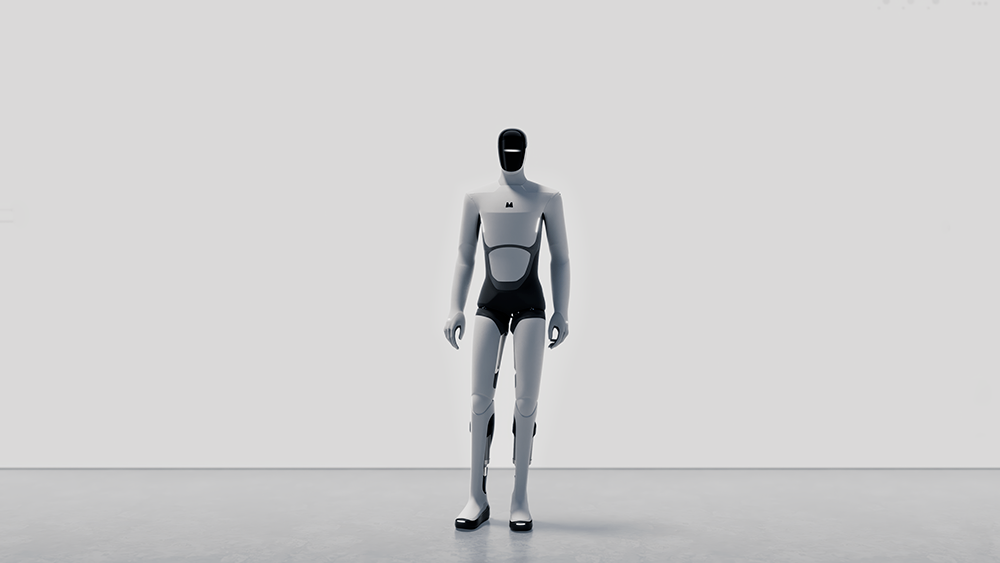
The third-generation humanoid robot, MATRIX-3, represents a major step forward in robotics. It incorporates breakthroughs in materials, drive technology, and artificial intelligence, enabling the robot to move beyond executing predefined tasks to understanding and adapting to its physical environment.

MATRIX-3 features a bionic design that integrates advanced tactile sensing technology. The robot’s body is covered with a 3D woven fabric, which functions as a biomimetic skin. This skin not only offers a soft, human-like touch but also houses a network of sensors that detect pressure and location, allowing for safe and intuitive human-robot interaction. Additionally, the robot’s fingertips are equipped with high-sensitivity tactile sensors, enabling precise handling of delicate or flexible objects.
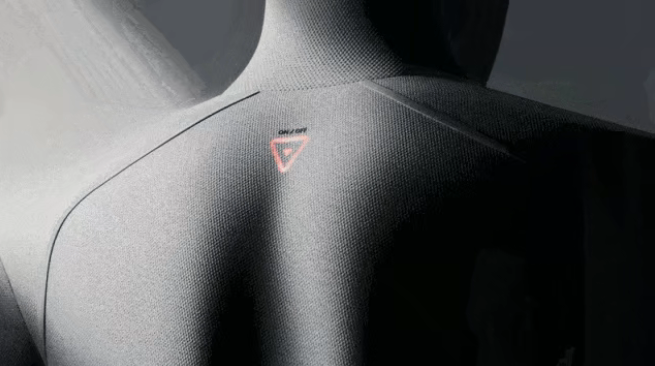 | 3D Biomimetic Skin Texture: This "skin" cushions accidental contact and senses the location and force of contact, |
Multimodal Sensing Fusion: The fingertips integrate a high-sensitivity tactile sensor array capable of sensing pressure changes as small as 0.1N. | 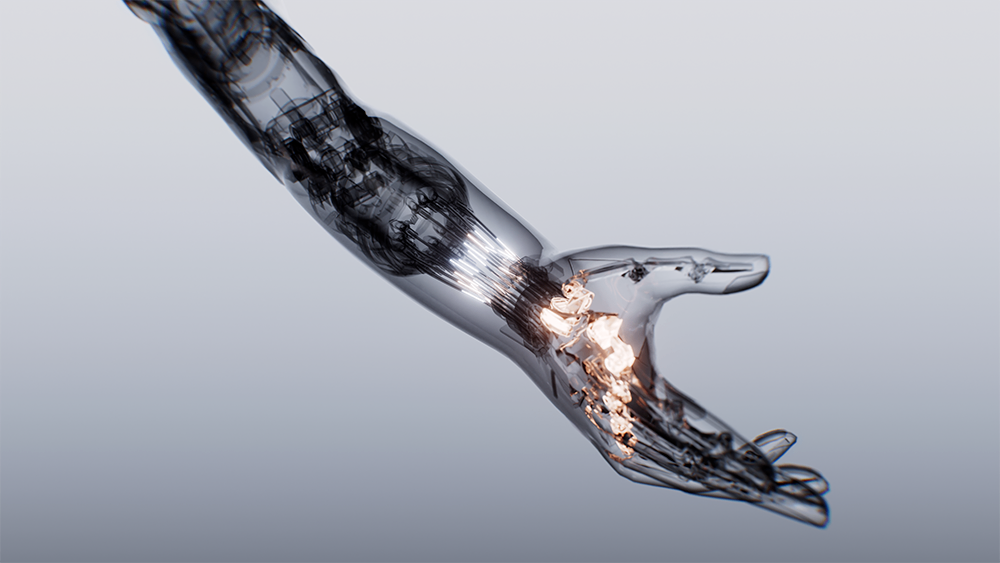 |
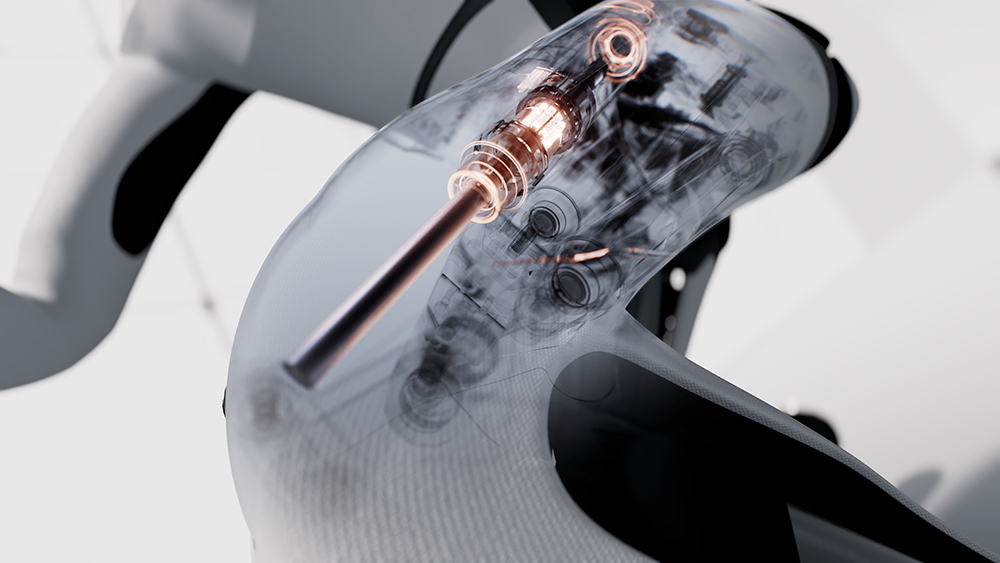
The robot’s dexterity is enhanced by a newly designed 27-degree-of-freedom (DOF) hand, allowing it to perform complex tasks with high precision. Combined with its bionic joints, the robot can move fluidly, walking, turning, and adjusting to different terrains, mimicking human-like gait and movement. The advanced drive system ensures stability and agility, enabling the robot to execute a wide range of motions seamlessly.
At the heart of the MATRIX-3 is a powerful cognitive core that supports zero-shot generalization. This technology allows the robot to learn new tasks quickly without the need for large datasets. By understanding basic physical laws and adapting to new environments with minimal input, the robot can autonomously plan its actions, making it highly versatile for various applications, including in manufacturing, logistics, and healthcare.
With these capabilities, the MATRIX-3 paves the way for the widespread use of humanoid robots in everyday settings, marking a significant milestone in the development of intelligent physical robots.

