


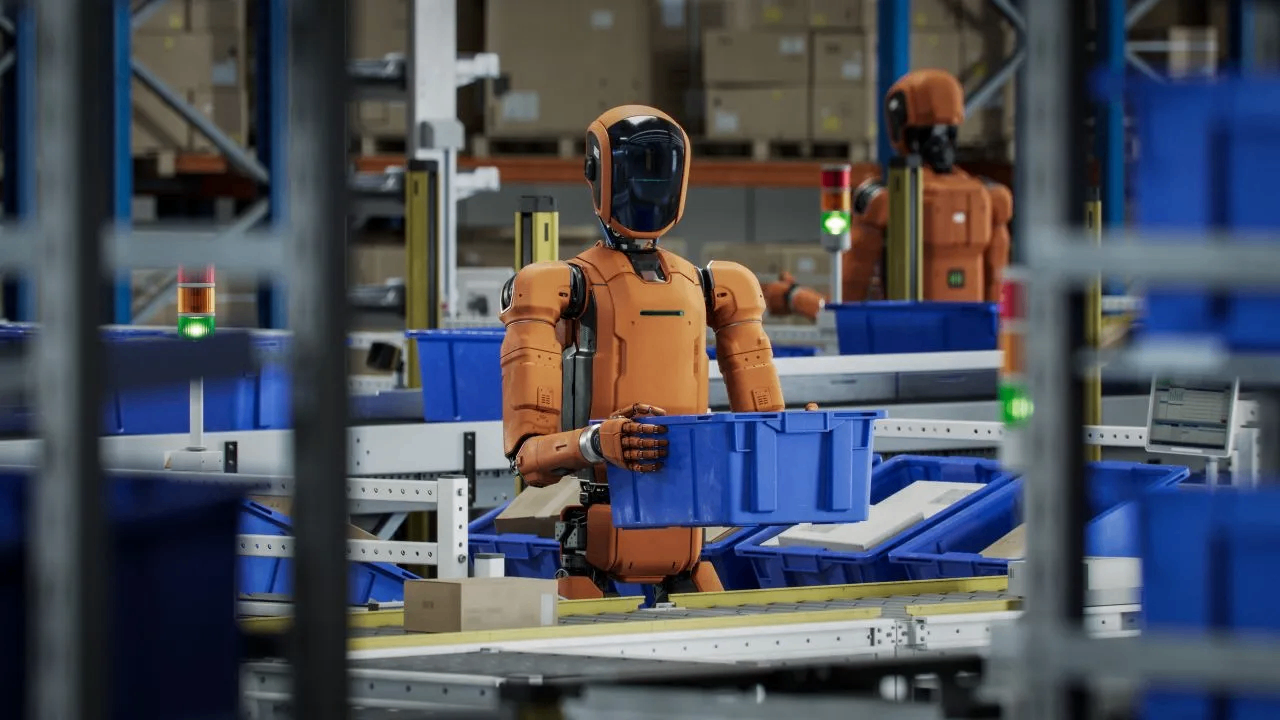
According to the latest research data from Valuates Reports, the global humanoid robot actuator market will experience explosive growth, surging from approximately $150 million in 2024 to nearly $9.9 billion in 2031, approaching the $10 billion mark. This highlights the industry trend of humanoid robots rapidly penetrating from pilot exploration to commercialization.
As the "core heart" of a humanoid robot's physical movement capabilities, actuators bear the crucial responsibility of translating software intelligent instructions into actual actions. Their performance directly determines the robot's flexibility, balance accuracy, load capacity, and operational reliability.
With the continuous expansion of humanoid robot application scenarios, the demand for highly dexterous and high-performance humanoid robots is surging in manufacturing, logistics and warehousing, medical assistance, scientific research, and commercial services, directly driving the continued rise in demand for high-end actuators.
From a regional market perspective, the Asia-Pacific region has become the core growth engine for actuator demand. Benefiting from the accelerated automation upgrades in local manufacturing and the vigorous development of robotics technology innovation, related market demand continues to be released.
Meanwhile, the North American market also performed exceptionally well, becoming a key growth engine for the global actuator market thanks to its significant investment in advanced robot R&D, medical assistive robots, and service robots.
Notably, industrial-grade humanoid robots have been identified as the core driver of actuator market growth. As the application of humanoid robots in industrial scenarios such as factory production lines and smart warehouses continues to increase, the market is placing higher demands on robot performance—requiring stronger load-bearing capacity, longer continuous working hours, and the ability to adapt to continuous mechanical stress environments. This provides a clear direction for the iterative upgrade of high-end actuator technology.

