


Summary: A novel lung-on-a-chip platform built entirely from genetically derived cells replicates human alveolar function and breathing motions, offering new avenues for studying respiratory diseases and personalized medicine.
Researchers have developed the world’s first human lung-on-a-chip model constructed entirely from genetically derived cells, marking a significant advancement in respiratory disease research. Unlike traditional organoid-on-chip systems that rely on mixed sources of cells, this innovative platform uses induced pluripotent stem cells from a single donor to create both alveolar epithelial cells and vascular endothelial cells. This approach allows the system to more faithfully replicate the structure and function of human alveoli, reflecting individual lung physiology and disease progression with high fidelity.
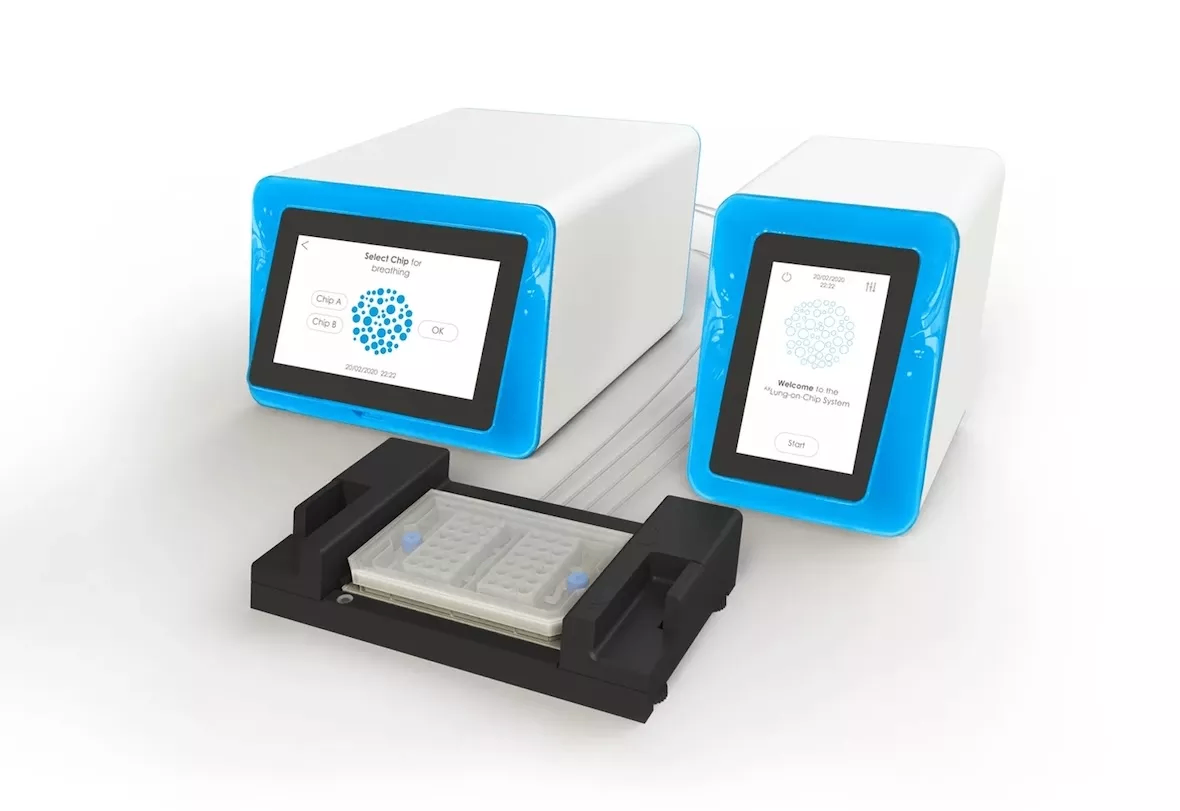
The lung-on-chip platform developed by AlveoliX recreates human alveolar function and breathing motions to study respiratory infections using human-relevant models.
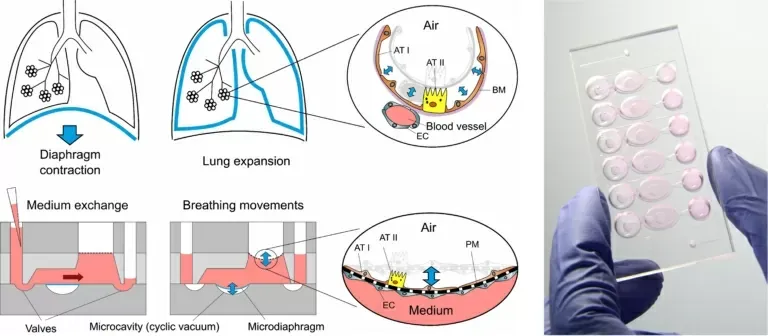
The platform recreates the alveolar microenvironment by culturing the two cell types on either side of a thin film and applying rhythmic three-dimensional mechanical forces to simulate human breathing. This motion promotes the formation of microvilli and closely mirrors the physiological conditions of the human lung.
By incorporating immune cells derived from the same donor, the model successfully reproduces early pathological responses to infections, such as immune cell aggregation and alveolar barrier damage, offering a powerful tool for studying respiratory pathogens. This capability enables researchers to investigate infection mechanisms in a way that closely mimics human biology.
This technology highlights the dual value of organoid-on-a-chip systems: it reduces reliance on animal models while providing physiologically relevant, predictive research opportunities. It also offers a platform for testing new therapeutic strategies under conditions that better represent human lungs.
Moreover, the use of genetically homogeneous cells opens new possibilities for personalized medicine, enabling investigations into how individual genetic backgrounds influence disease development and treatment responses. This platform represents a major step forward in creating more accurate, patient-relevant models for respiratory disease research and therapeutic development.

