


Summary:A new generation of realistic humanoid robots combines AI vision, facial expression technology, and social interaction capabilities to deliver more natural human–robot communication in workplaces and public spaces.
A new generation of lifelike humanoid robots is pushing the boundaries of human–robot interaction by combining advanced artificial intelligence, autonomous vision systems, and realistic facial expressions to create more natural communication experiences.

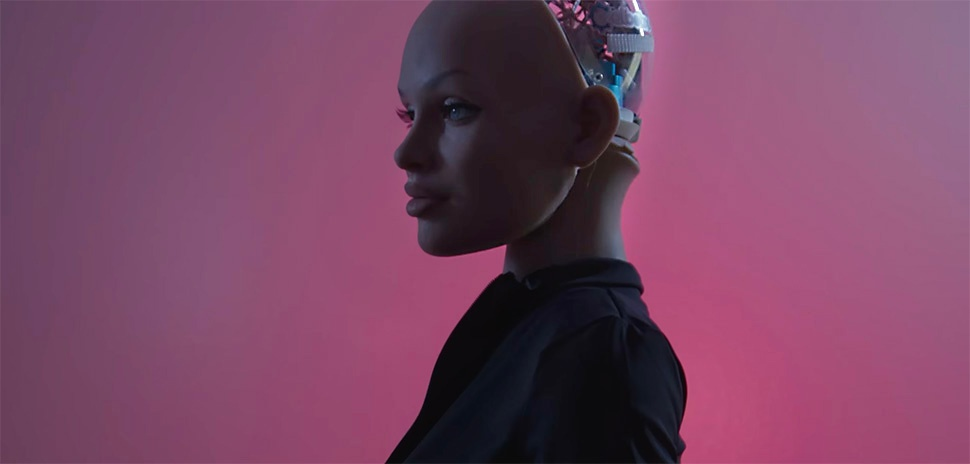
A lifelike Realbotix robot
Unlike many existing humanoid robots that focus mainly on mechanical movement, these high-end robots are designed around human-centric robotics, emphasizing appearance, emotional expression, perception, and interactive abilities. Their realistic facial features and responsive behaviors allow them to function as intelligent interfaces between people and technology.
The robots are equipped with AI-powered vision technology that enables them to recognize individuals, interpret surroundings, and participate in two-way conversations. Through advanced sensors, conversational AI, and social interaction algorithms, they can engage with employees, visitors, and students in real-world environments.
Partial inside view of a lifelike Realbotix robo
In workplace applications, these humanoid robots can support employee training, provide personalized career guidance, and create immersive learning experiences. In public spaces such as innovation centers and educational facilities, they can serve as interactive assistants, welcoming visitors while demonstrating the potential of artificial intelligence and robotics.
The development of realistic humanoid robots represents a shift from traditional automation toward AI companions and digital human interfaces. By combining human-like appearance with intelligent communication capabilities, these robots are becoming potential partners in workplaces, education, customer services, and technology showcases.
As AI models, robotic hardware, and perception systems continue to improve, humanoid robots with advanced social intelligence could play a larger role in everyday environments, helping bridge the gap between humans and machines.
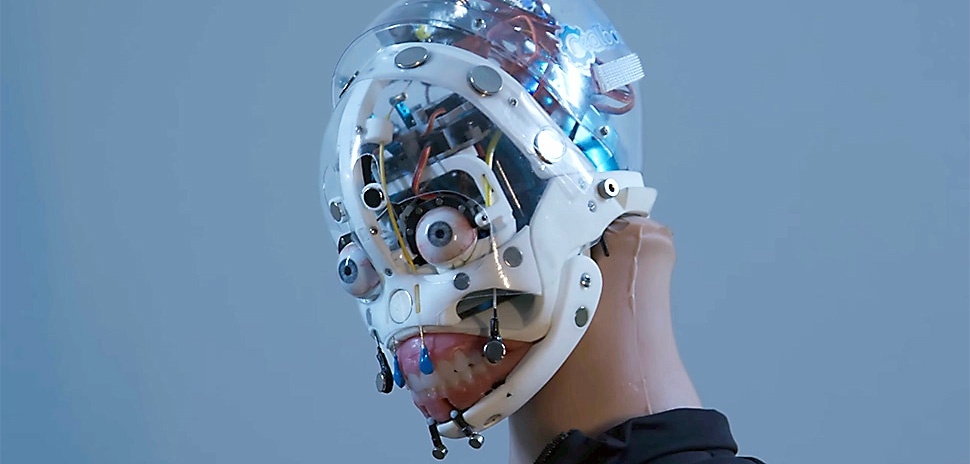
Inside the head of a Realbotix robot

