


Summary:A new fleet-capable autonomous concrete drilling robot is designed to automate precision drilling for large-scale data center construction, improving speed, accuracy, and jobsite safety as AI infrastructure demand continues to grow.
As global demand for AI computing infrastructure accelerates, a new generation of autonomous construction robots is emerging to address critical bottlenecks in data center development. A newly developed downward concrete drilling robot is designed to automate one of the most labor-intensive tasks in large-scale construction: creating thousands of precise anchor holes for server racks and mechanical, electrical, and plumbing (MEP) systems.
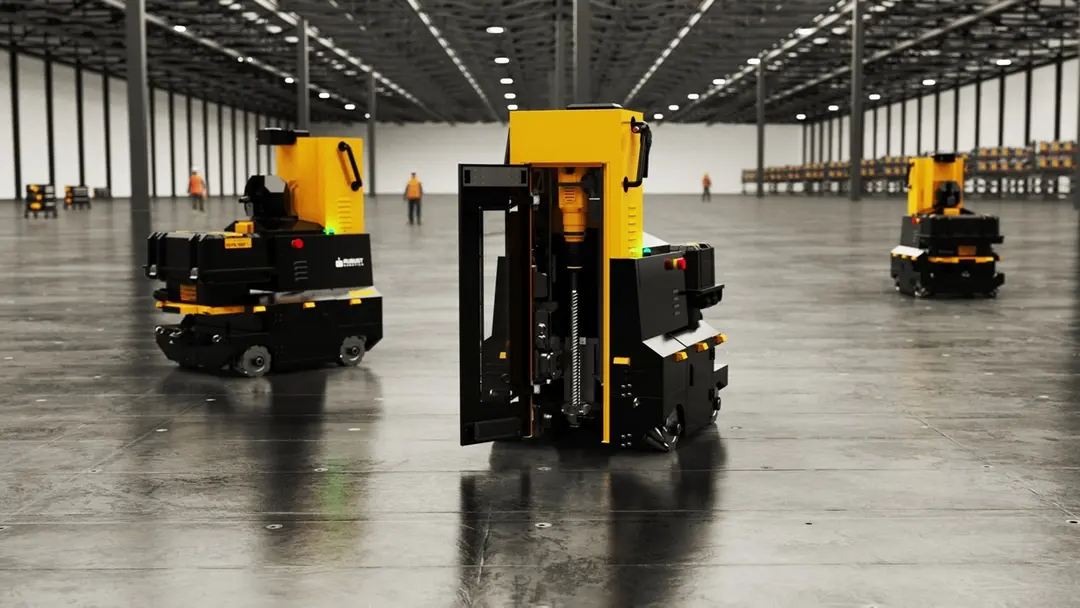
The robotic solution can drill at speeds up to 10x faster than traditional methods.
The robot is built for autonomous operation and fleet deployment, allowing multiple units to work simultaneously across large construction sites. By combining robotic navigation, automated drilling control, and high-precision positioning technology, the system significantly improves construction efficiency while reducing manual labor requirements and safety risks.
During pilot deployments, the robotic drilling system completed more than 90,000 drilling operations with 99.97% accuracy in hole location and depth. Compared with traditional drilling methods, it can increase productivity by up to 10 times and help shorten construction schedules by reducing delays and rework.
Designed specifically for hyperscale data center projects, the robot addresses a growing challenge in AI infrastructure expansion. Modern data centers require dense server installations and complex support systems, making fast and accurate construction processes essential to meeting rising computing demand.
Beyond drilling performance, the system supports scalable fleet-based construction automation, enabling contractors to manage multiple robotic units across different work zones. This approach could transform construction workflows by moving repetitive and physically demanding tasks from manual operations to intelligent machines.
With commercial deployment expected in 2026, autonomous drilling robots represent a broader shift toward AI-powered construction automation, where robotics technology is increasingly becoming a key factor in accelerating the global expansion of next-generation digital infrastructure.

