


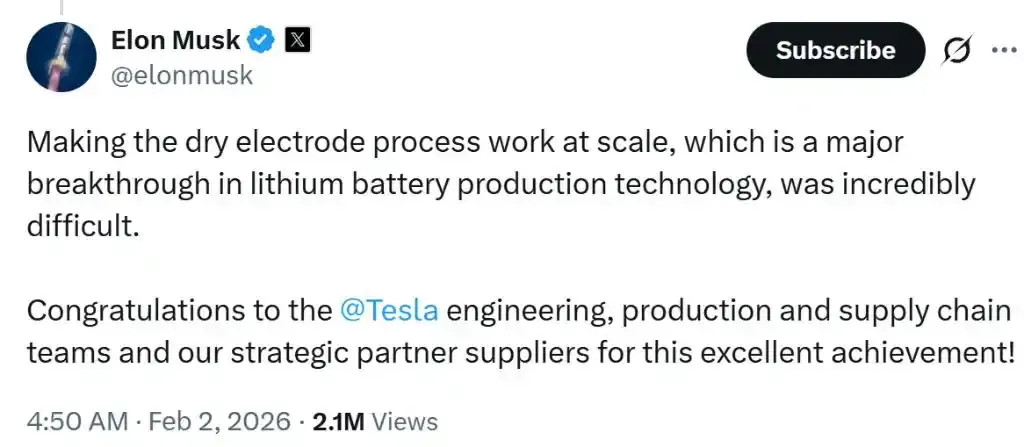
Tesla has made a significant leap in battery production with the successful mass production of dry electrode technology. This breakthrough, celebrated by Elon Musk, promises to revolutionize lithium battery manufacturing by cutting costs, energy consumption, and factory complexity, while enhancing scalability.
What is Dry Electrode Technology?
Traditional battery manufacturing uses a wet electrode process, where active materials, conductive agents, and binders are dissolved in solvents to form a slurry. This slurry is then coated onto foil and dried in long ovens, consuming vast amounts of energy. In contrast, dry electrode technology bypasses the solvent and drying process altogether by directly mixing powdered materials with binders, which are then electrostatically sprayed or pressed onto current collectors.
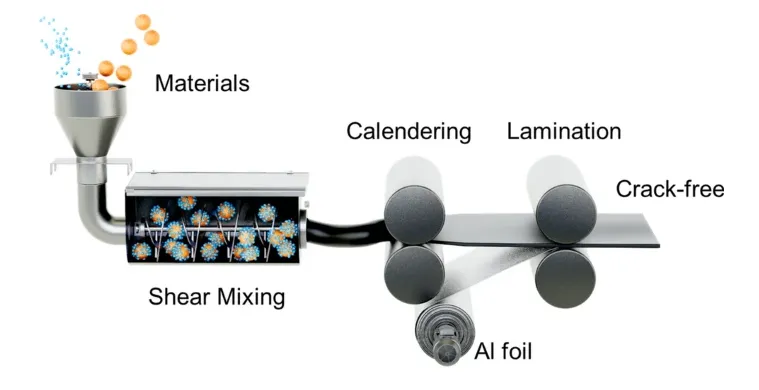
Tesla acquired dry electrode patents after purchasing Maxwell Technologies in 2019. The new process, which involves extruding self-supporting films from powdered materials and pressing them onto foils, eliminates the need for extensive drying and solvent recovery, making production more energy-efficient and faster.
Key Advantages of Dry Electrode Technology | |
Lower Costs & Energy Consumption | The simplified process reduces factory complexity and lowers energy usage, which is a significant advantage over traditional wet processes. |
Scalability | By eliminating drying ovens and solvent recovery systems, Tesla can scale production faster and at a lower cost, a crucial factor as the company aims to increase battery capacity for its 20 million-vehicle target by 2030. |
Improved Battery Performance | Dry electrode technology allows for thicker electrodes, which boosts energy density. This innovation helps address range anxiety in electric vehicles (EVs), making them lighter, more efficient, and cheaper. |
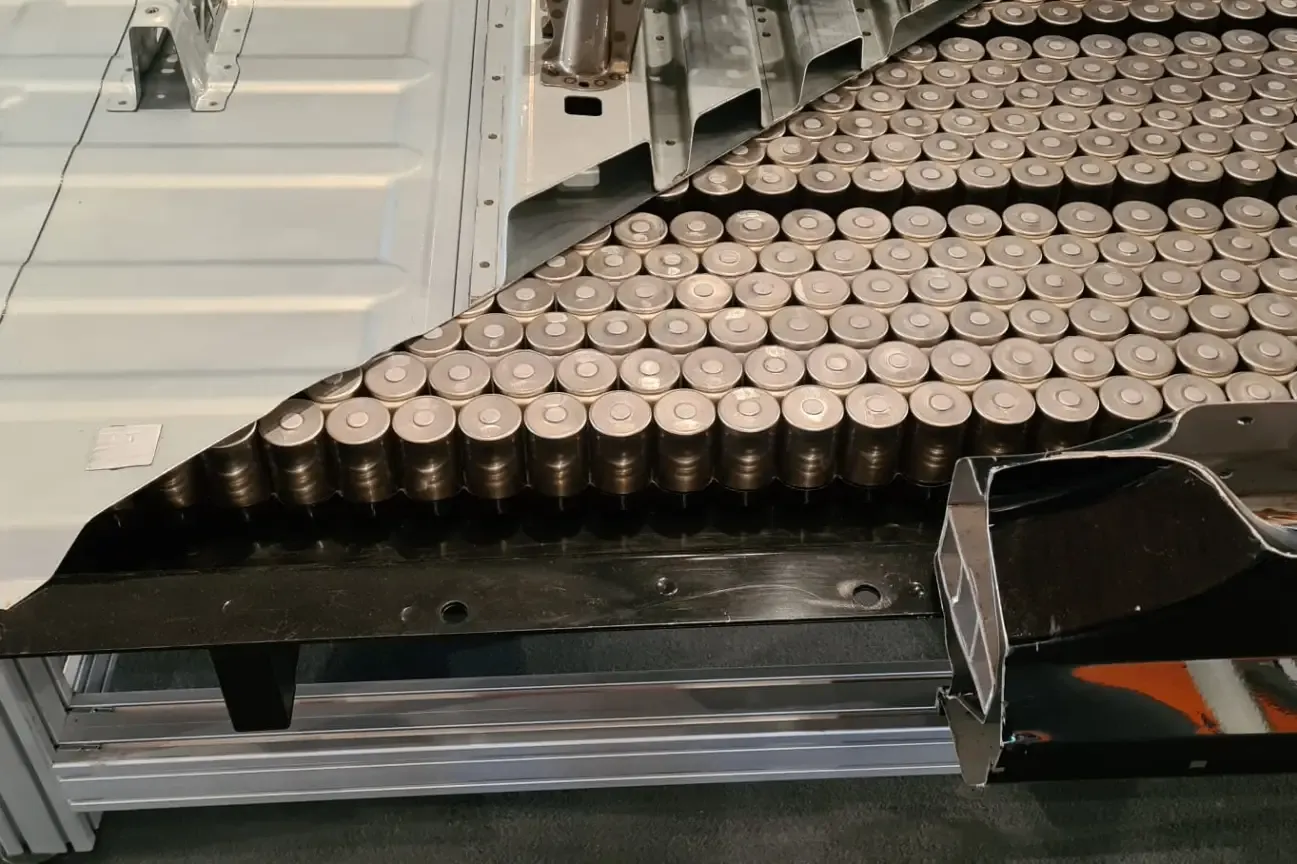
Faster Capacity Expansion | The simplified process reduces capital expenditures, enabling Tesla to build more battery capacity with the same investment, accelerating production for its in-house 4680 batteries. |
Industry Impact and Future Prospects
This breakthrough could reshape the entire EV battery sector. While Tesla leads the charge, traditional battery manufacturers are also researching dry electrode technology but face challenges scaling it up. Tesla's early success gives it a first-mover advantage in a market that is increasingly focused on cost reduction and performance improvement.
Tesla’s dry electrode technology could push the entire supply chain toward more efficient, eco-friendly, and cost-effective solutions. The move could spark innovation in materials science, particularly in the development of new binders for dry electrodes. Additionally, simplified manufacturing processes may lower the barrier for smaller battery manufacturers, increasing competition in the market.
In essence, Tesla's dry electrode breakthrough is a game-changer that accelerates the industry's transition toward more affordable, higher-performance EV batteries. This innovation positions Tesla to maintain its leadership in the global EV market, ensuring its dominance in an era of cost competition.

