


Summary:Researchers have developed a wearable DNA-based microneedle biosensor that enables real-time monitoring of vancomycin levels in the body with accuracy comparable to blood tests. The technology, commercialized by Nutromics, could advance personalized drug dosing and next-generation wearable healthcare monitoring.
A wearable DNA-based biosensor, similar to a continuous glucose monitor, can accurately and safely measure vancomycin levels in the body, according to a small pilot trial (Nat. Biotechnol. 2026, DOI: 10.1038/s41587-026-03010-w). The sensor detects target molecules in interstitial fluid just under the skin using aptamers—synthetic DNA-based binders—placed on 3‑mm-long microneedles.

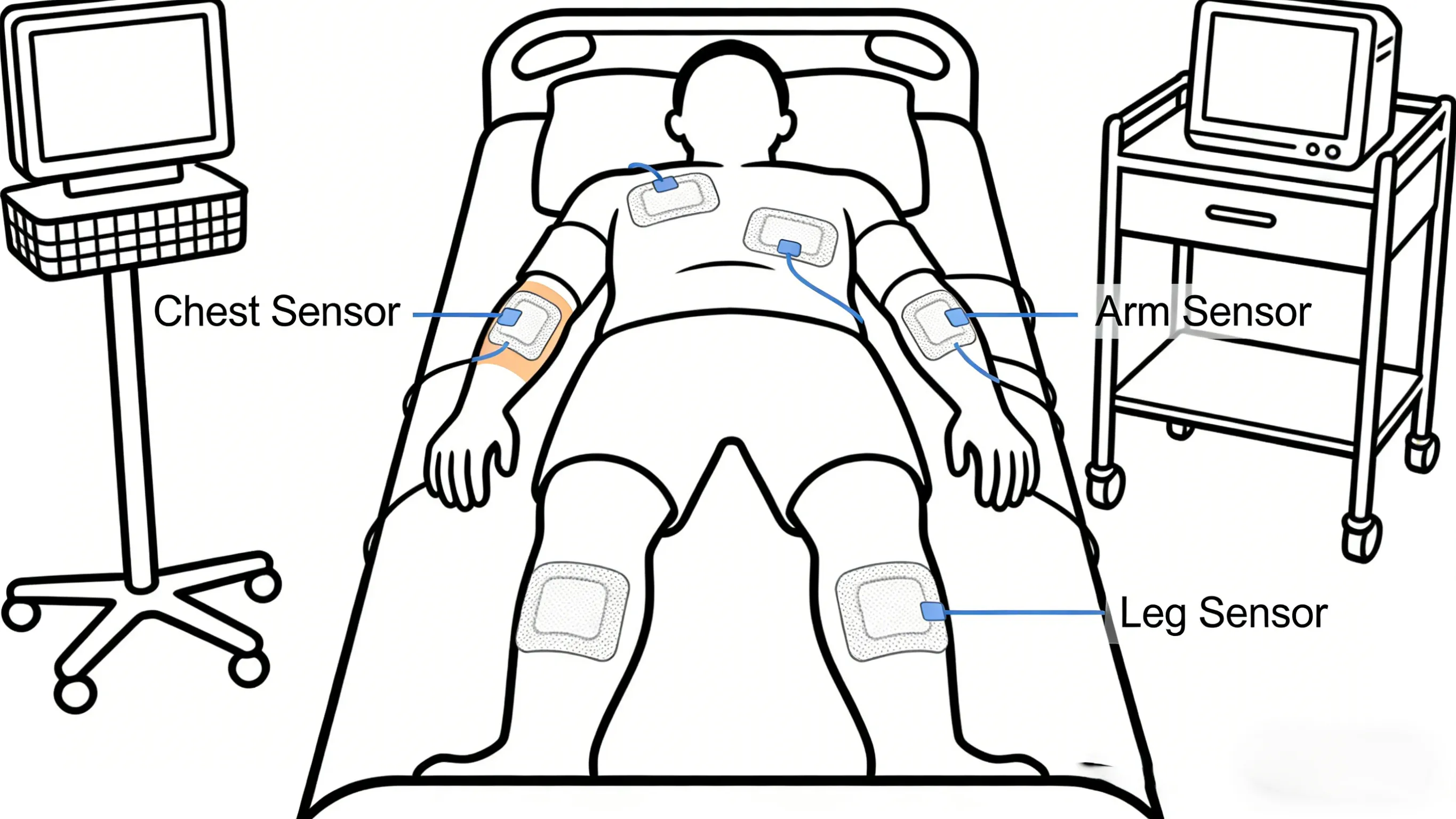
The patch uses biosensors on microneedles to detect drug concentrations in real time.
The research team, led by Kevin Plaxco of the University of California, Santa Barbara, chose vancomycin as the first target because its narrow therapeutic window makes safe dosing challenging with current techniques. In the pilot study, six healthy volunteers received intravenous vancomycin over 24 hours while wearing the patches. Compared with blood draws, the sensor showed good accuracy with an approximate 5‑minute delay—similar to continuous glucose monitors—and placement on the body did not greatly affect readings. Participants found the patches nearly painless to use and remove.

Since the pilot, Nutromics (the Australian company commercializing the technology) has tested the vancomycin sensor in 85 participants, including 27 intensive care unit patients. Although these results are not yet published, Plaxco notes that “the ICU data look promising.” Further US trials are planned this year. Animal studies have also demonstrated sensor operation for up to one week, suggesting longer-lasting devices are feasible.
The sensor platform is adaptable to many drugs, toxins, or biomarkers, and the microneedle patch can be multiplexed to detect up to ten molecules simultaneously. Tim Rawson, a clinician‑researcher at Imperial College London who was not involved in the study, comments that achieving aptamer function on microneedles for direct in vivo interstitial fluid monitoring is a notable advance. However, he cautions that expanding the technology to multiple analytes will require careful calibration because interstitial fluid pharmacokinetics differ from those of blood. Robust clinical evidence, effective communication with healthcare professionals, and demonstrated cost‑benefit will be key to clinical adoption.

