


A groundbreaking motor, developed by researchers at the University of New South Wales (UNSW), utilizes a liquid metal droplet to generate rotation, offering a flexible and efficient alternative to traditional rigid motors. This innovation addresses the limitations of conventional motors, which often fail when subjected to bending or twisting.
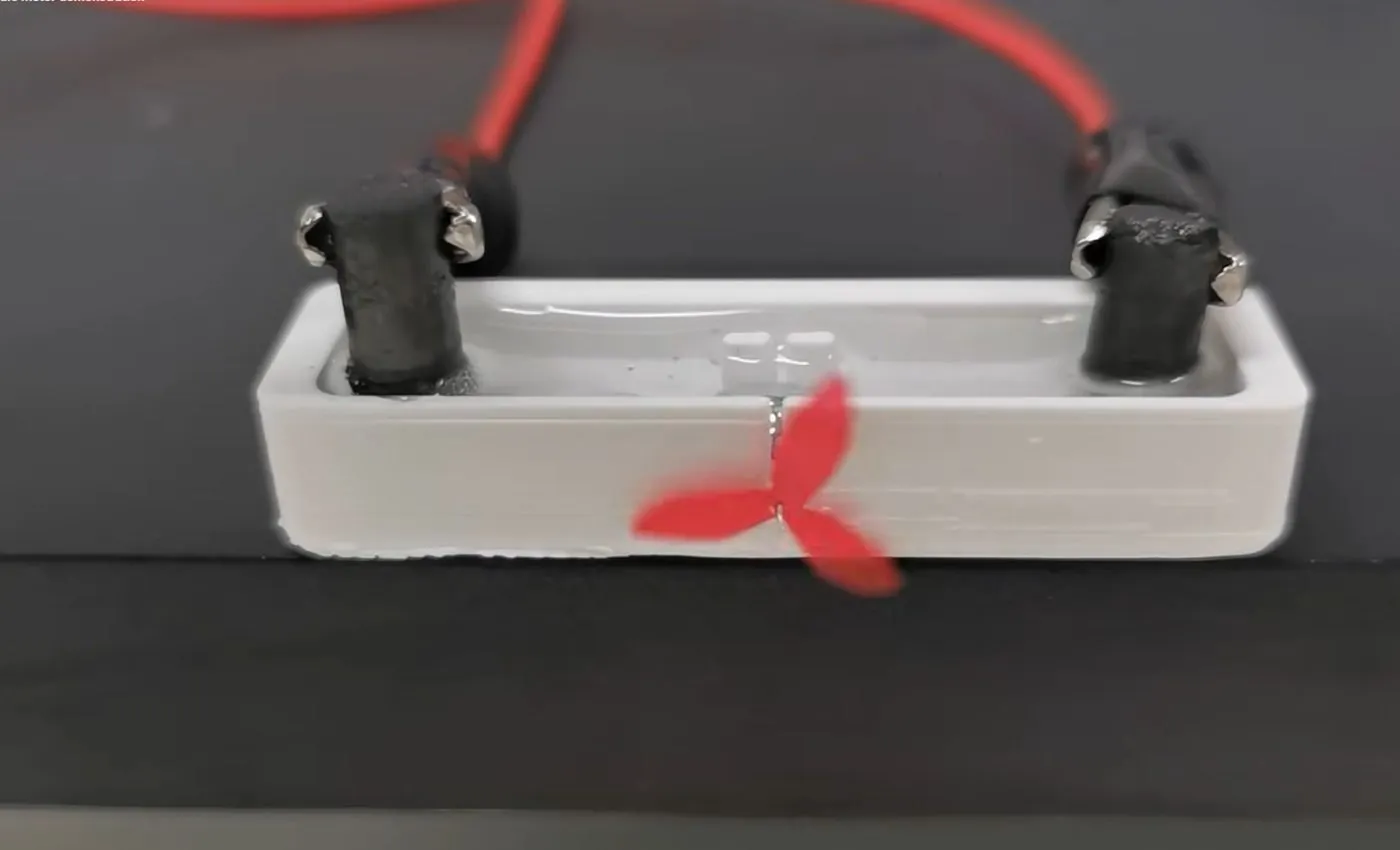
A revolutionary motor driven by liquid metal flow could enable bendable, unbreakable motion for medicine, micro-robotics, and flexible devices.
How It Works
At the core of the motor is a droplet of gallium-indium alloy, a liquid metal that remains fluid at room temperature. Instead of using gears or magnets, the motor relies on Marangoni flow—fluid motion driven by surface tension gradients. Electrodes apply controlled voltage to induce these differences, creating internal vortices that spin an attached copper paddle. The result is a fully flexible motor that can reach speeds of up to 320 RPM without rigid mechanical parts.
Key Advantages
| Bendable & Deformable | The motor operates in flexible environments, ideal for soft robotics and adaptable systems. |
| Compact & Energy-Efficient | Without the need for gears or coils, the design is compact and consumes less energy, reducing heat waste. |
| Micro-Scale Friendly | Its flexibility makes it suitable for miniature applications, such as medical implants or microfluidic devices. |
Potential Applications
This motor could transform various fields, including:
Soft Robotics: Enabling motion in flexible robots, such as grippers or valves.
Flexible Electronics: Powering microfluidic systems for lab-on-a-chip devices and sensors.
Medical Devices: Potential use in medical implants, diagnostic tools, and surgical robots, with future adaptations for biocompatibility.
 | 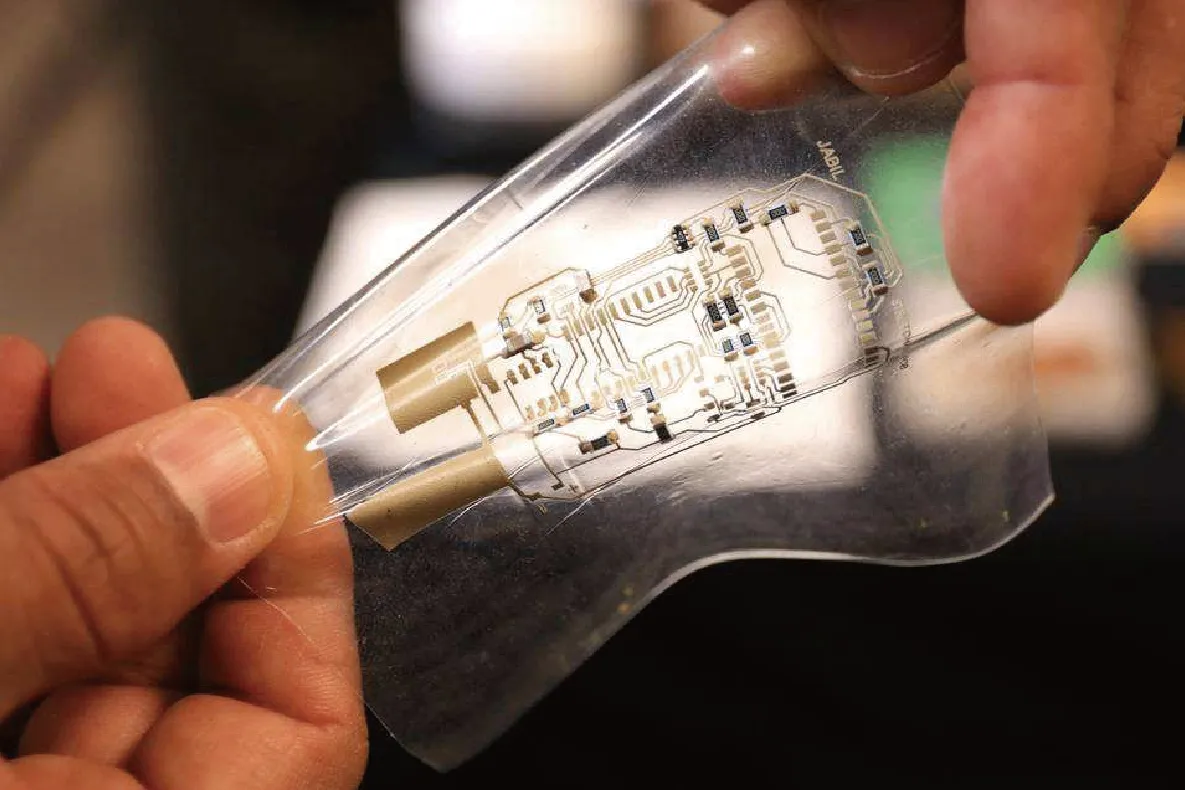 | 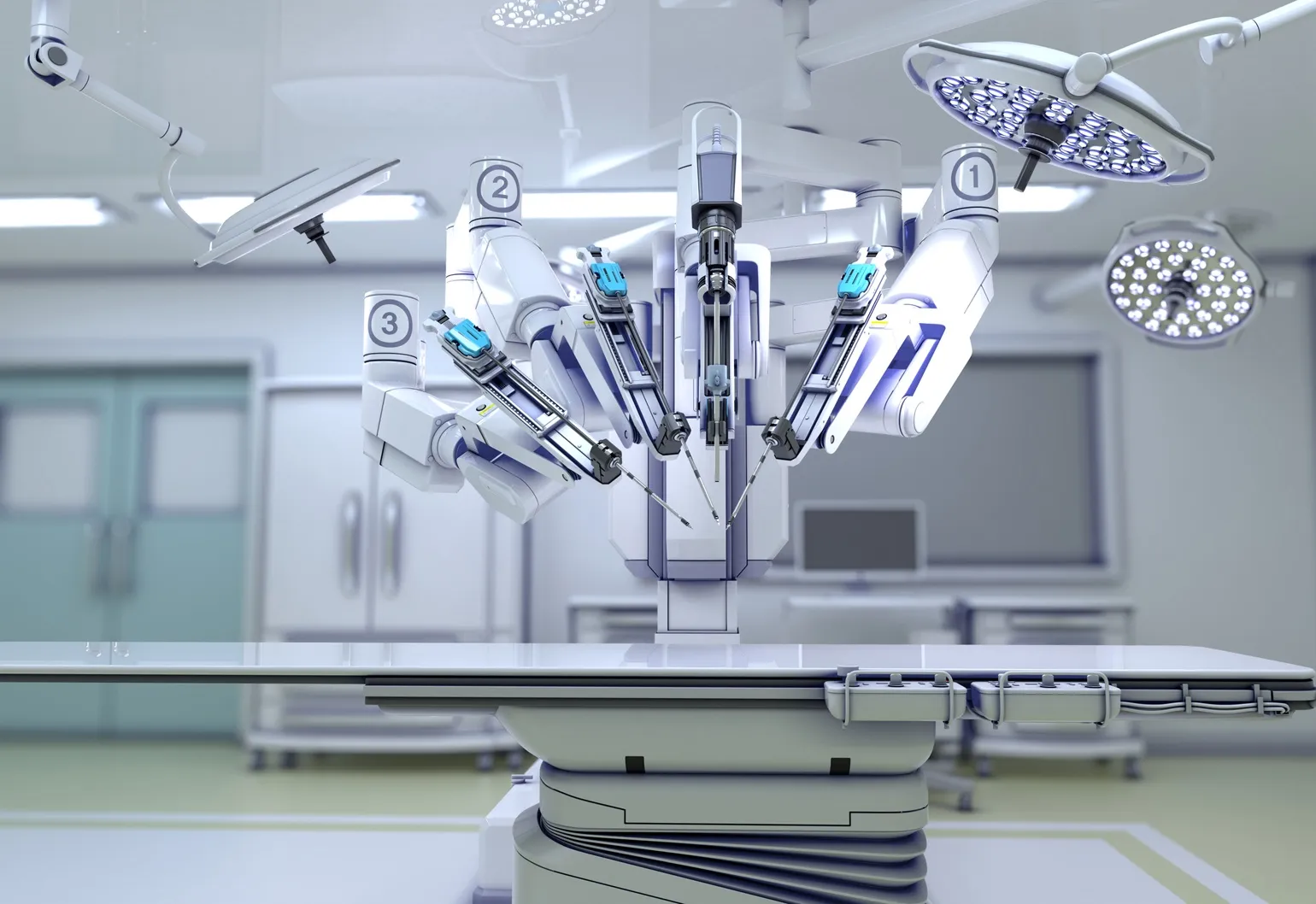 |
Challenges Ahead
While promising, the motor faces challenges such as chemical safety, material compatibility, and fabrication precision. Future developments will focus on enhancing biocompatibility, enabling wireless power transfer, and refining control mechanisms.
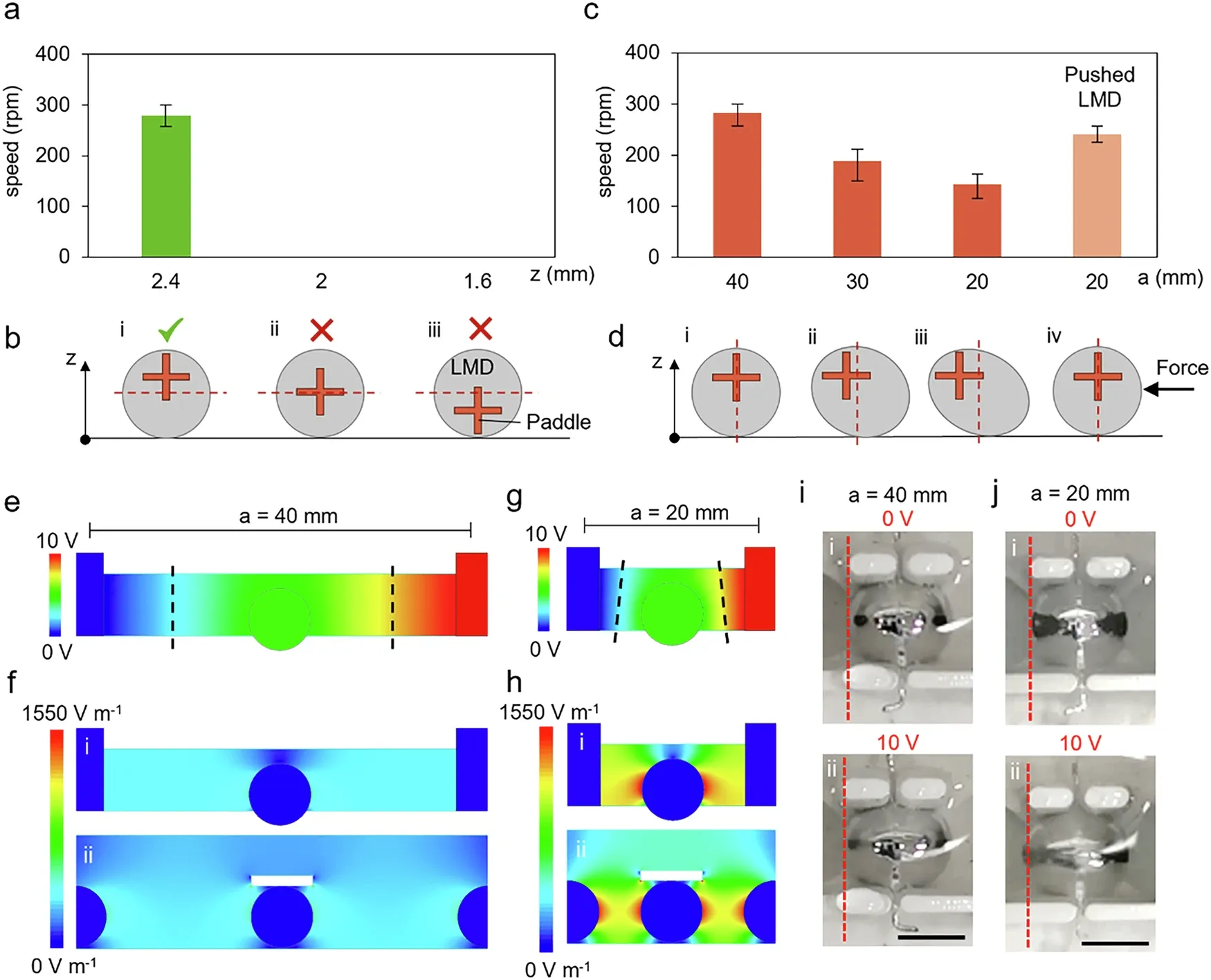
Cu paddle position and electrode distance analysis.
In conclusion, this liquid metal motor offers a new approach to rotary motion, making it ideal for small, flexible, and energy-efficient systems. Its potential to revolutionize fields like robotics and medicine is vast, and ongoing research is set to unlock its full capabilities.

