


As renewable energy grows, efficient storage solutions are essential. Iron-air batteries (Fe-air) are a promising technology, offering high capacity, low cost, and minimal environmental impact. A major project involves Xcel Energy installing 30GWh of Form Energy’s iron-air batteries at a Google data center in Minnesota, providing 100 hours of backup power.
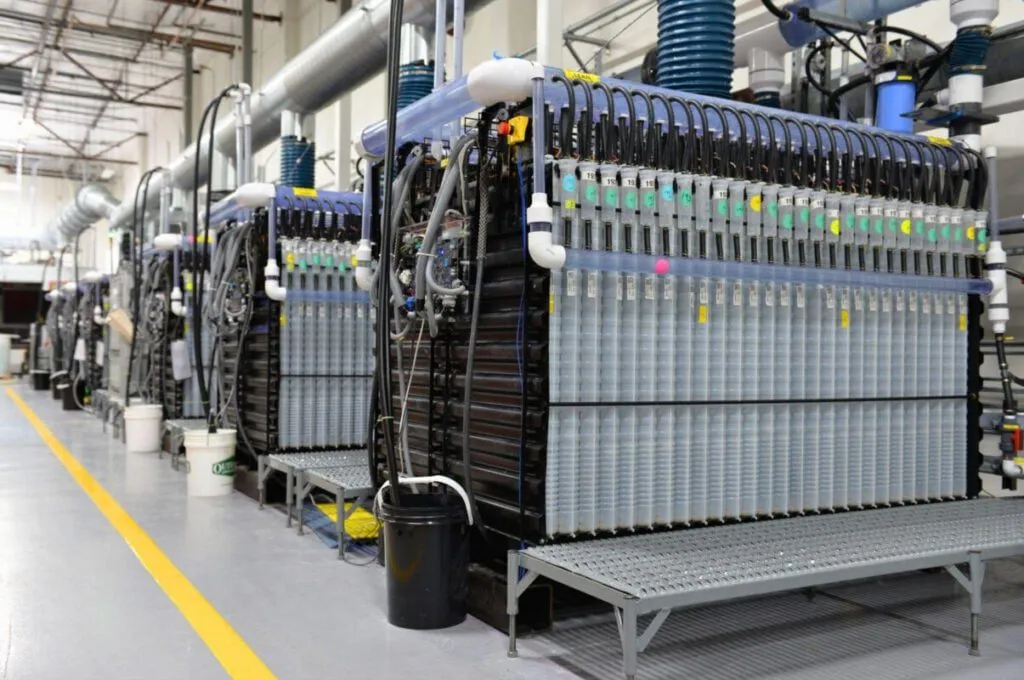
What Are Iron-Air Batteries?
Iron-air batteries store energy by reacting iron with oxygen during charging and reversing the reaction to release energy during discharge. They're ideal for long-duration storage, especially in large-scale applications.
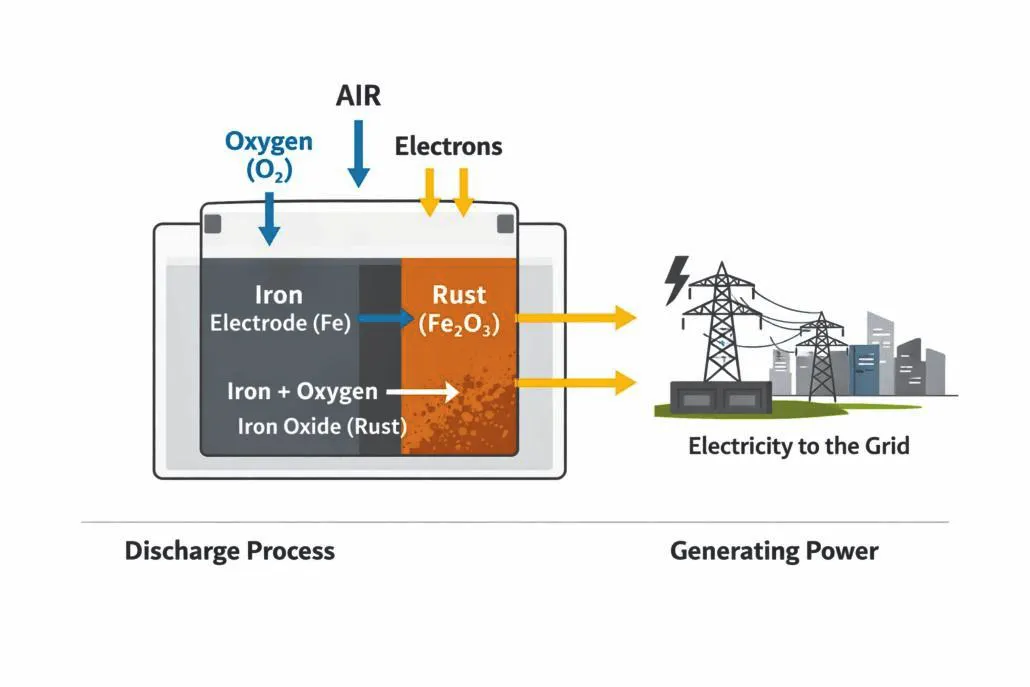
Intuitively display the macroscopic processes of "breathing air → iron turning into rust (discharging)" and "electrification → rust reduction (charging)"
Key Project: Google, Xcel Energy, and Form Energy
The Minnesota project is the world’s largest energy storage system by capacity, with 300MW and 30GWh of storage. It will help maintain power for Google’s data centers during high demand and low production periods.
Benefits of Iron-Air Batteries:
| High Capacity | Provides long-duration energy storage (up to 100 hours). |
| Cost-Effective | Made from inexpensive iron, lowering production costs. |
| Long Lifespan | More durable than conventional batteries. |
| Eco-Friendly | Iron is abundant and non-toxic. |
| Renewable Integration | Stores energy from wind and solar, stabilizing the grid. |
Challenges
Iron-air batteries have lower efficiency than lithium-ion and are bulky, but research is addressing these issues.
Applications
 |
|
|  |
 |
|
Future Outlook
With growing investments and advancements, iron-air batteries could play a key role in the shift to clean energy, offering a sustainable and cost-effective solution for energy storage.

