


John Carmack, the visionary behind Doom and Meta's VR projects, has proposed using fiber-optic loops as high-speed data caches for AI models, challenging traditional silicon-based memory systems. His idea promises a revolutionary shift in AI data storage, offering unprecedented efficiency and bandwidth.
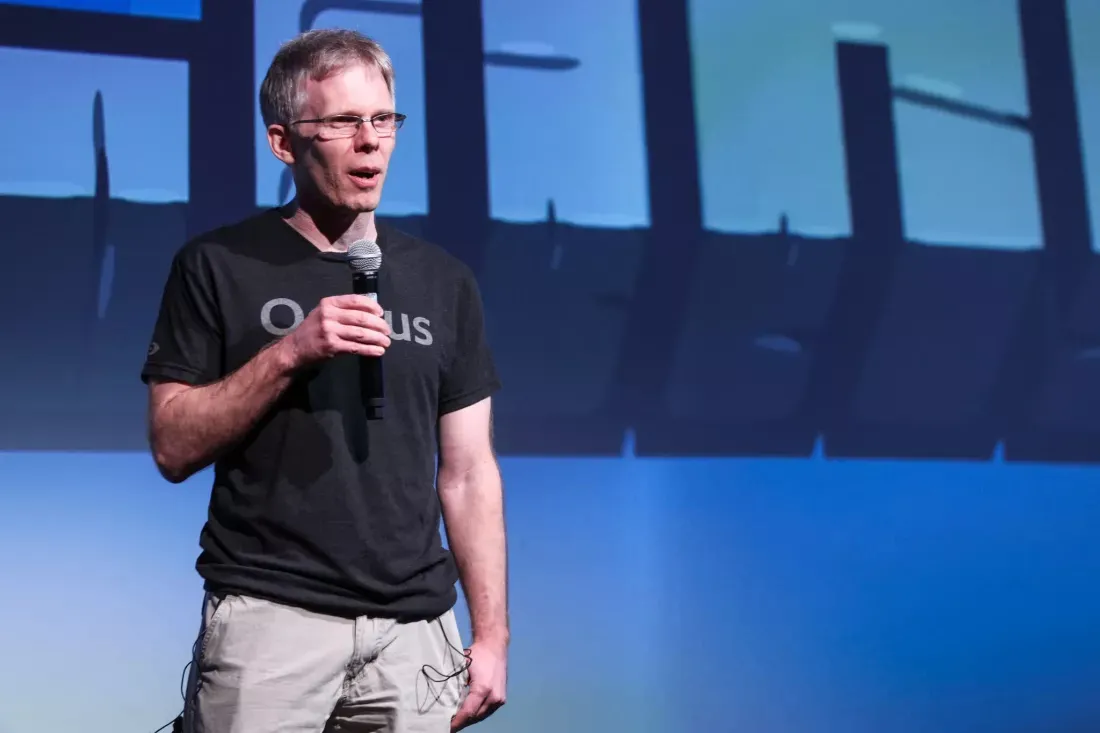
Fiber-optic cables can transmit data at 256 terabits per second over 200 kilometers, allowing for 32GB of data to be stored and moved at once. Carmack suggests using fiber-optic loops as a "level-two cache" for AI, where data is stored and circulated at the speed of light, providing near-instantaneous access to model weights for real-time processing. This could replace slower, traditional memory systems like DRAM, with significantly lower latency and higher bandwidth.
Category | Key Information |
Technology Type | Fiber-optic Loop Cache |
Application Scenario | Level-2 Cache for AI |
Core Function | Store and circulate AI model weights |
Storage Capacity | 32 GB (stored and moved at once) |
Transmission Rate | 256 terabits per second (over 200 km) |
Physical Medium | Fiber-optic cable |
Speed Characteristics | Circulated at the speed of light, near-instantaneous access |
Advantages over Traditional | Lower latency & higher bandwidth compared to traditional memory systems like DRAM |
Advantages of Fiber-Optic Memory
Fiber optics offer distinct advantages over DRAM, such as:
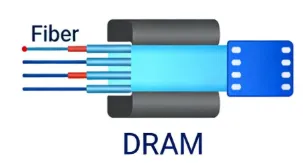 | Energy efficiency Fiber optics use minimal power comparedto DRAM, which requiresconstant refeshing |
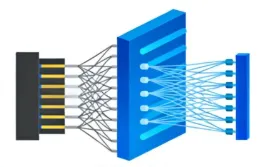 | High bandwidth Fiber optics can handle vast amountsof data without the bottlenecksof current memory techologies |
Carmack’s vision draws parallels to delay-line memory from the 20th century, but modern fiber optics provide much more stability, predictability, and scalability.
Challenges to Overcome
While fiber-optic memory holds promise, significant hurdles remain:
Challenges to Overcome | |
High cost | Infrastructure limitations |
200-kilomteer strech of fiber-optic cabeis expensive, and necessary componentslike amplifiers and signal processors maynegate potential energy savings | Scaling fiberoptic memory for A I modls reuiressusbtantial infrastucture d evepment, adthepracatiality of widespsed imlementantoionremains uncetain |
|
|
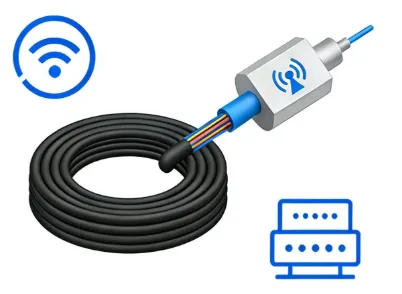
Speculative Ideas and Flash Memory Integration
Carmack’s focus is on more practical solutions like flash memory coupled with AI accelerators. This approach could bypass DRAM, reducing energy consumption and latency. Ongoing research projects, such as FlashNeuron and FlashGNN, are exploring NAND flash memory as a near-memory cache for neural networks, moving AI models closer to efficient, high-speed memory.
Conclusion
Carmack’s proposal to use fiber-optic loops for AI memory is a bold vision for the future of data storage. Despite challenges, the potential for improved bandwidth, energy efficiency, and speed makes fiber optics an exciting area for AI infrastructure innovation. This concept, along with emerging flash memory solutions, could transform how AI operates at the hardware level in the near future.

