


In February, a U.S. robotics company sent two Phantom MK-1 humanoid robots to Ukraine for testing in combat environments. This marks a significant step in the development of the robots, as Ukraine becomes a global testing ground for new military technologies.
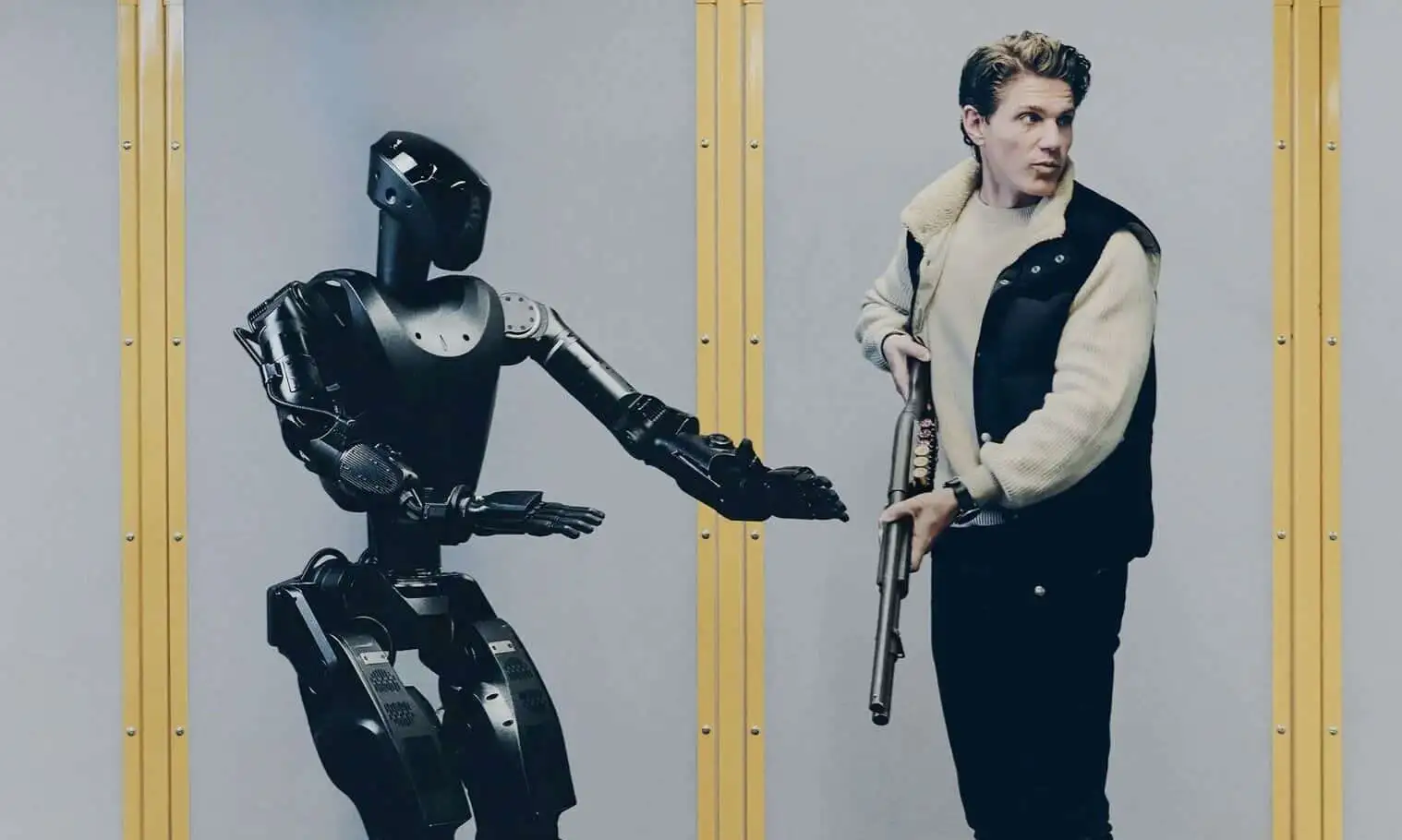
The Phantom MK-1 robot.
Mike LeBlanc, the company’s co-founder, believes humanoid robots like Phantom could play a major role in future warfare. He sees them as crucial for resupply and reconnaissance, especially in areas drones can't access, such as bunkers. The robots' heat signature mimics that of a human, which could confuse enemy surveillance systems.
LeBlanc's long-term goal is for Phantom robots to operate any weapon system designed for human soldiers. This would allow them to interact with various military equipment, making them versatile on the battlefield.
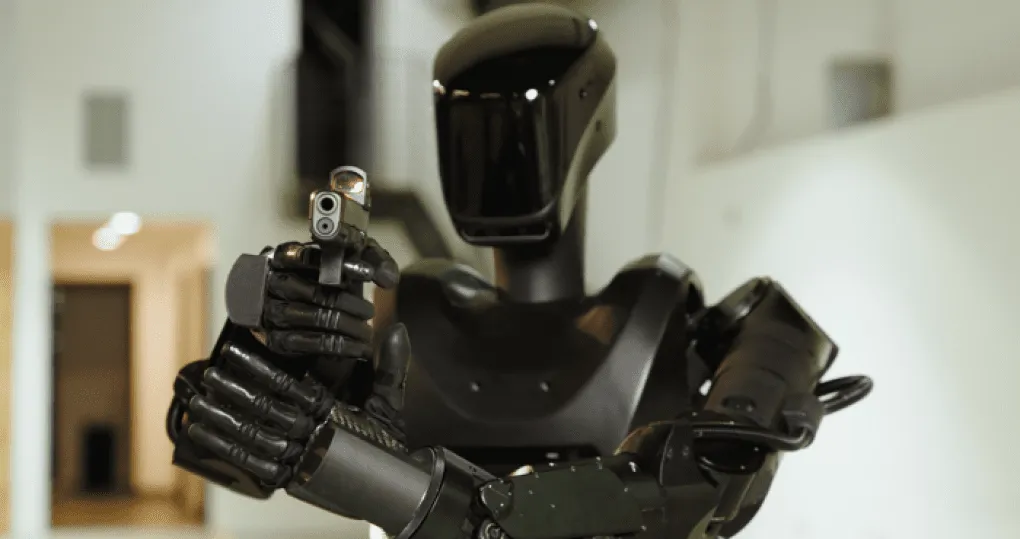
Phantom MK1 training on the 9mm pistol.
The war in Ukraine has accelerated military innovation. LeBlanc describes it as "a complete robot war," where robots are the primary fighters, and humans provide support. For companies like his, Ukraine offers a unique opportunity to refine technology based on real battlefield feedback.
The company has already secured $24 million in research contracts with the U.S. Army, Navy, and Air Force. The Phantom MK-1 is also set to participate in testing with the U.S. Marine Corps, where it will be trained to place explosives on doors to assist troops in breaching buildings.
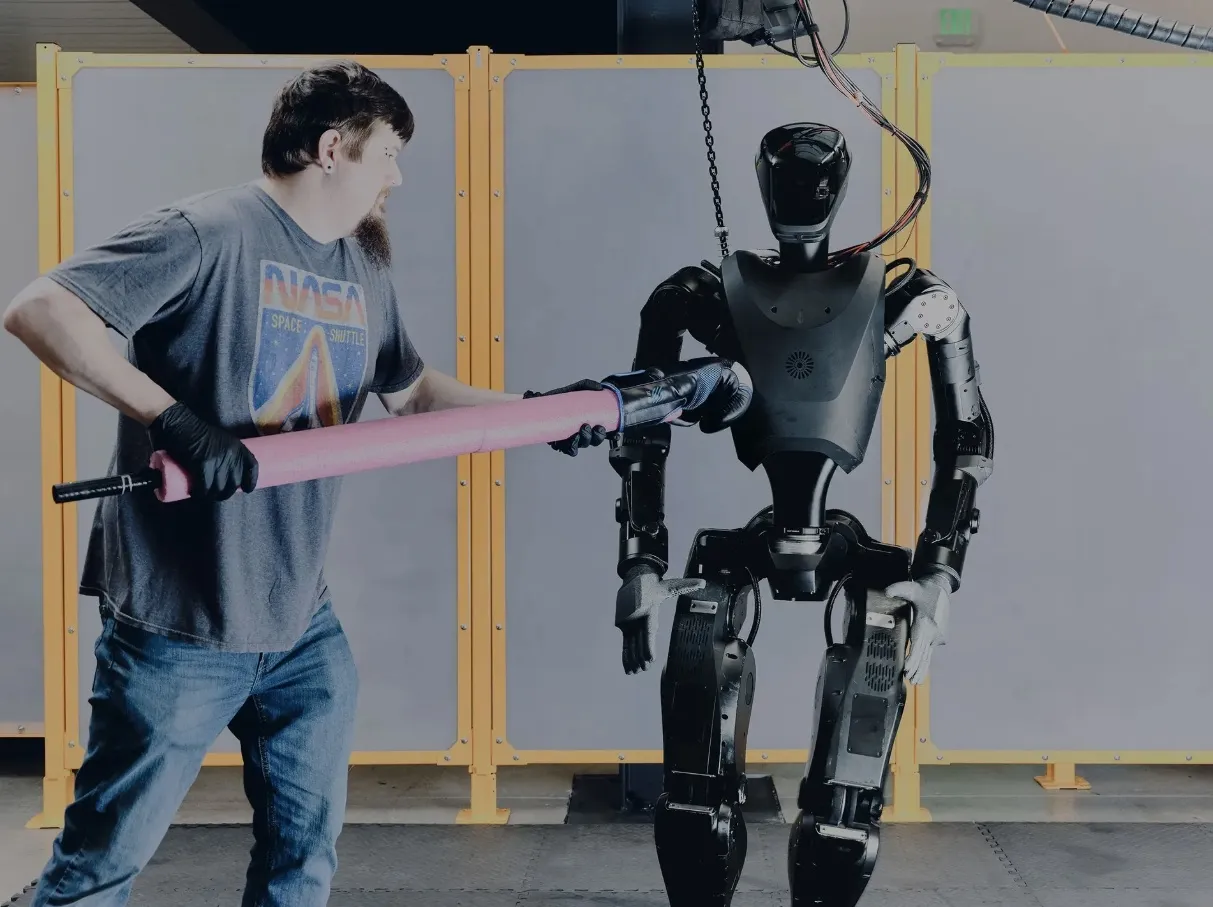
The Phantom MK-1 robot.
LeBlanc’s team is in talks with the U.S. Department of Homeland Security about using Phantom robots for patrol missions along the southern U.S. border. While these robots are still undergoing testing in controlled environments, such as factories and shipyards, advancements are being made.
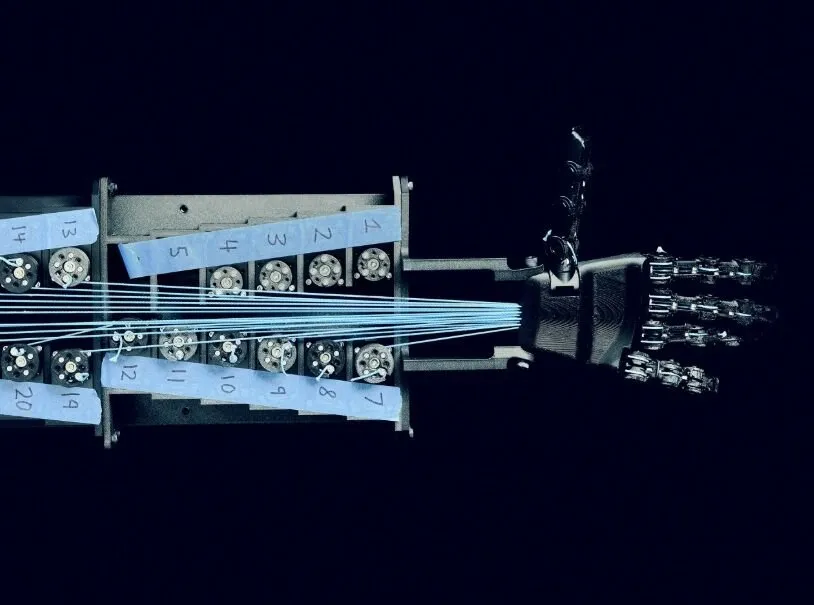
However, humanoid robots still face significant challenges. They are heavy, expensive, and prone to mechanical failures. Each unit relies on 20 motors to control movement, and even small malfunctions can disable them. They also require frequent recharging, limiting their operational time.
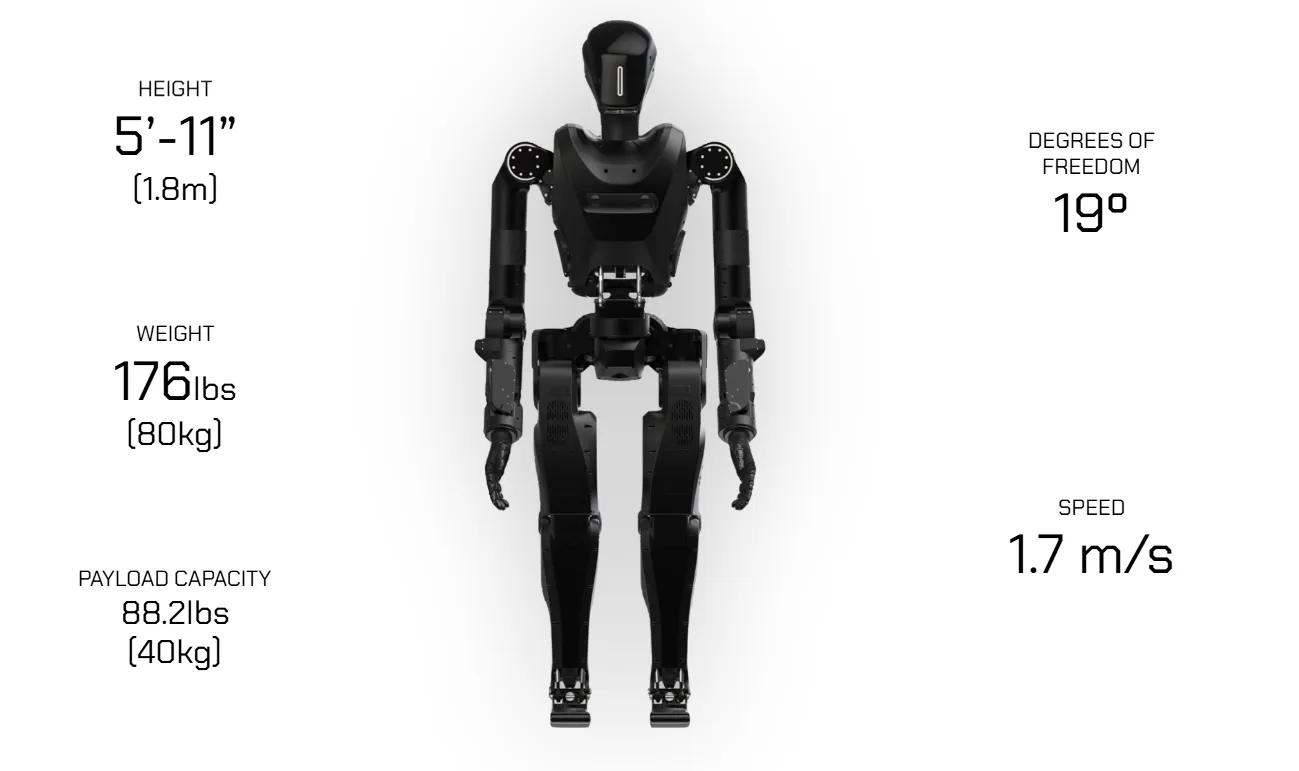
The Phantom MK-1 robot.
Experts also warn about the risks of deploying autonomous machines in combat. If a robot is hacked or compromised, it could pose severe security risks. Additionally, AI systems, including those used in Phantom, can make errors or "hallucinations" — generating incorrect or misleading information.
Despite these challenges, the development of humanoid robots continues. The Phantom MK-2, expected in April, will feature improved electronics, waterproofing, larger battery capacity, and the ability to carry heavier loads, addressing some of the current limitations.
Ultimately, LeBlanc envisions a future where robots, not humans, dominate the battlefield. As autonomous systems evolve, warfare could shift into a technological contest between machines.

