


Researchers at the University of Cambridge have developed a groundbreaking nanoelectronic device that could significantly reduce energy consumption in artificial intelligence (AI) hardware by mimicking the brain's processing capabilities. The device, based on a new form of hafnium oxide, functions as a memristor—a component designed to replicate the efficient behavior of neurons in the human brain. The results of this study were published in Science Advances.

A new brain-inspired nanoelectronic device offers a glimpse into a future where artificial intelligence
hardware consumes far less energy while becoming more adaptable. Credit: Shutterstock
Traditional AI systems use conventional computer chips that rely on data transfer between memory and processing units, consuming large amounts of energy. With the rapid growth of AI applications across industries, energy efficiency has become a critical challenge. Neuromorphic computing, inspired by the brain's structure, offers a potential solution by processing and storing data in the same location, significantly reducing power usage—by up to 70%.
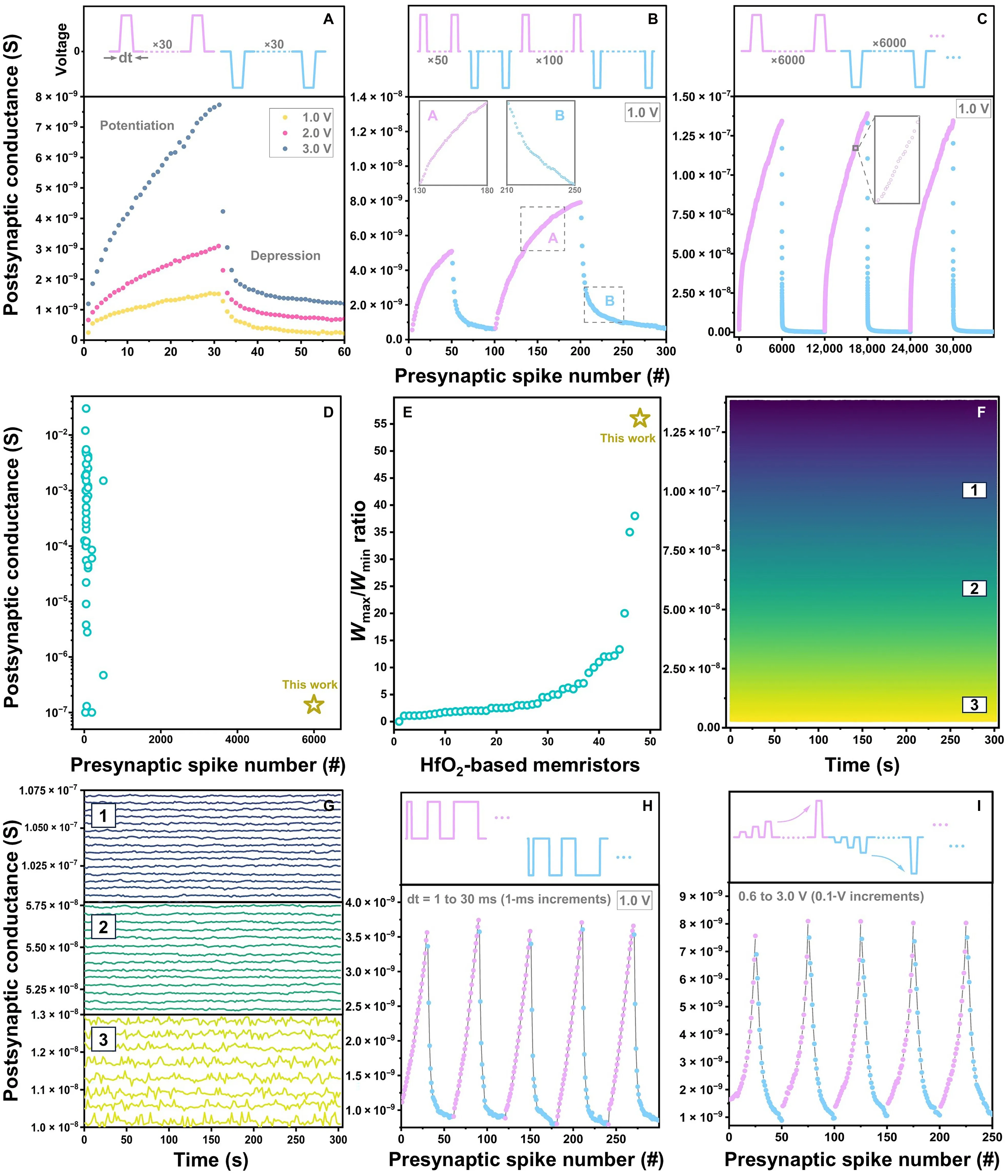
Neuromorphic characteristics (synaptic efficacy).
The Cambridge team's novel memristor overcomes limitations of traditional devices that rely on the formation of conductive filaments within metal oxides. These conventional memristors are prone to unpredictable behavior and high energy requirements. In contrast, the Cambridge device leverages a new approach in which hafnium-based thin films switch states through energy barrier modulation at material interfaces, rather than through filament formation. This method ensures greater stability and uniformity across cycles and devices.
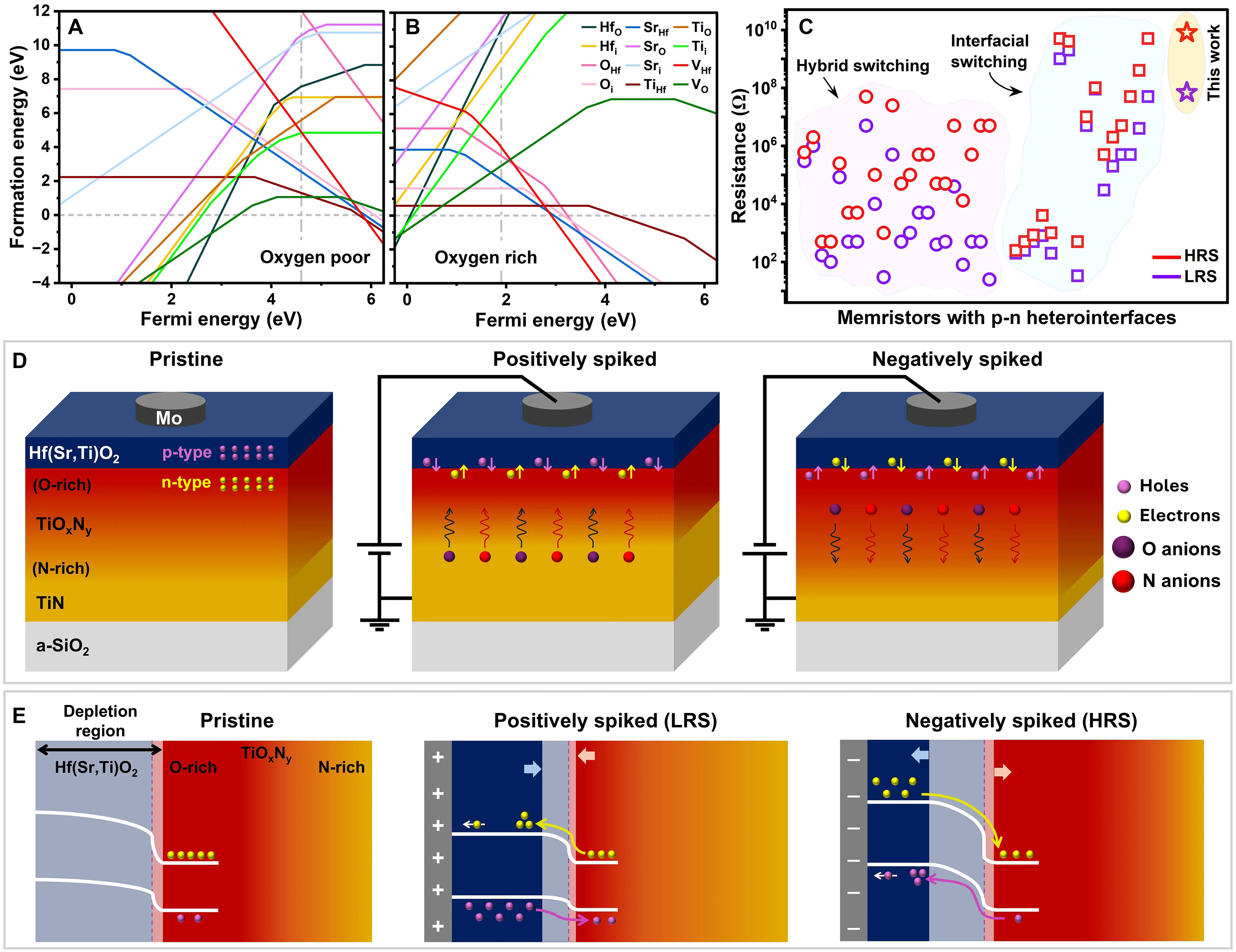
Principal characteristics and conductance modulation mechanism model.
Key advantages of the new memristor include extremely low switching currents, approximately one million times lower than conventional devices, and the ability to produce hundreds of stable conductance levels—essential for analog in-memory computing. Laboratory tests demonstrated that the devices could endure tens of thousands of switching cycles while storing programmed states for up to 24 hours. Furthermore, the memristors mimic biological learning mechanisms like spike-timing dependent plasticity, crucial for adaptive hardware.
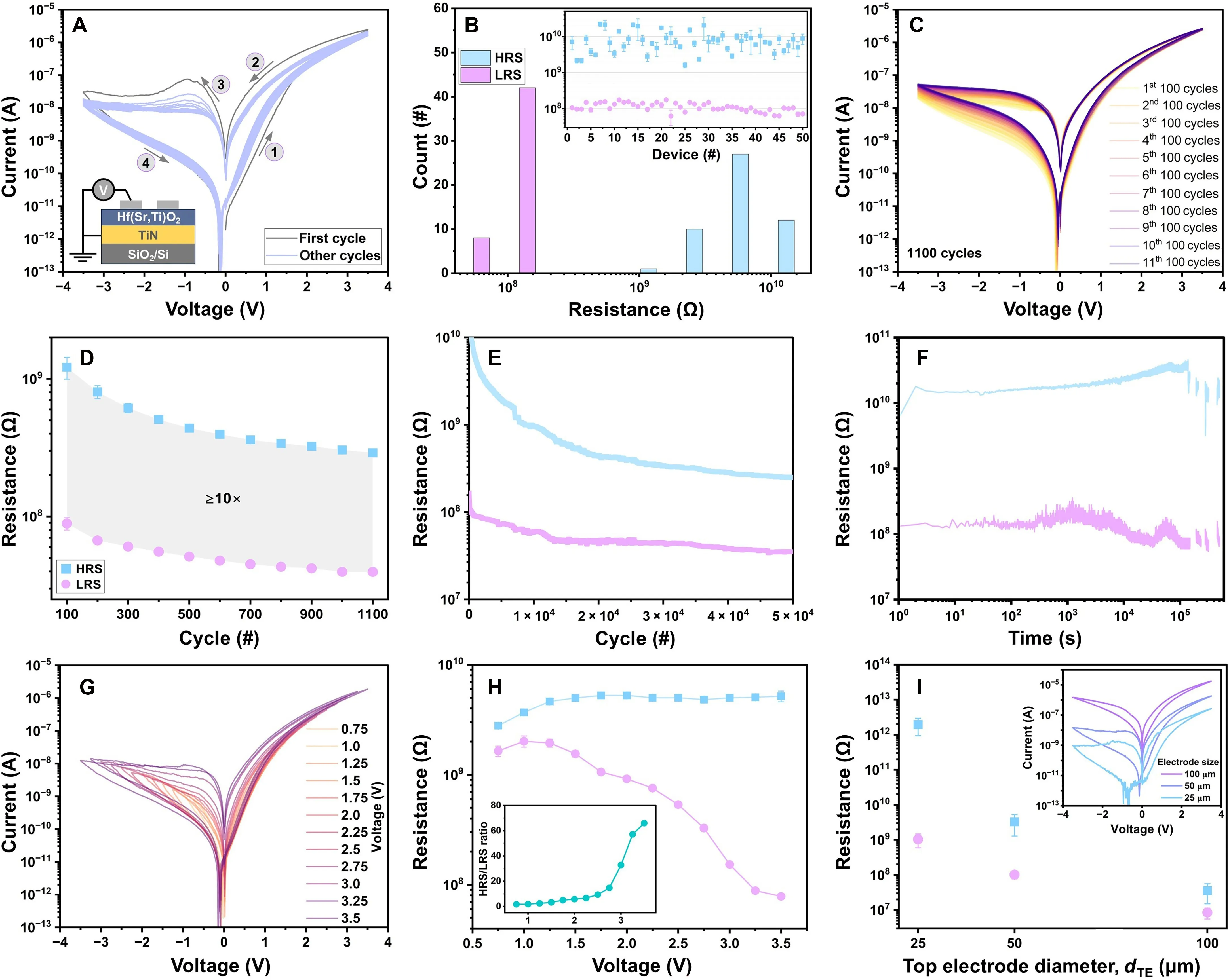
Memristive characteristics.
Despite its potential, the fabrication process currently requires temperatures around 700°C, higher than typical semiconductor manufacturing limits. Researchers are working on lowering the temperature to align with industry standards. If successful, this technology could be integrated into chip-scale systems, offering a major breakthrough in energy-efficient, adaptable AI hardware.
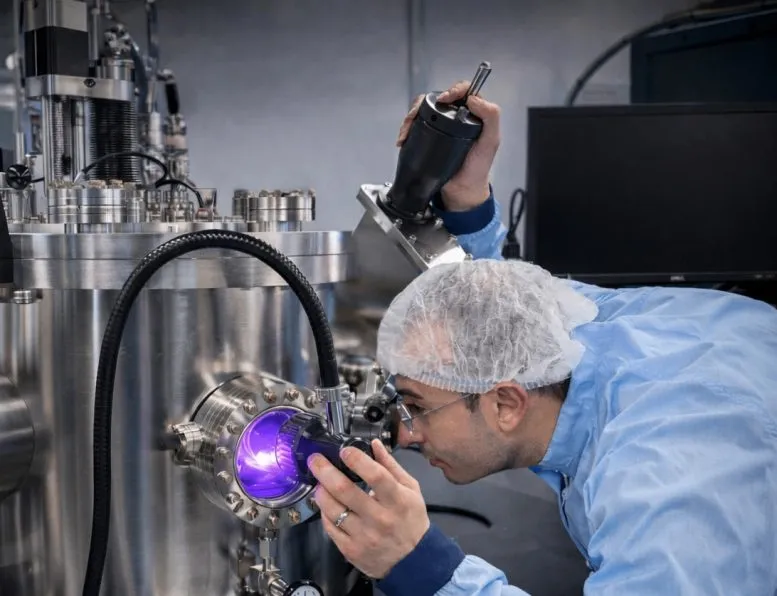
Babak Bakhit in lab. Credit: University of Cambridge
This research, funded by organizations including the Swedish Research Council, the Royal Academy of Engineering, and UK Research and Innovation, is still in its early stages. However, the results are promising, with the technology poised to revolutionize AI hardware by reducing energy consumption while enhancing device performance.

