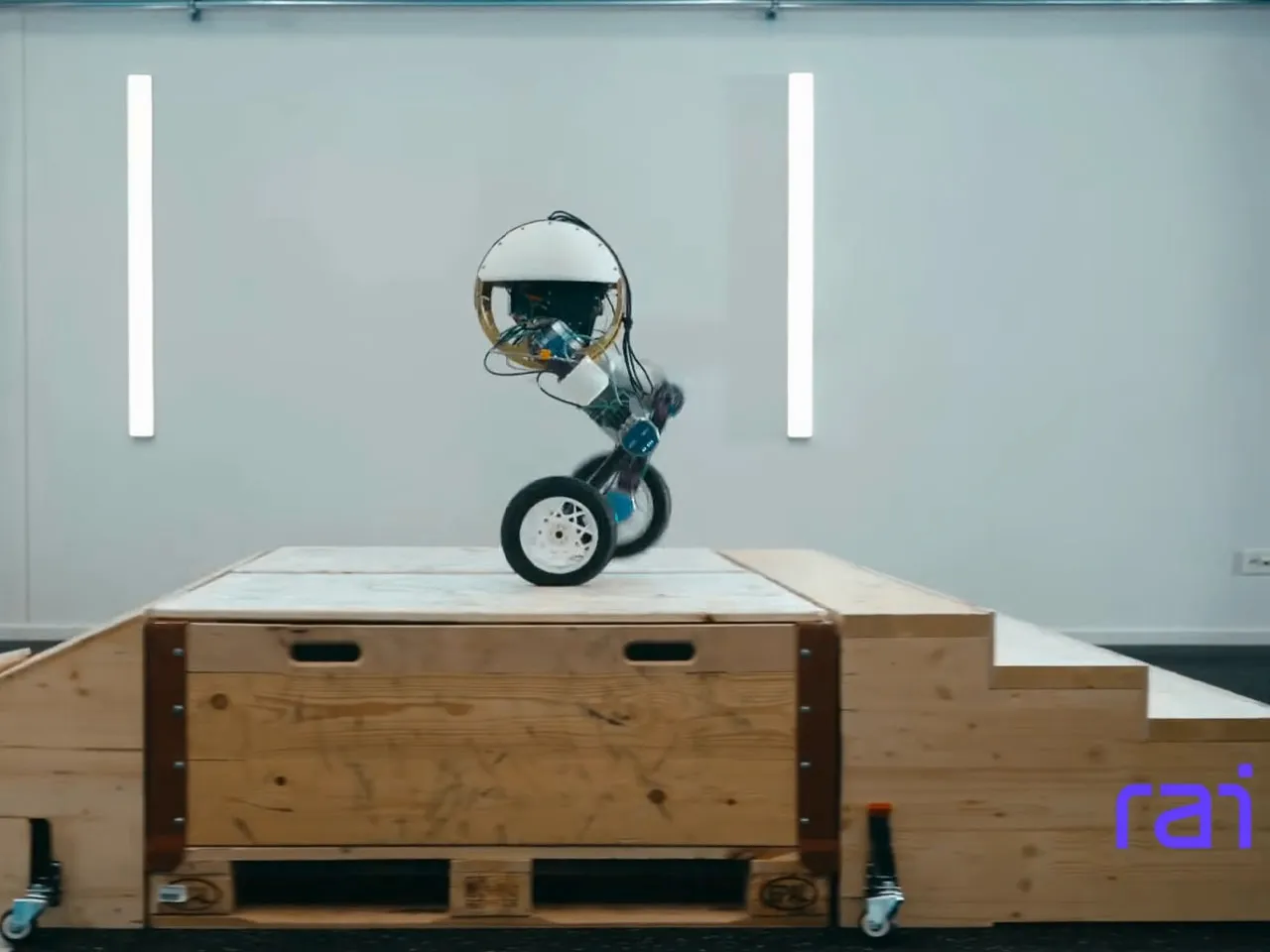
The Roadrunner is a groundbreaking bipedal-wheeled robot prototype designed to combine the agility of legs with the efficiency of wheels, offering unparalleled versatility in locomotion. Weighing 15 kilograms (33 pounds), the robot can seamlessly switch between different movement modes—side-by-side and in-line wheel configurations or bipedal walking—based on the terrain it encounters.
Its most remarkable feature is its ability to balance on one wheel and effortlessly navigate around obstacles, demonstrating advanced control and stability. Thanks to its symmetric knee joints and legs, Roadrunner can step over barriers, maintain stability, and switch between rolling and walking with ease. All of this is achieved without prior specific training for each individual task, showcasing the robot's impressive adaptability.
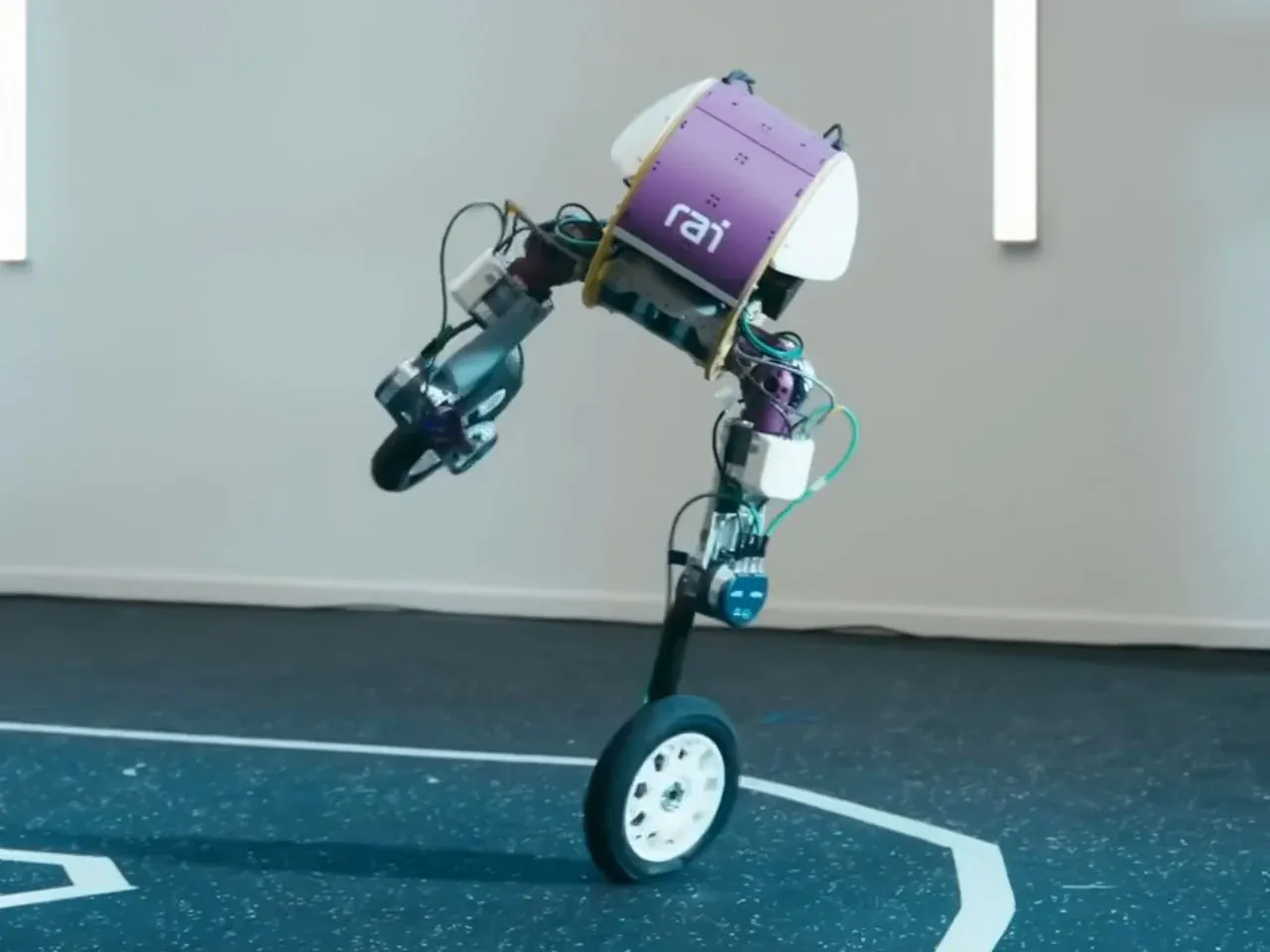
Roadrunner can rise from various positions on the ground, walk, or roll without the need for complex adjustments, making it an agile solution for dynamic environments. This multi-modal locomotion system, powered by a single control policy, allows the robot to optimize its movements in real-time, adapting to different navigation challenges effortlessly.
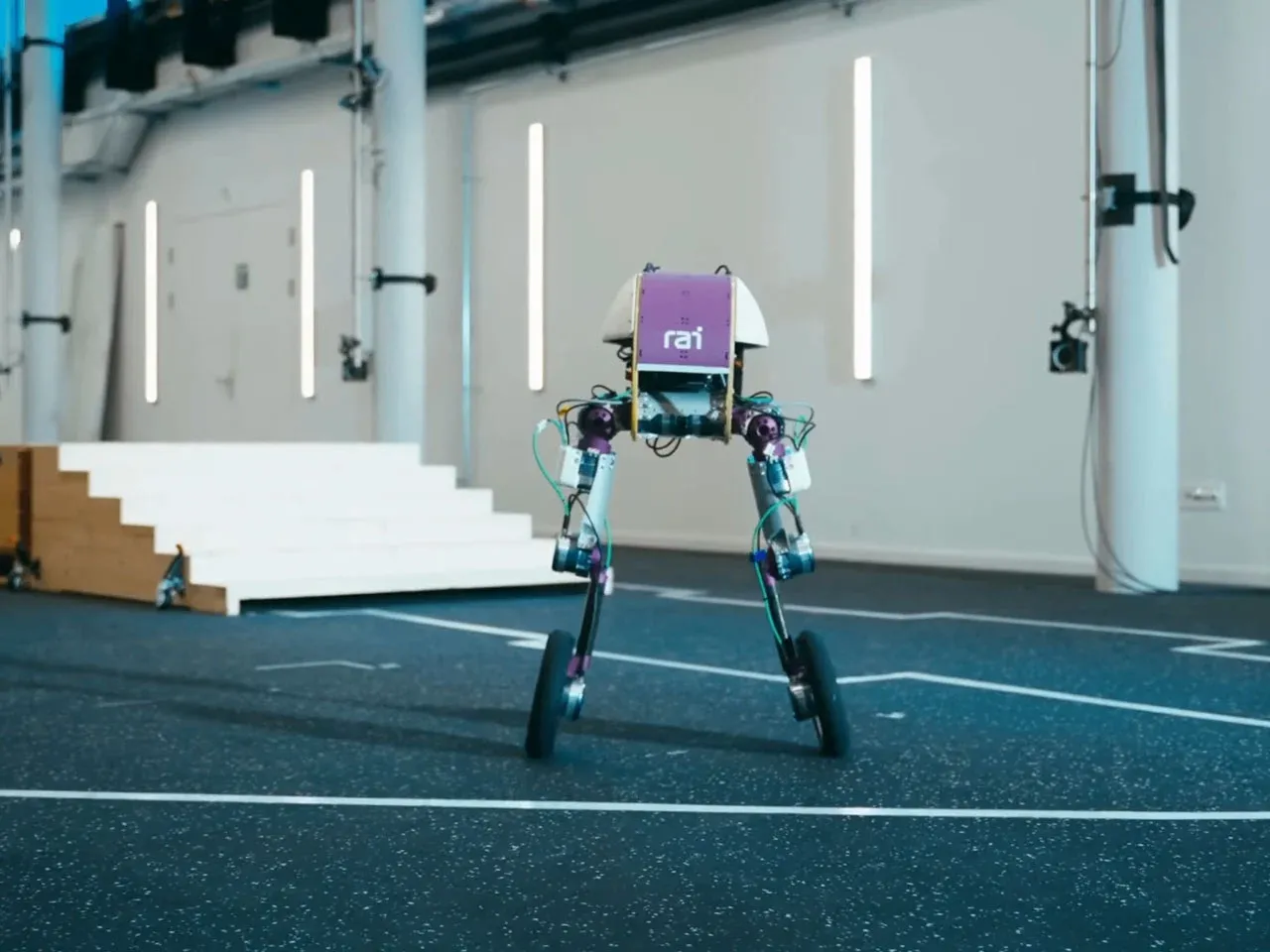
Positioned as a research platform, Roadrunner moves beyond the limitations of traditional legged humanoid robots, which often struggle with mobility and speed. Its combination of legged and wheeled movement offers more efficient navigation in difficult and hazardous environments, with potential applications ranging from disaster response to locations that are too dangerous for humans to access. As the technology advances, the Roadrunner could redefine the future of versatile, agile robots.