


Abstract:A Dutch-backed iron powder fuel technology offers high-temperature, carbon-free industrial heat through a recyclable combustion cycle, poised to scale from pilot projects to commercial deployment in Europe.
A Dutch spin-off from Eindhoven University of Technology has recently secured over €100 million to scale a novel energy technology that burns iron powder to generate heat without CO₂ emissions. The funding will support the transition from pilot testing to commercial implementation, with a new factory likely to be built in Antwerp or Rotterdam, where grid capacity can support industrial operations.
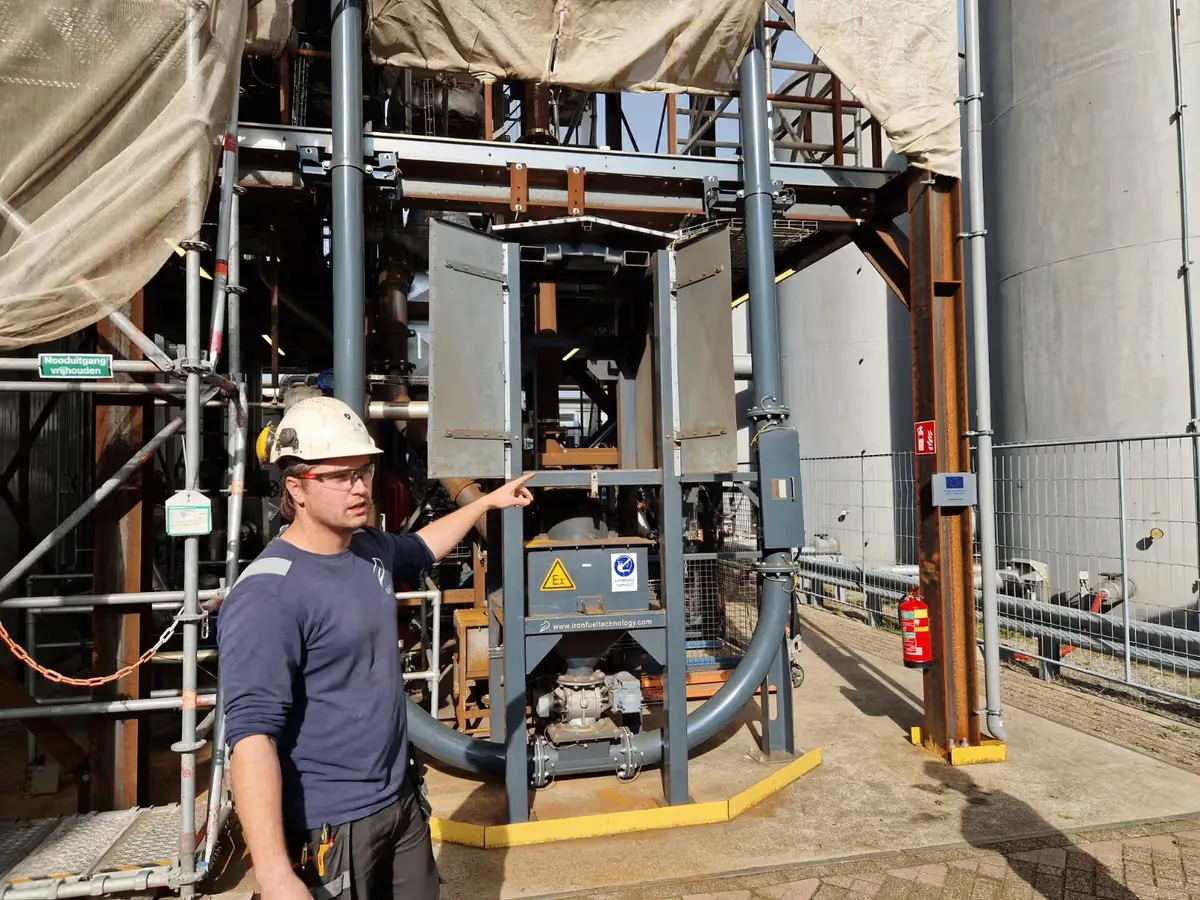
The principle behind iron powder fuel is straightforward chemistry. When iron powder combusts in a high-temperature boiler, flames can reach 2,000°C, producing heat suitable for industrial processes such as brick firing, metalworking, and chemical synthesis. Unlike electric heat pumps, which struggle to reach such temperatures efficiently, iron powder can deliver intense, controllable heat on demand.
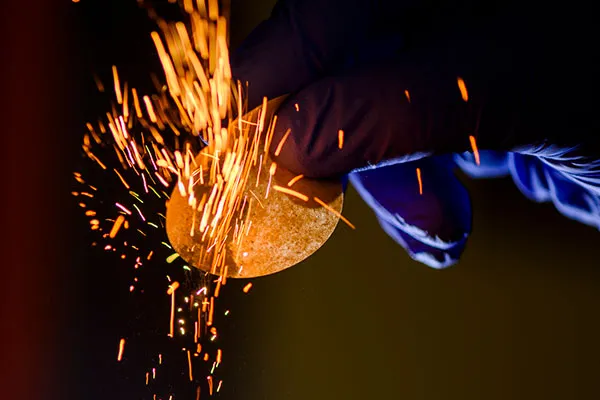
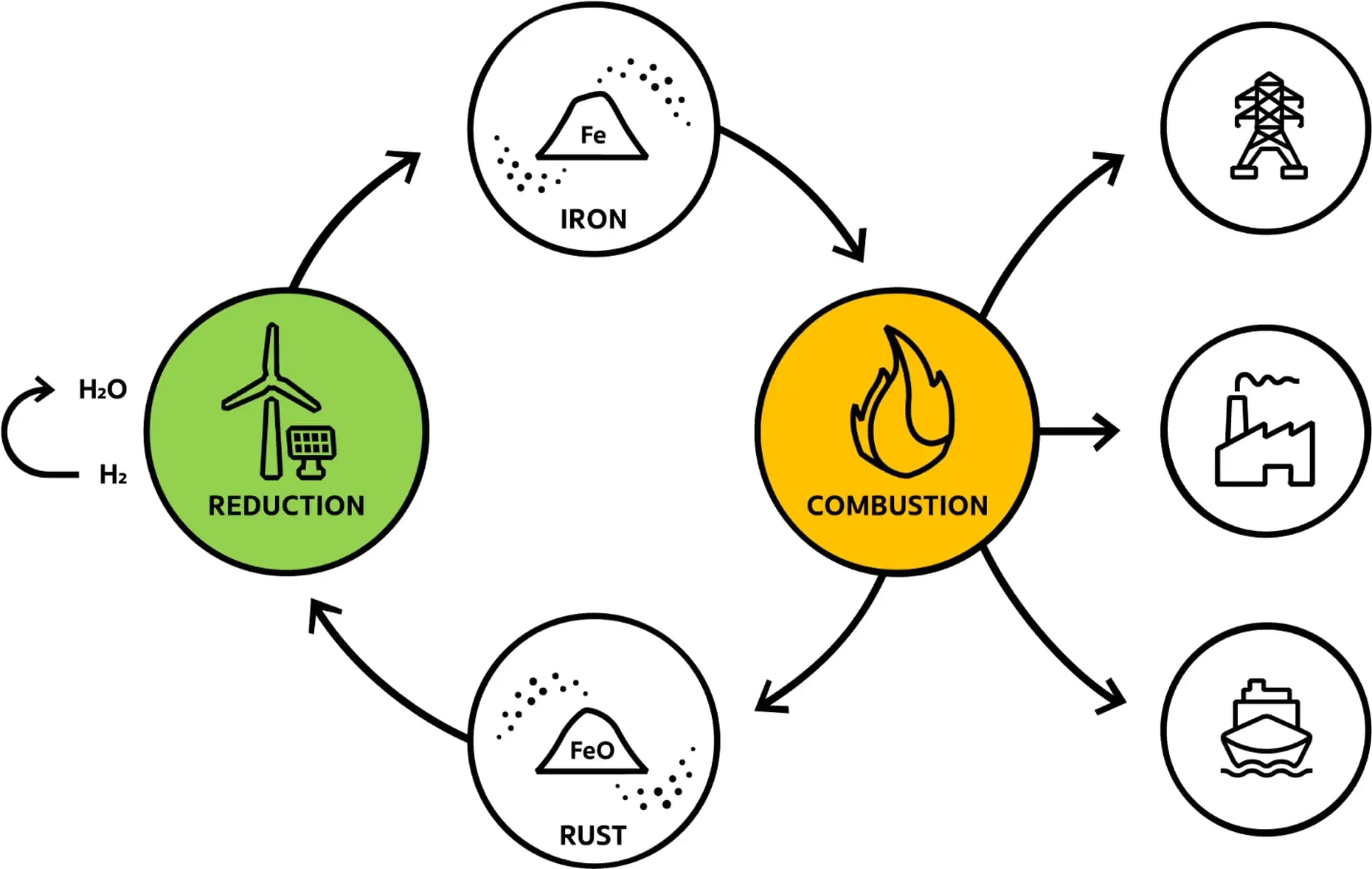
Combustion produces only iron oxide, commonly known as rust, as a byproduct. This rust can be regenerated into iron powder using hydrogen, creating a closed-loop system that emits only water. This cycle effectively turns iron into a reusable medium for high-temperature energy, functioning as a thermal battery for industrial applications.
Pilot projects in the Netherlands have demonstrated the potential of iron powder fuel to replace traditional gas boilers. Initial installations are expected to provide hundreds of gigawatt-hours of heat annually while avoiding millions of tonnes of CO₂ over their operational lifetime. The system integrates with existing industrial infrastructure, minimizing the need for major retrofitting.
As Europe seeks carbon-free solutions for energy-intensive industries, iron powder fuel represents a promising option. By combining high-temperature performance with a fully recyclable combustion loop, this technology could play a strategic role in decarbonizing industrial heat production across the region.

