


Summary (one sentence): Co-Packaged Optics (CPO) is set to revolutionize AI computing and data center interconnects in 2026, boosting bandwidth, reducing power consumption, and driving mass adoption by Samsung, NVIDIA, and TSMC.
Co-Packaged Optics (CPO): Accelerating AI Computing at the Speed of Light
Co-Packaged Optics (CPO) is emerging as a critical technology for AI and hyperscale data centers. By integrating optical engines directly with switch chips and AI accelerators using advanced 2.5D/3D packaging, CPO reduces electrical signal paths from centimeters to millimeters. This integration lowers system power consumption by 30%-50% while tripling bandwidth density, enabling support for 1.6T, 3.2T, and even higher data rates.
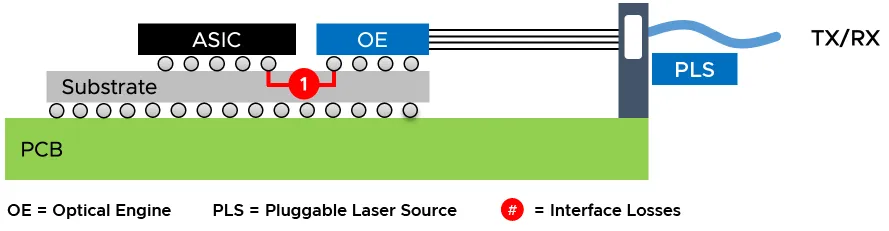

Figure:Comparison of power consumption between pluggable optical devices and co-packaged optics
2026 marks the commercial breakthrough for CPO, widely regarded as its “first year of commercialization.” The technology has evolved from lab validation to mixed 2.5D/3D integration. Key processes such as thermocompression (TC) bonding and Cu-Cu hybrid bonding have matured. 1.6T products are already in mass production, and 3.2T systems have successfully completed validation. Supply chain collaboration across chips, packaging, and optical devices has enhanced yield and reliability, paving the way for large-scale deployment.
Samsung Electronics has joined the CPO race. At the March 2026 OFC Conference, Samsung announced its CPO strategy: 300mm silicon photonics wafer production begins in late 2026, TC-bonded optical engine mass production in 2027, and full turnkey CPO foundry services by 2029. This positions Samsung as a major industrial player in the CPO ecosystem.
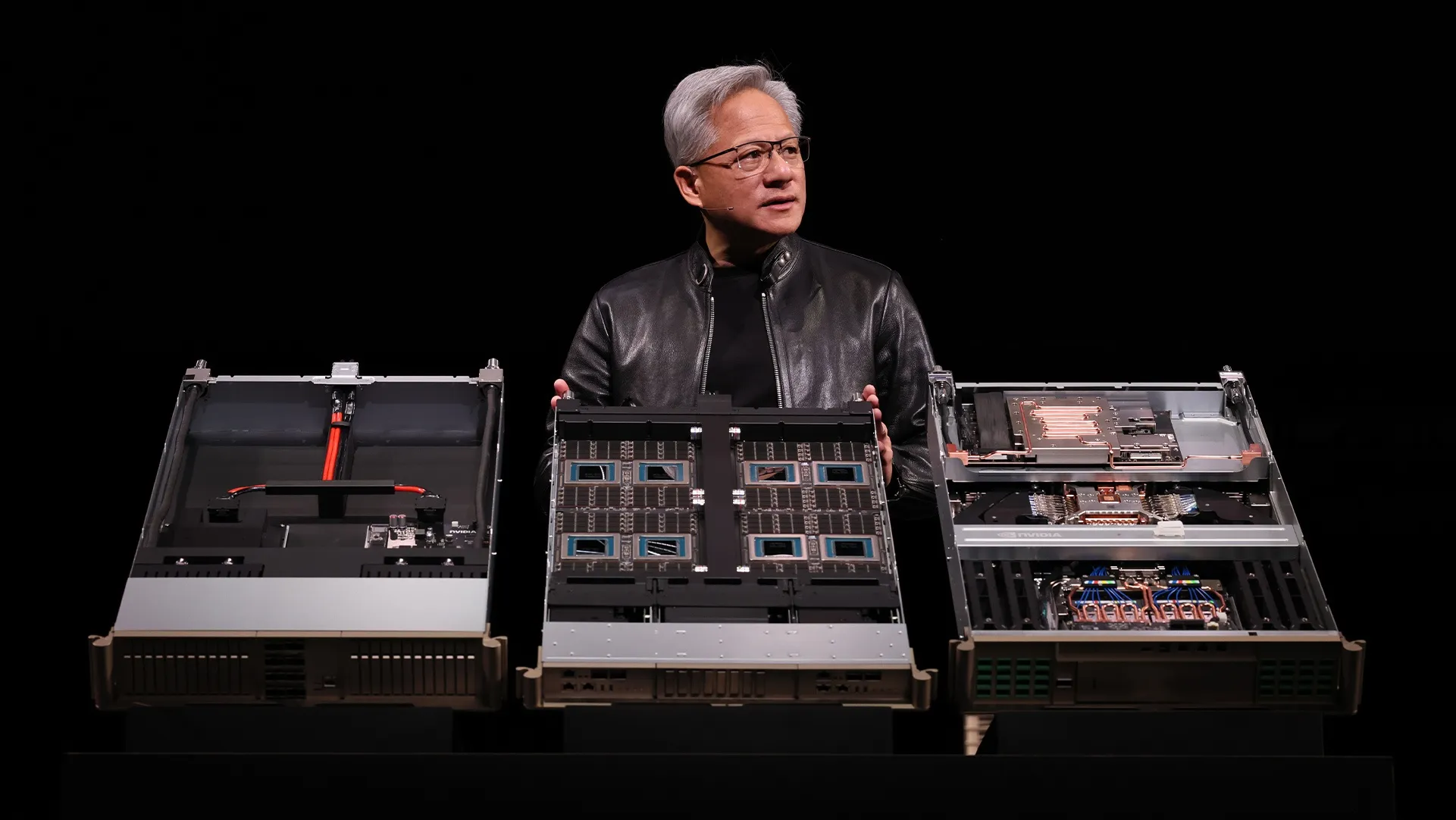
NVIDIA, a leader in AI computing, is driving system-level CPO adoption. At the 2026 GTC conference, NVIDIA introduced the Quantum-3400, the world’s first deep CPO switch, reducing signal paths to just 1 millimeter and cutting loss by 60%. NVIDIA also invested $500 million in Corning to build a dedicated optical fiber factory, aiming to increase optical interconnect capacity tenfold for AI data centers.
TSMC controls the cutting edge of CPO advanced packaging. Its COUPE photonics engine, featuring SoIC-X 3D stacking and Cu-Cu hybrid bonding, powers core CPO platforms for NVIDIA, Broadcom, and other leading companies. Broadcom’s 51.2T Bailly CPO switch is in limited shipment, with the next-generation 102.4T Davisson chip ready for launch. Together, these global tech leaders are accelerating CPO adoption, establishing it as a standard for next-generation AI data centers.

