


Summary:2026 could mark the beginning of a major shift in EV batteries, driven by silicon anodes, solid-state technology, ultra-fast charging, and new low-cost chemistries.
For years, the EV battery conversation was dominated by Tesla and large cylindrical cells. But the next phase of the industry is becoming far more competitive — and far more technological.
One of the biggest breakthroughs is happening in silicon-based batteries. Compared with traditional graphite anodes, silicon can store significantly more lithium, opening the door to higher energy density and longer driving range. New silicon-carbon (Si/C) batteries are expected to increase silicon content to nearly 30%, helping next-generation EV packs reach 220–260Wh/kg without dramatically increasing size or weight.
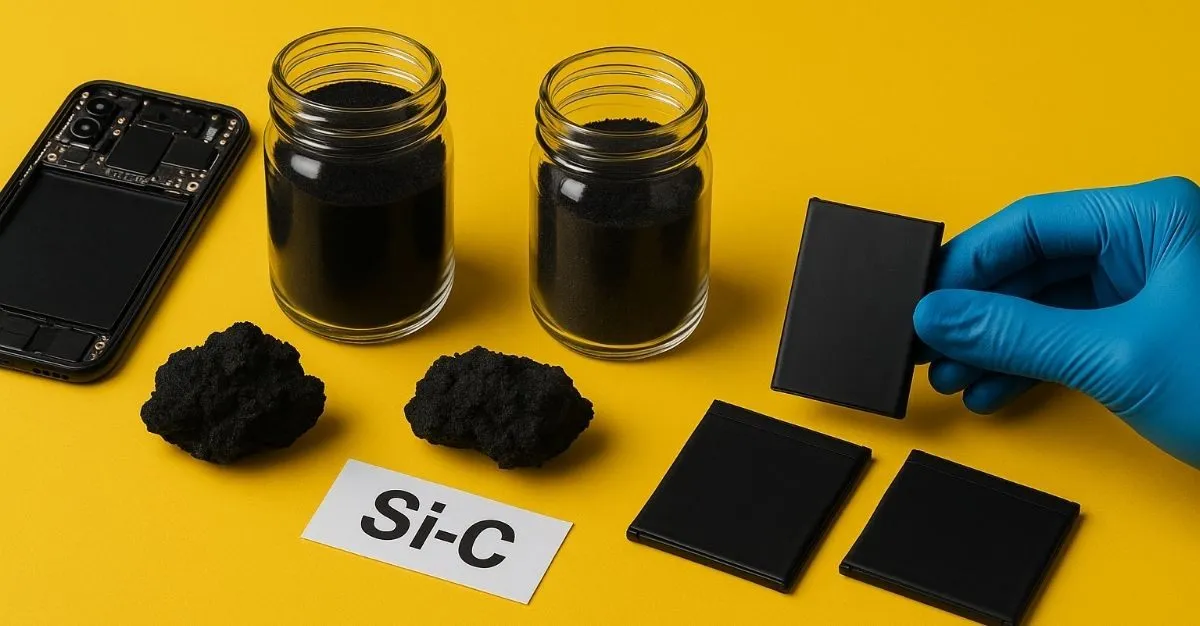
At the same time, silicon-oxide (SiOx) batteries are moving closer to commercialization. Advanced nano-porous materials and flexible binders are helping engineers solve the expansion problems that once limited silicon battery life.
Solid-state batteries are also accelerating toward real-world deployment. Automakers and battery manufacturers across Asia, Europe, and the U.S. are now focusing less on laboratory prototypes and more on production scalability, safety, and cost reduction. Many industry observers believe premium EVs could begin adopting early solid-state platforms before 2030.
Charging technology is evolving just as quickly. New 4C and 6C ultra-fast charging systems are pushing EVs closer to the goal of adding hundreds of kilometers of range in under 10 minutes. Meanwhile, ultra-thin and thick-electrode architectures are improving both charging efficiency and battery energy density.
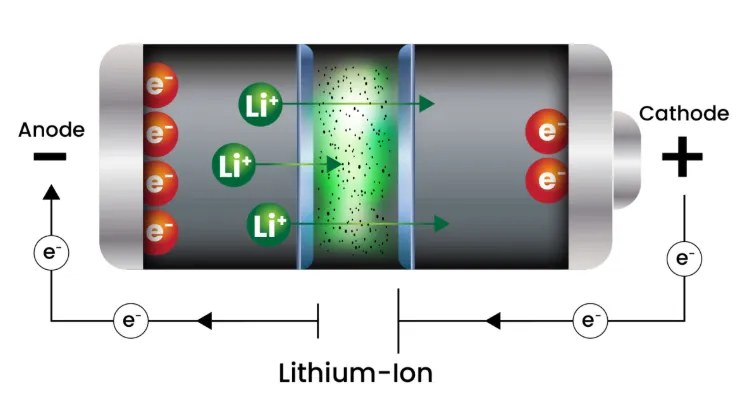
Another emerging trend is sodium-ion batteries. While they cannot yet match lithium-ion performance, they offer lower costs, improved low-temperature performance, and reduced dependence on critical minerals — making them attractive for affordable EVs and large-scale energy storage.
| 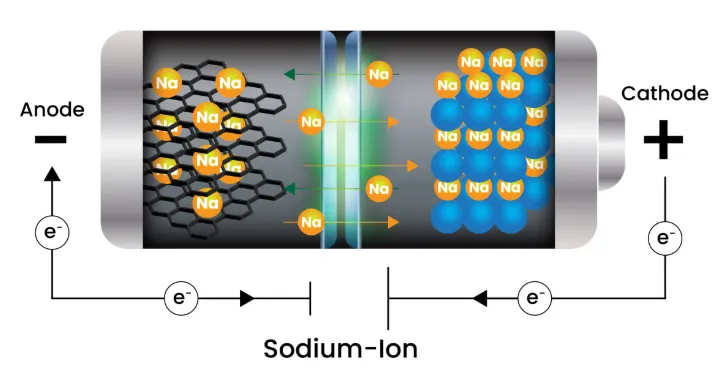 |
| Today's Li-lon Batteries | Tomorrow's Na-lon Batteries |
The global battery race is no longer just about bigger batteries. It is becoming a competition in materials science, manufacturing efficiency, charging ecosystems, and supply-chain control — and 2026 may be the year this transition truly begins.

