


Summary:Valar Atomics and NVIDIA have demonstrated a grid-independent nuclear-powered AI computing system in Utah, linking a Ward 250 microreactor with NVIDIA Blackwell GPUs to explore zero-carbon, low-water AI infrastructure.
San Rafael Energy Laboratory, Utah, USA — July 2, 2026 — Valar Atomics and NVIDIA have completed a demonstration that connects an advanced microreactor with NVIDIA Blackwell AI computing hardware, marking a significant step toward grid-independent AI infrastructure powered by clean nuclear energy.
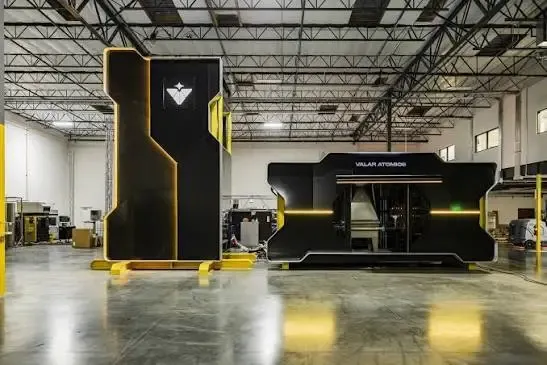
The test used Valar Atomics’ Ward 250 high-temperature gas-cooled microreactor to provide dedicated electricity for NVIDIA Blackwell B200 GPUs, allowing AI workloads to operate without relying on municipal power grids. The demonstration highlights a potential new model for future AI data centers facing growing challenges from electricity demand, grid capacity constraints, and carbon reduction requirements.
The Ward 250 microreactor uses helium cooling and TRISO fuel technology, generating approximately 100 kW of usable electrical output from a 250 kW thermal system. Unlike traditional water-cooled nuclear facilities, the design significantly reduces freshwater consumption, supporting applications in regions with limited water resources.
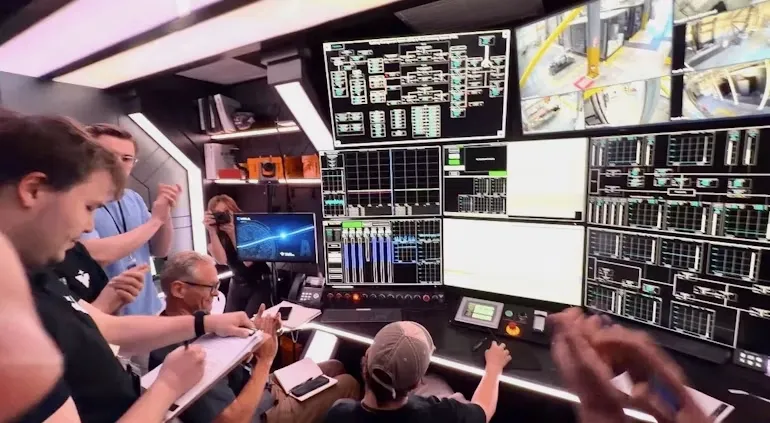
The Ward 250, a Generation IV high-temperature gas reactor, recently achieved first criticality. CourtesyValar Atomics.
The NVIDIA Blackwell platform used in the test is designed for large-scale AI workloads, including advanced generative AI models and trillion-parameter systems. The companies said future commercial deployments could combine multiple microreactors with GB200 Grace-Blackwell systems to create standalone nuclear AI data centers.
The demonstration also emphasized safety separation between the two systems. The reactor’s control and protection networks remain fully isolated, while NVIDIA GPUs only receive electrical power and do not interact with nuclear safety systems.
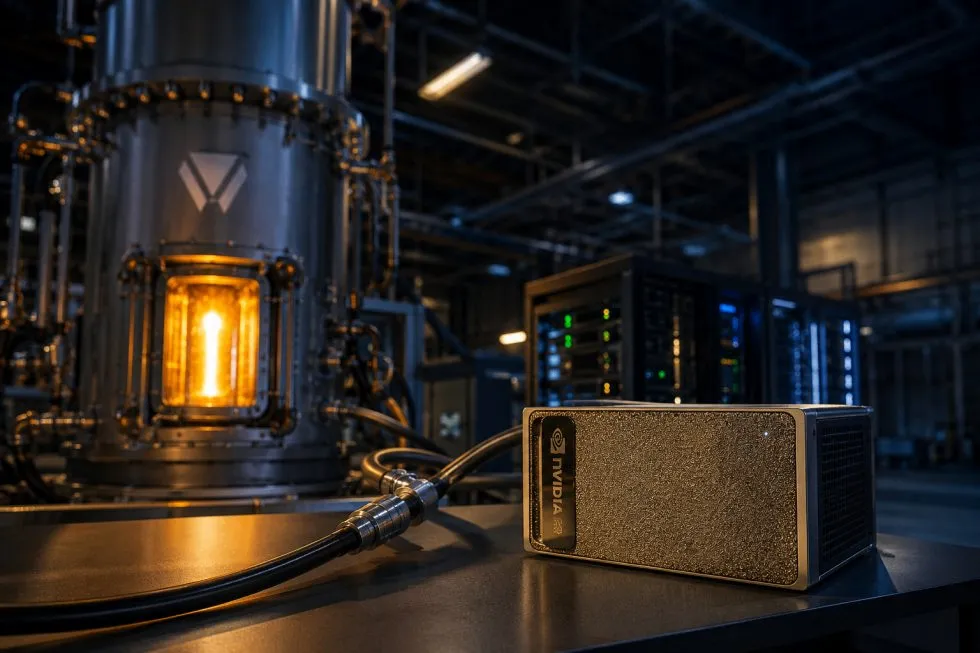
Valar Atomics and NVIDIA plan to develop a larger nuclear-powered AI campus in Utah, exploring standardized designs for future deployment across global markets. The project reflects a growing industry trend toward nuclear energy solutions for sustainable AI infrastructure, as demand for high-performance computing continues to accelerate.

