


Summary:Scientists have engineered a next-generation COF-graphene composite material that stabilizes lithium-sulfur batteries by controlling polysulfide reactions at the molecular level, offering a pathway toward longer-lasting, high-energy storage systems.
Researchers have developed a novel molecularly designed interlayer material that could accelerate the commercialization of high-energy lithium-sulfur batteries. The advanced material, known as TUS-44@G, combines a covalent organic framework (COF) with conductive graphene to improve battery stability, energy density, and cycle life.

The molecularly engineered interface helps stabilize lithium-sulfur batteries during cycling.
The core of the innovation is the tetrathiafulvalene-crown ether covalent organic framework (TUS-44), a precisely engineered porous material with specialized chemical sites. Its imine nitrogen, crown-ether oxygen, and sulfur-rich tetrathiafulvalene structures can strongly interact with lithium polysulfides, preventing their unwanted migration inside the battery.
This molecular-level control addresses the long-standing polysulfide shuttle effect, a major challenge limiting lithium-sulfur battery technology. Instead of acting as a simple physical barrier, the COF-based material actively captures sulfur species and helps regulate their conversion during charge and discharge cycles.
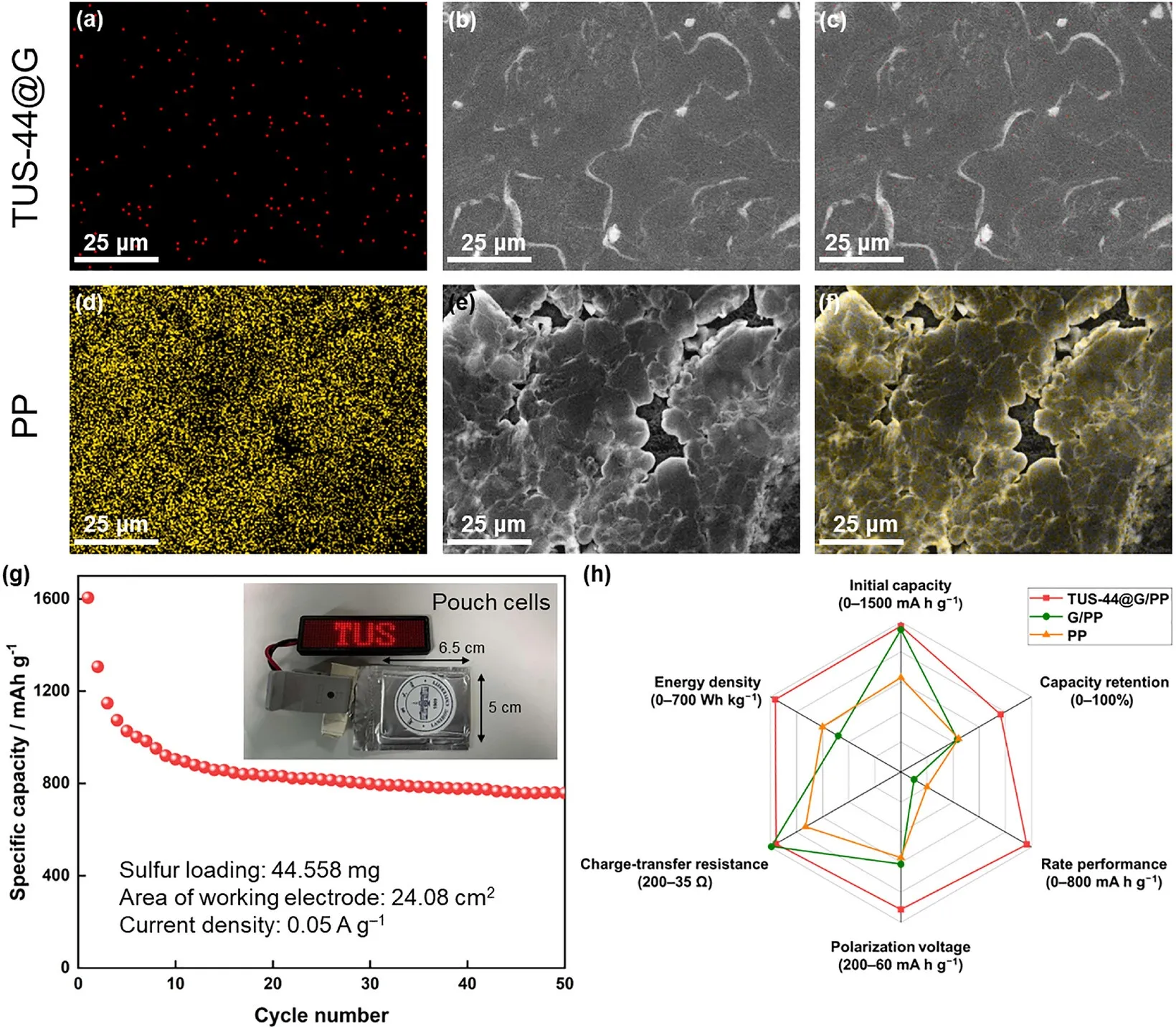
By integrating TUS-44 with graphene, researchers created a lightweight conductive composite layer. Graphene provides rapid electron transport pathways, while the COF structure enhances polysulfide anchoring and sulfur reaction efficiency.
In laboratory tests, lithium-sulfur batteries equipped with the TUS-44@G interlayer achieved a reversible capacity of 1,455.7 mAh g⁻¹ and maintained stable operation over 1,000 charge-discharge cycles, with capacity fading of only 0.034% per cycle. A pouch cell using the material reached an initial energy density of approximately 674 Wh kg⁻¹.
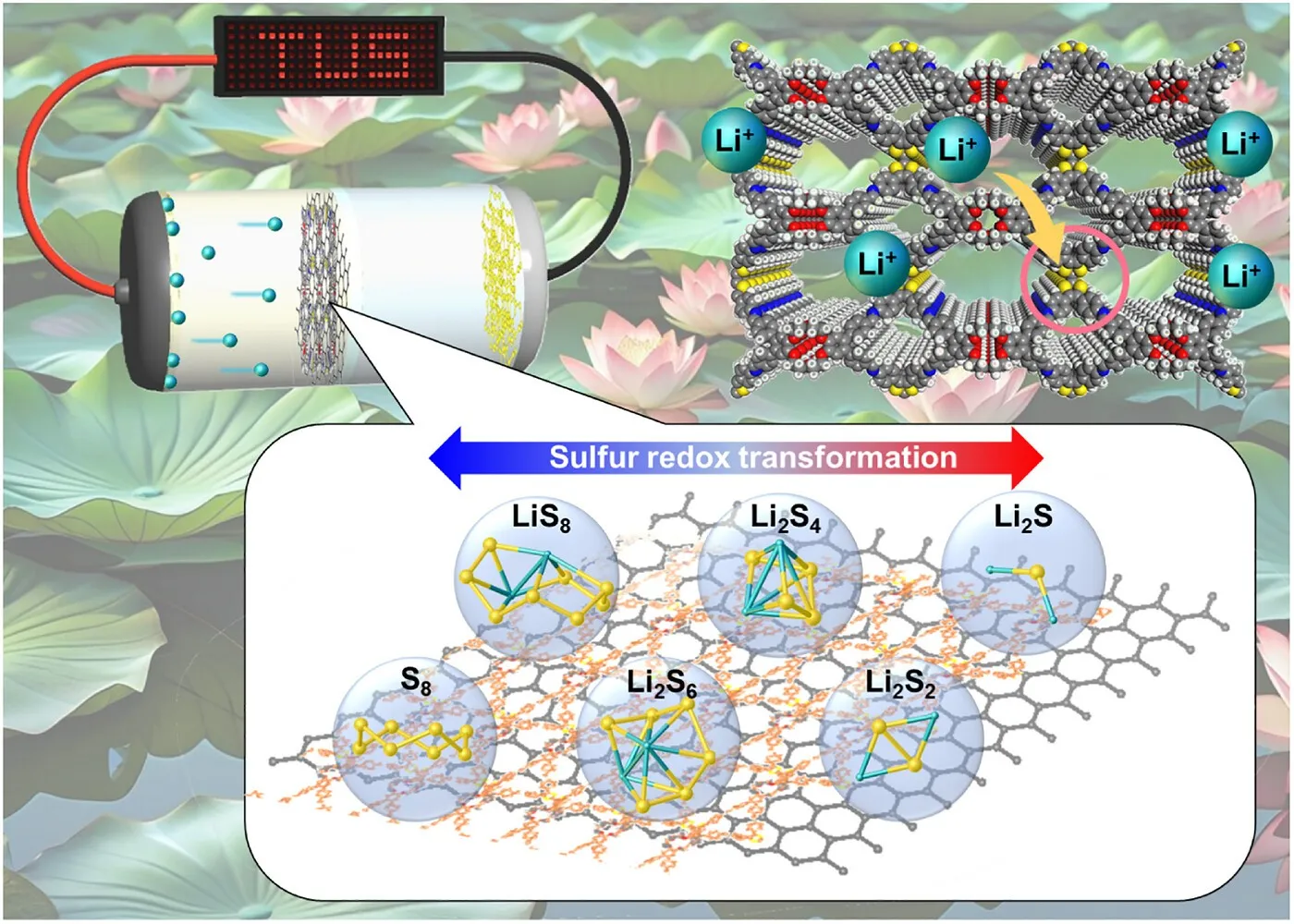
The development highlights the potential of covalent organic frameworks, graphene composites, and molecularly engineered battery materials to enable next-generation energy storage solutions for electric vehicles, aviation, and large-scale renewable energy systems.

