


Summary:A new generation of triboelectric nanogenerators uses electrostatic discharge technology to overcome traditional output limitations, achieving higher current, direct-current generation, and self-powered applications in sensors, environmental protection, and smart energy systems.
As the Internet of Things (IoT), artificial intelligence, and intelligent sensing systems continue expanding, the demand for sustainable and self-powered energy technologies is increasing rapidly. A new generation of triboelectric nanogenerators (TENGs) is addressing one of the biggest challenges in energy harvesting: low current output and limited practical applications.
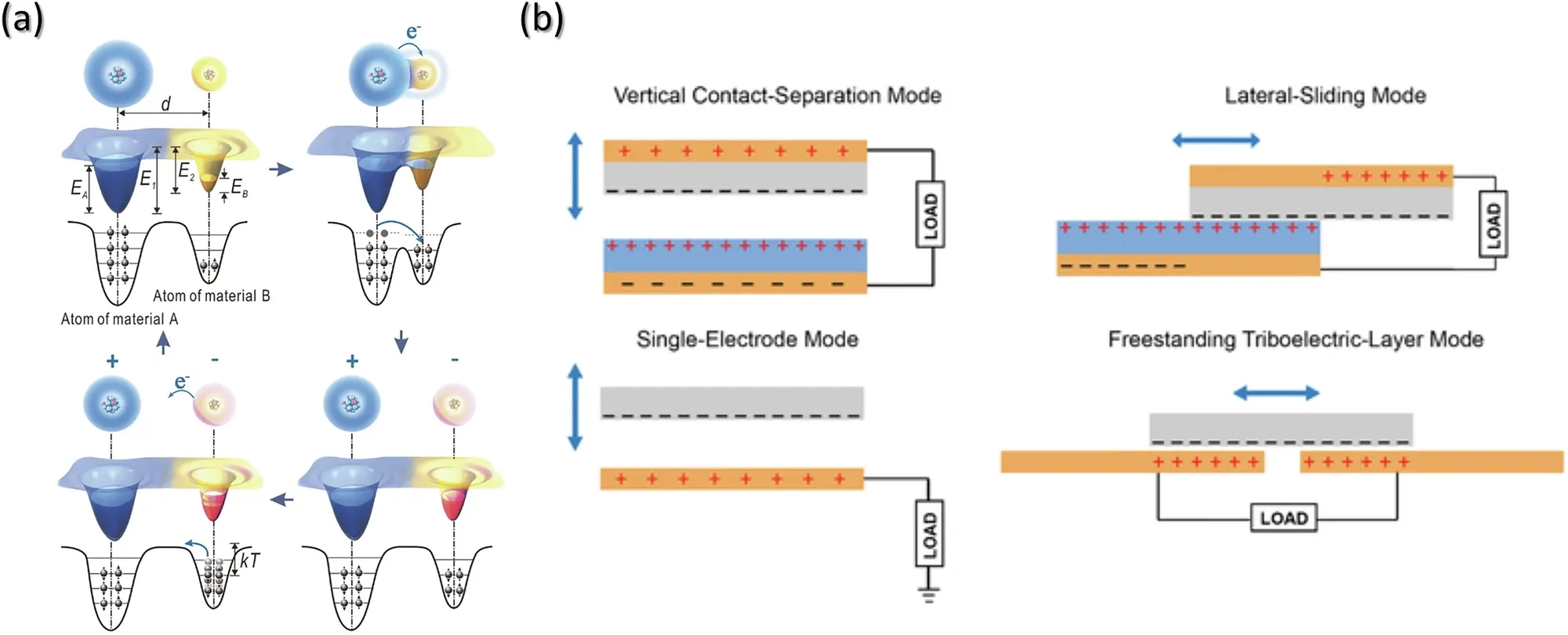 Working mechanism of general TENGs.
Traditional TENG devices generate electricity by converting mechanical motion into electrical energy through the triboelectric effect and electrostatic induction. They offer advantages such as lightweight structures, flexible material selection, and the ability to harvest low-frequency mechanical energy from human movement, wind, and environmental vibrations. However, their commercialization has been restricted by extremely low current outputs, typically in the nanoampere-to-microampere range, and their dependence on pulsed alternating-current (AC) signals.
A breakthrough approach introduces electrostatic discharge (ESD)-based TENG technology, which significantly improves electrical performance by using the electron avalanche effect. During ESD, accelerated electrons collide with gas molecules, generating additional free electrons and creating a rapid amplification of current flow. This mechanism enables TENG systems to increase output from the microampere level toward the milliampere-to-ampere range, overcoming a major barrier for practical deployment.
Unlike conventional TENGs that mainly produce AC pulses, ESD-based TENGs can also generate direct-current (DC) output. By using the air gap between electrodes as a temporary electrical switch, the technology controls charge movement and enables stable DC power generation. Researchers have developed various ESD-TENG architectures, including contact-separation designs, sliding structures, and advanced integrated systems, demonstrating improved power output and operational flexibility.
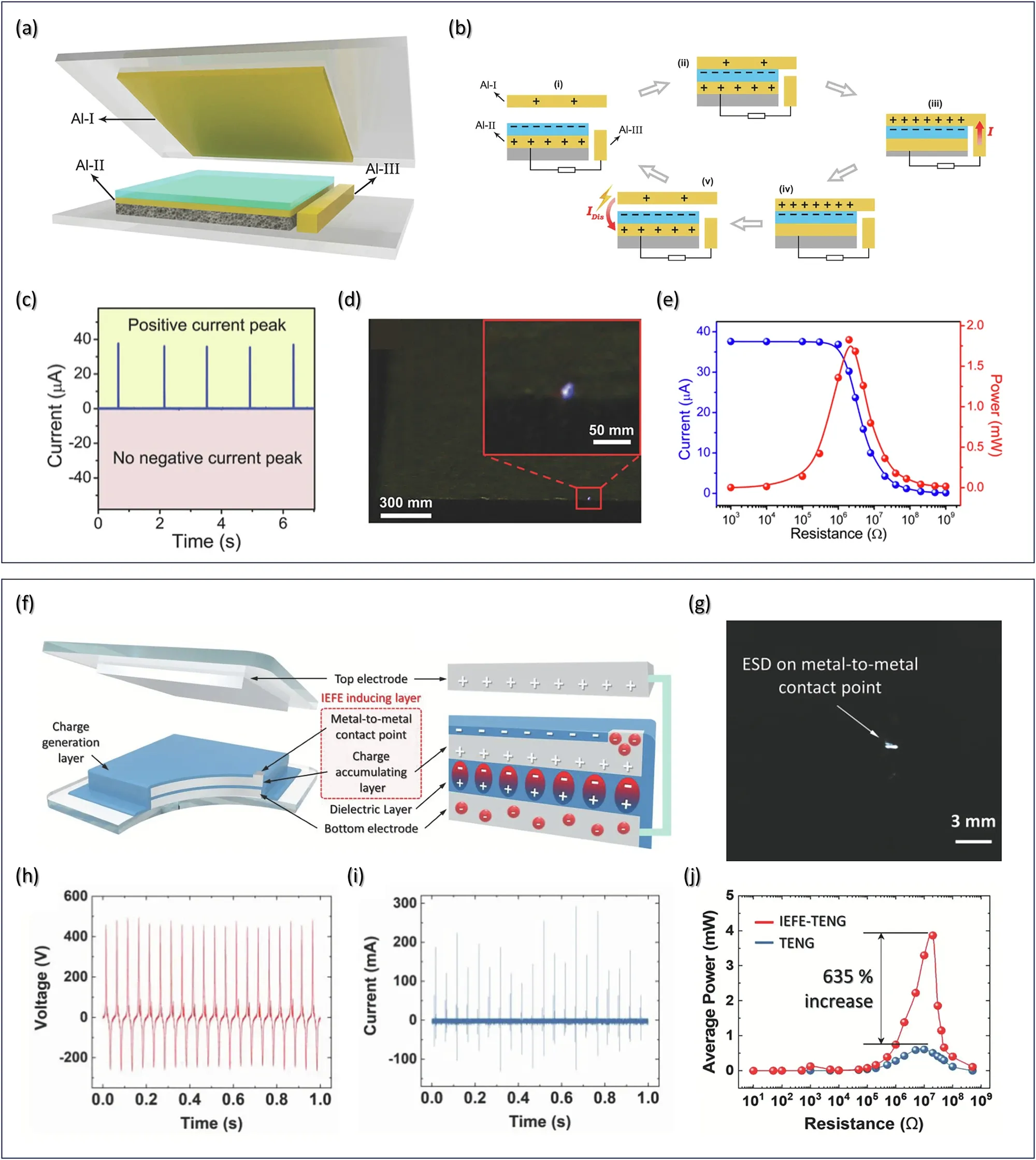
Contact-separation mode ESD-based TENGs
Beyond energy harvesting, ESD-enhanced TENGs are expanding into new self-powered applications. In environmental technologies, these systems can generate high-voltage discharges for chemical removal and purification processes. ESD-driven TENG devices have demonstrated the ability to create microplasma systems that degrade hazardous chemical compounds without external power sources.
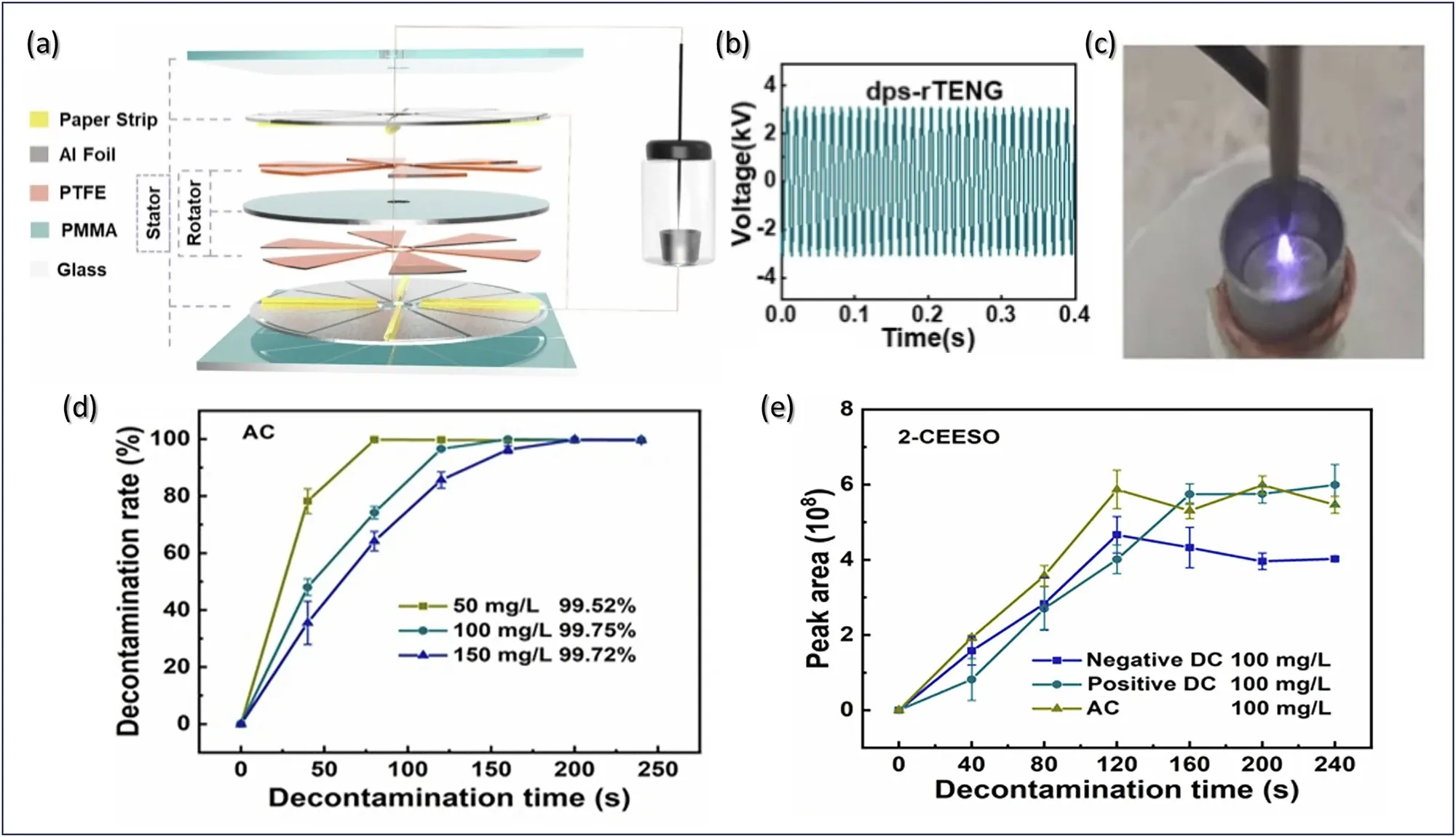
ESD-based TENG for chemical removal
The technology is also opening new possibilities for sustainable agriculture and smart sensing. By generating plasma-induced nitrogen fixation, ESD-based TENGs can produce nitrogen compounds for fertilizer applications. Meanwhile, because electrostatic discharge characteristics are influenced by surrounding gas composition and pressure, these devices can function as self-powered gas sensors capable of detecting environmental changes without batteries.
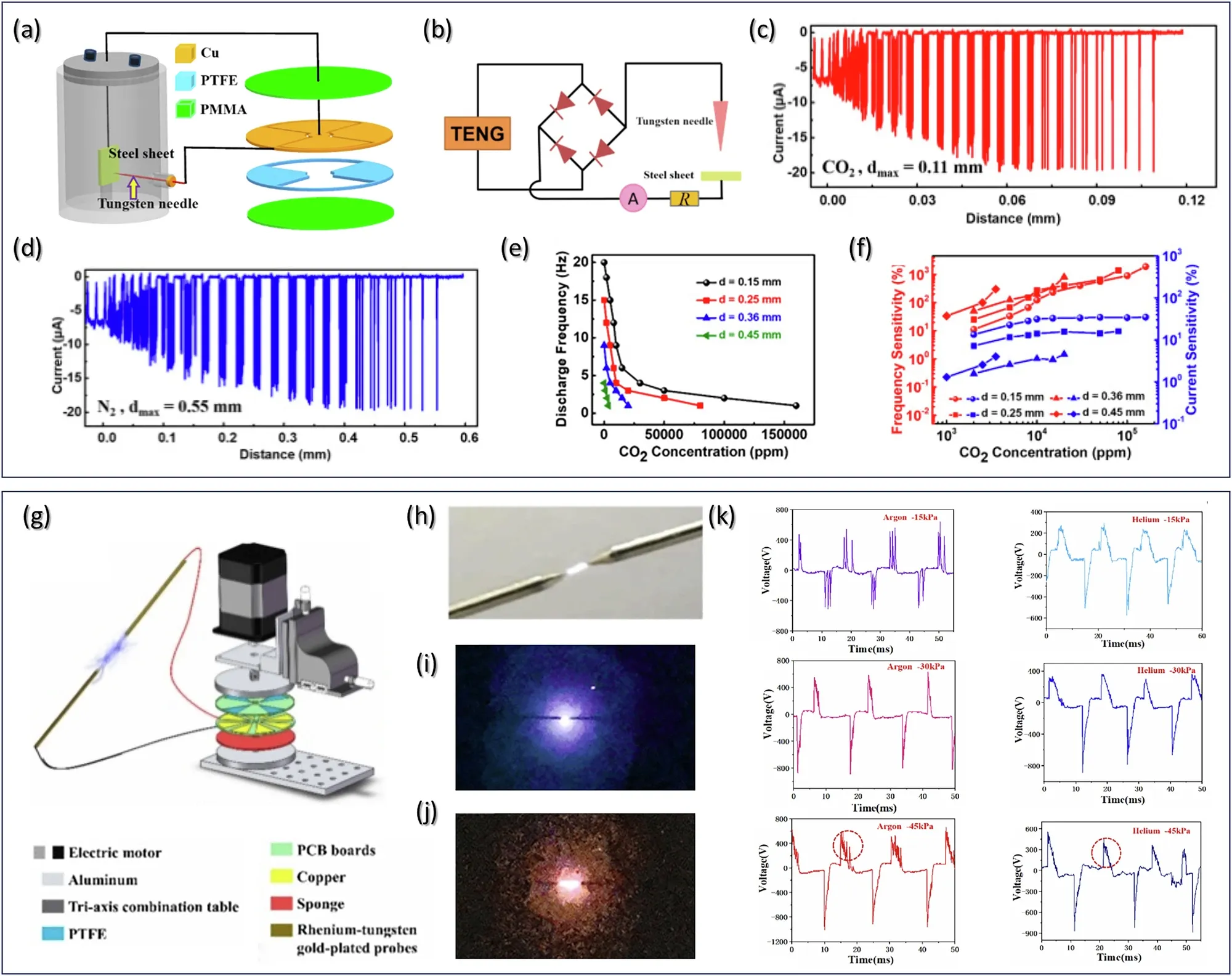
Self-powered TENG based gas sensors using ESD
The development of ESD-based triboelectric nanogenerators represents an important advancement in energy harvesting technology, self-powered sensors, and sustainable electronics. By combining triboelectric materials, plasma physics, and smart energy conversion, this technology could accelerate the future of battery-free IoT devices, environmental monitoring systems, and next-generation autonomous sensors.
As global demand grows for low-carbon and maintenance-free power solutions, ESD-enhanced TENGs may become a key technology for powering intelligent devices in remote, industrial, and everyday environments.

