


Summary:Researchers in Japan have developed a magnet-free electric motor using ferroelectric liquid crystals and transverse electrostatic force (TEF). The lightweight plastic-rotor motor could open new possibilities for future robotics, precision devices, and energy-efficient actuators without relying on rare-earth magnets.
Electric motors have relied on magnets, metal components, and electromagnetic coils for more than a century. Now, researchers at the Institute of Science Tokyo have introduced a new motor concept that replaces conventional magnetic systems with ferroelectric liquid crystals and transverse electrostatic force (TEF), creating a lightweight motor without permanent magnets.
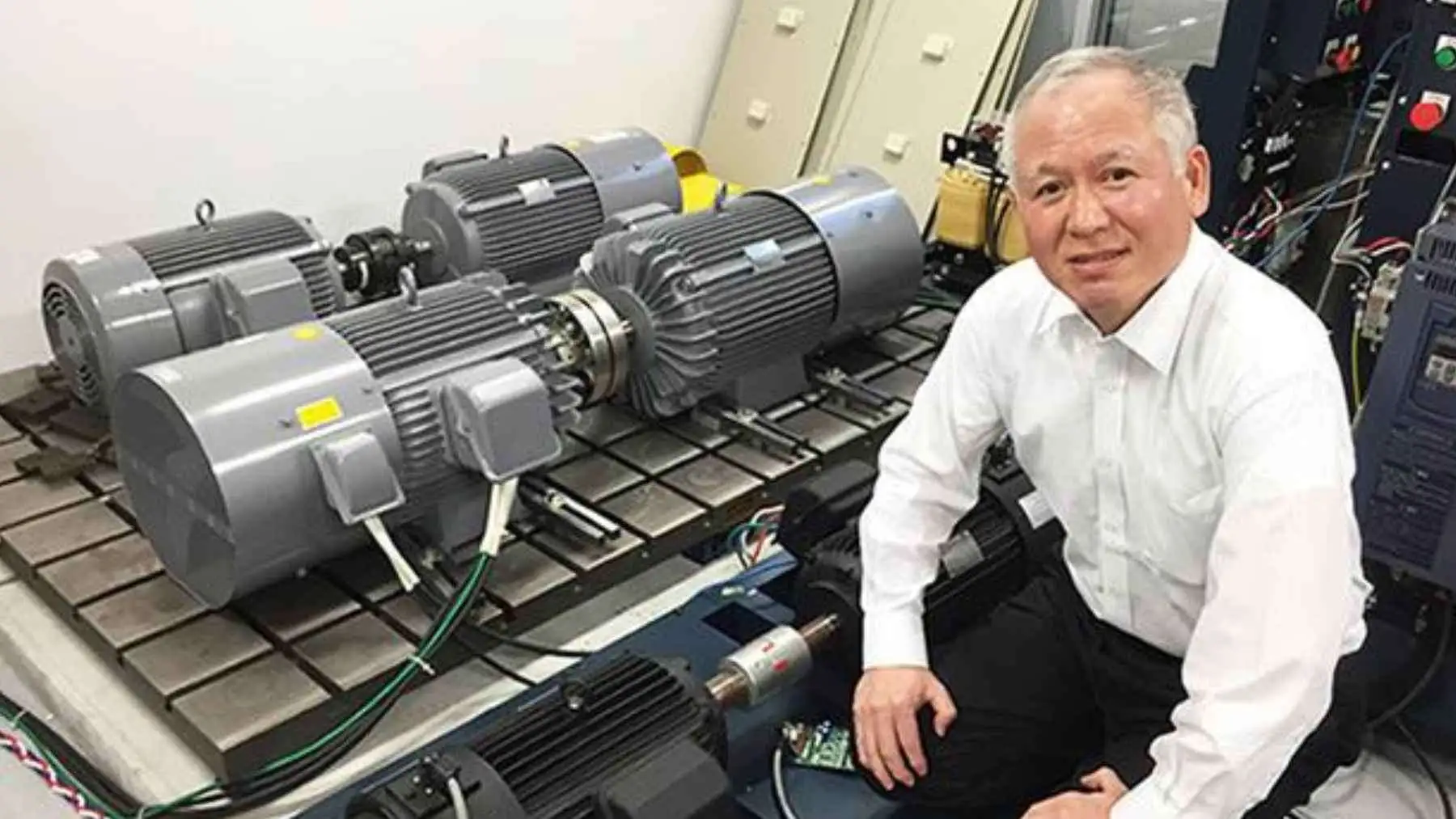
The prototype uses a special ferroelectric nematic liquid crystal material that can maintain strong internal polarization and respond efficiently to electric fields. Unlike traditional electrostatic motors that require extremely high voltages, this technology generates motion through a sideways electrostatic force acting perpendicular to the electric field.
In laboratory experiments, the ferroelectric liquid crystal produced measurable mechanical stress, lifting the fluid more than 3 inches under an electric field. Building on this effect, researchers developed a motor with fixed electrodes as the stator and a resin-based plastic rotor, demonstrating rotation without magnetic materials or metal components.
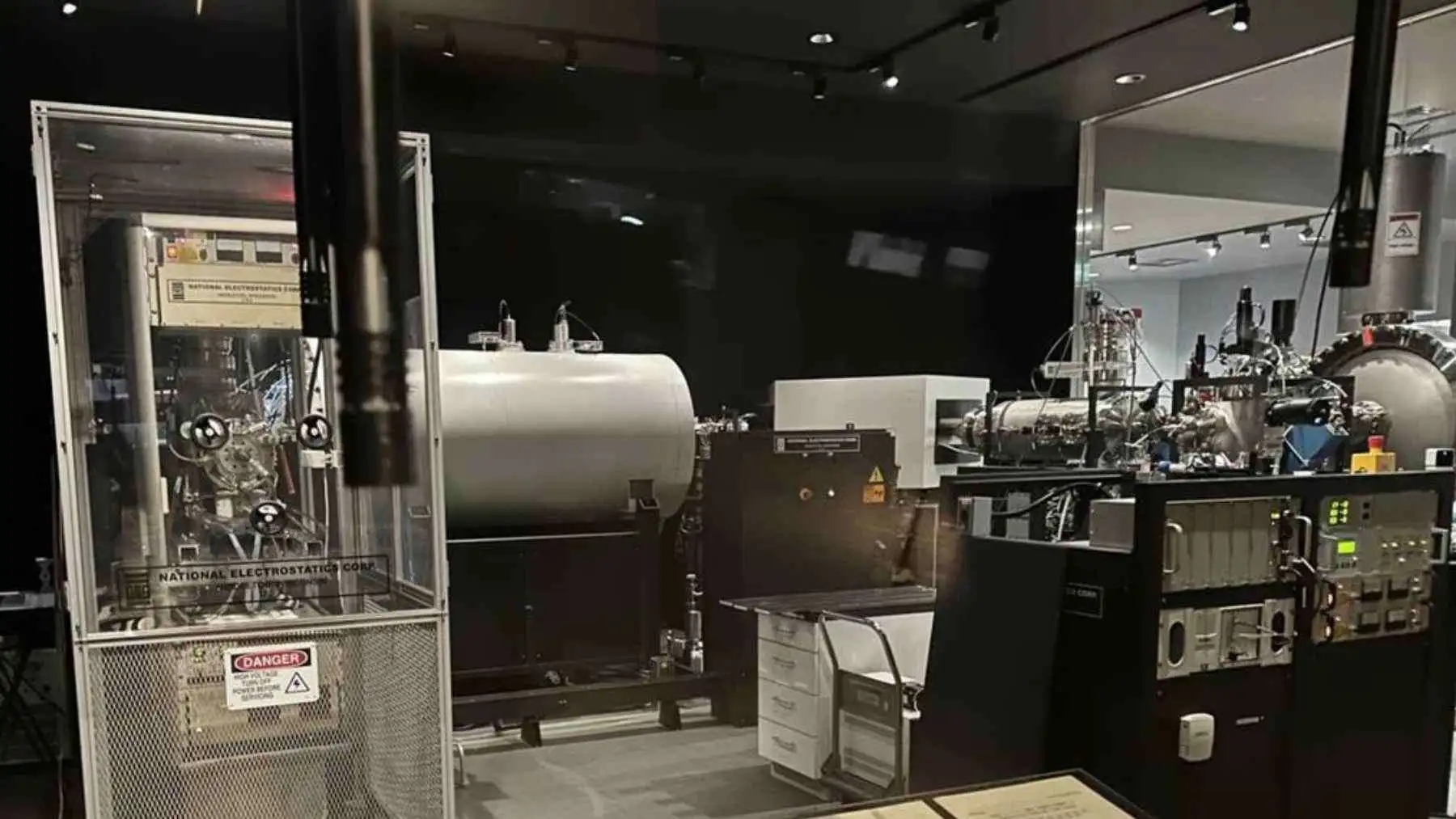
The experimental laboratory setup where researchers at the Institute of Science Tokyo developed and tested a prototype electric motor that operates without magnets using ferroelectric liquid crystals.
The magnet-free motor design offers several potential advantages. By eliminating permanent magnets and electromagnetic coils, it could reduce dependence on rare-earth materials such as neodymium and dysprosium, while enabling lighter and simpler mechanical structures.
The technology may have future applications in micro robotics, precision instruments, medical equipment, drones, and compact actuators where low weight and minimal magnetic interference are important. Since the motor does not rely on magnetic fields, it could also benefit environments requiring high electromagnetic compatibility.
Although still at the prototype stage, this ferroelectric liquid crystal motor represents a new approach to electric motion systems. By transforming a previously overlooked electrostatic effect into practical mechanical movement, the research could inspire a new generation of lightweight, magnet-free electric motors.

