


Summary: A research team led by George Mason University, University of Southern California, and collaborating institutions has developed a new multilevel human-robot interaction analysis framework that combines brain imaging, hormone measurement, psychological evaluation, and behavioral analysis to understand how humans build or lose trust in humanoid robots. The study provides new guidance for designing safer and more socially intelligent robots.
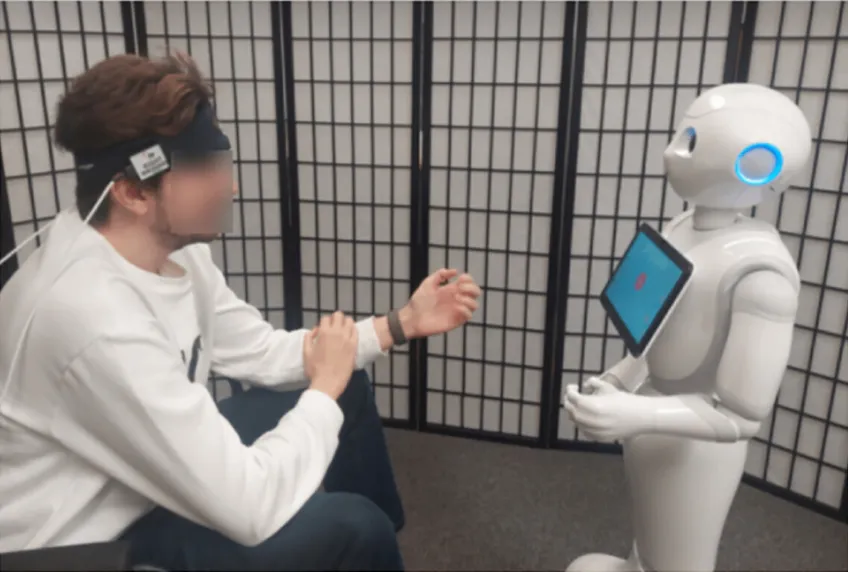
As humanoid robots move into homes, workplaces, and healthcare environments, building reliable human trust has become a critical challenge. A new study published in Science Robotics on July 29, 2026 introduces a multilevel human-robot interaction analysis framework that reveals how the human brain, hormones, emotions, and behavior respond during social interaction with embodied robots.
The research, titled “Multilevel dynamics of the brain, hormones, mind, and behavior in social human-robot interaction,” was conducted by researchers including Yigit Topoglu, Frank Krueger, Hasan Ayaz, and collaborators from institutions such as George Mason University and the University of Southern California.
The technology combines multiple sensing methods, including functional near-infrared spectroscopy (fNIRS) brain monitoring, salivary oxytocin analysis, trust evaluation surveys, and behavioral influence measurements, creating a comprehensive system for studying human responses to humanoid robots.
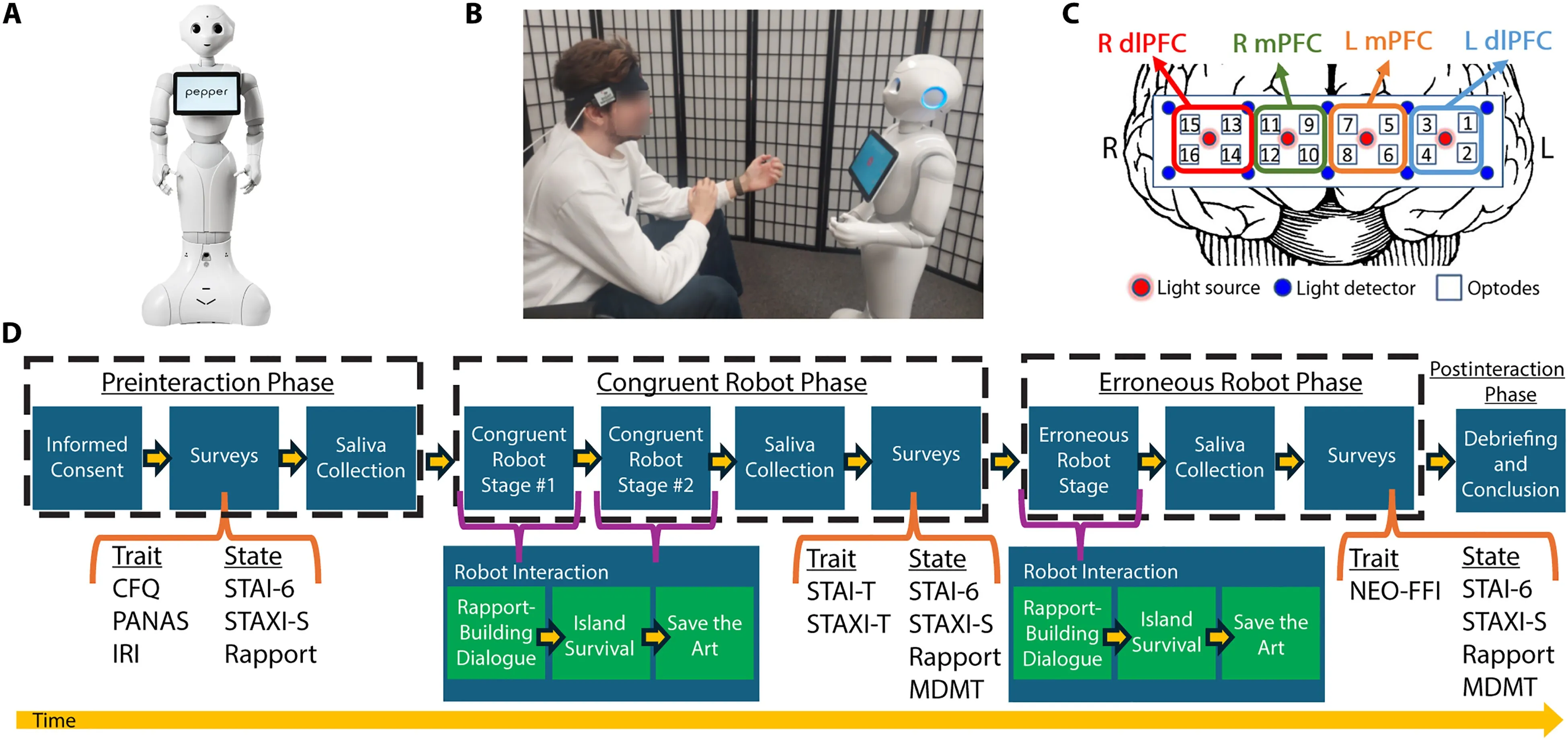
In face-to-face experiments with an embodied humanoid robot, researchers tested two key factors: robot reliability and social expressiveness. Results showed that robot errors significantly reduced human trust, demonstrating that performance accuracy remains the foundation of successful human-robot collaboration.
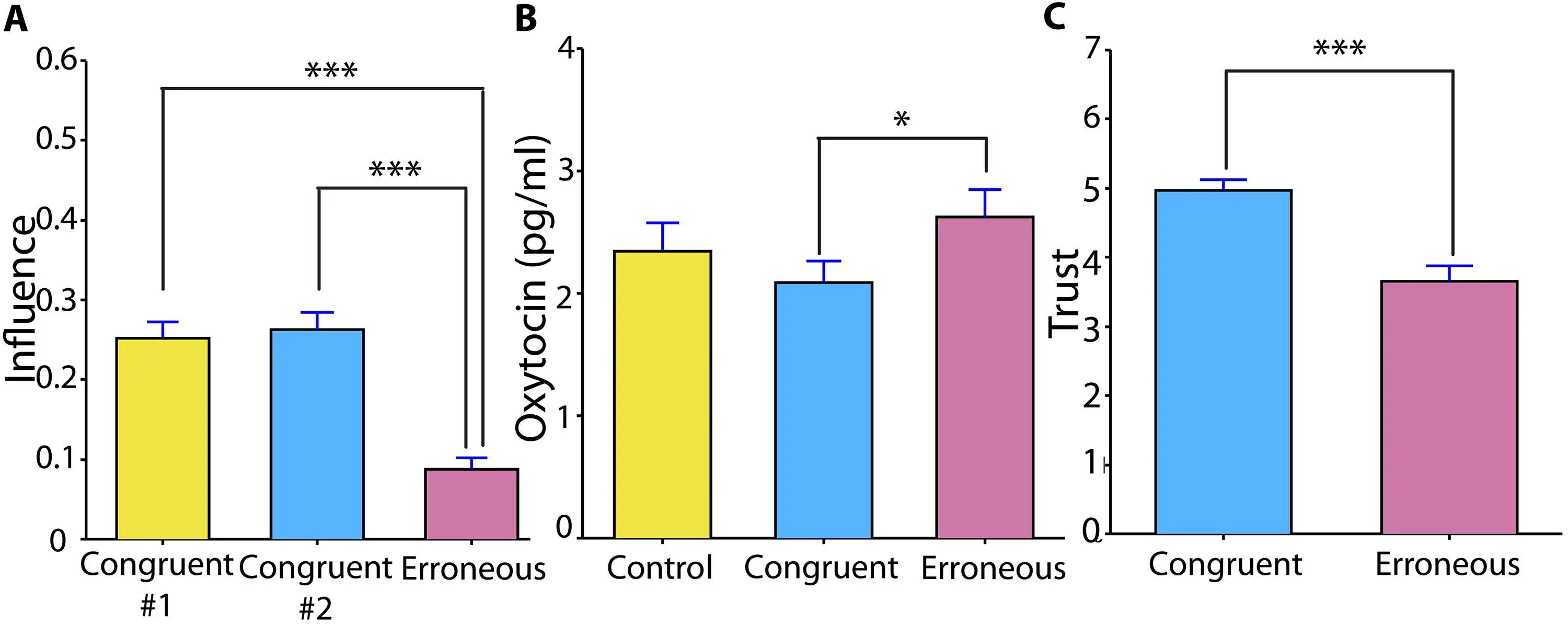
The study also found that expressive robot behaviors can increase engagement but may amplify negative reactions when robots fail to meet expectations. Animated robots triggered stronger prefrontal brain activity and more complex interactions between neural and hormonal responses.
The findings provide important design insights for future AI humanoid robots, healthcare robots, social companion robots, and collaborative robotic systems. By understanding the biological mechanisms behind trust, engineers can create robots that are not only intelligent but also more predictable, reliable, and socially acceptable.
This research establishes a new direction for trust-aware robot design, embodied AI development, and next-generation human-machine interaction technologies.

