


Summary: Researchers have developed a nanostructuring method that enables a TiNi shape-memory alloy to simultaneously achieve ultrahigh strength, large recoverable strain, and programmable superelasticity, overcoming a long-standing materials engineering challenge.
A research team has reported a breakthrough in superelastic TiNi alloy technology, introducing a manufacturing strategy called Amorphization-Templated Nanocrystallization (ATN) that delivers a rare combination of 2.1 GPa tensile strength, up to 12% ductility, and 9% recoverable strain in bulk metallic materials. The findings were published in Science Advances, highlighting a potential new generation of high-performance smart materials for aerospace, robotics, medical devices, and advanced actuators.
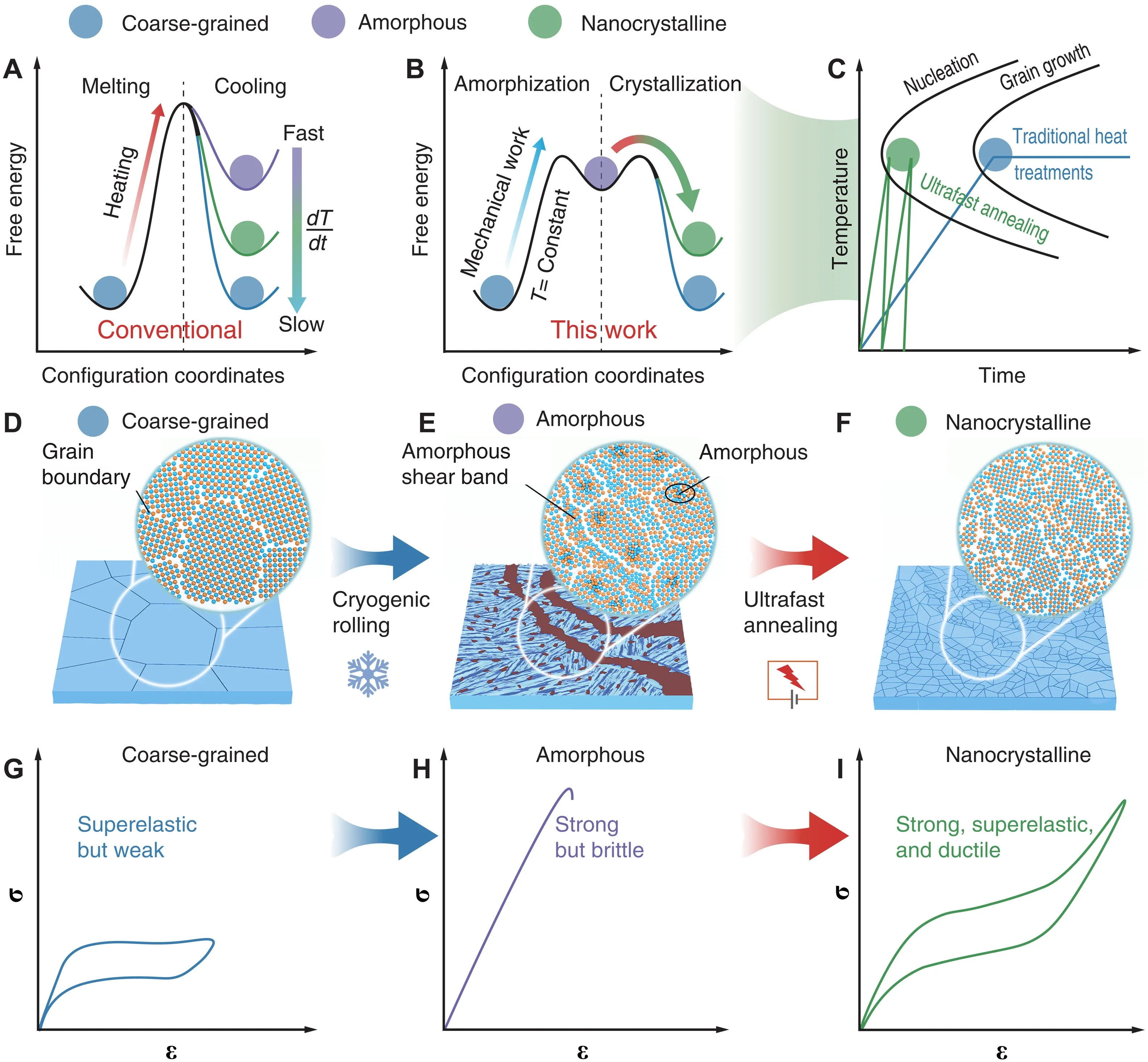
Fig. 1: Schematic illustration of the ATN processing strategy
Traditional TiNi (nickel-titanium) alloys are widely used because of their shape-memory and superelastic properties, but they typically suffer from a trade-off between strength and elasticity. Increasing strength often degrades superelastic performance, limiting applications under extreme mechanical loads.
The newly developed ATN process addresses this challenge through a two-step approach. First, the alloy undergoes cryogenic rolling at 77 K, creating amorphous regions within the metal. It is then exposed to ultrafast pulsed-current annealing, transforming these amorphous domains into a hierarchically nanocrystalline structure. This engineered microstructure allows stress-induced martensitic transformations to occur sequentially across nanograins rather than simultaneously, enabling a programmable mechanical response.
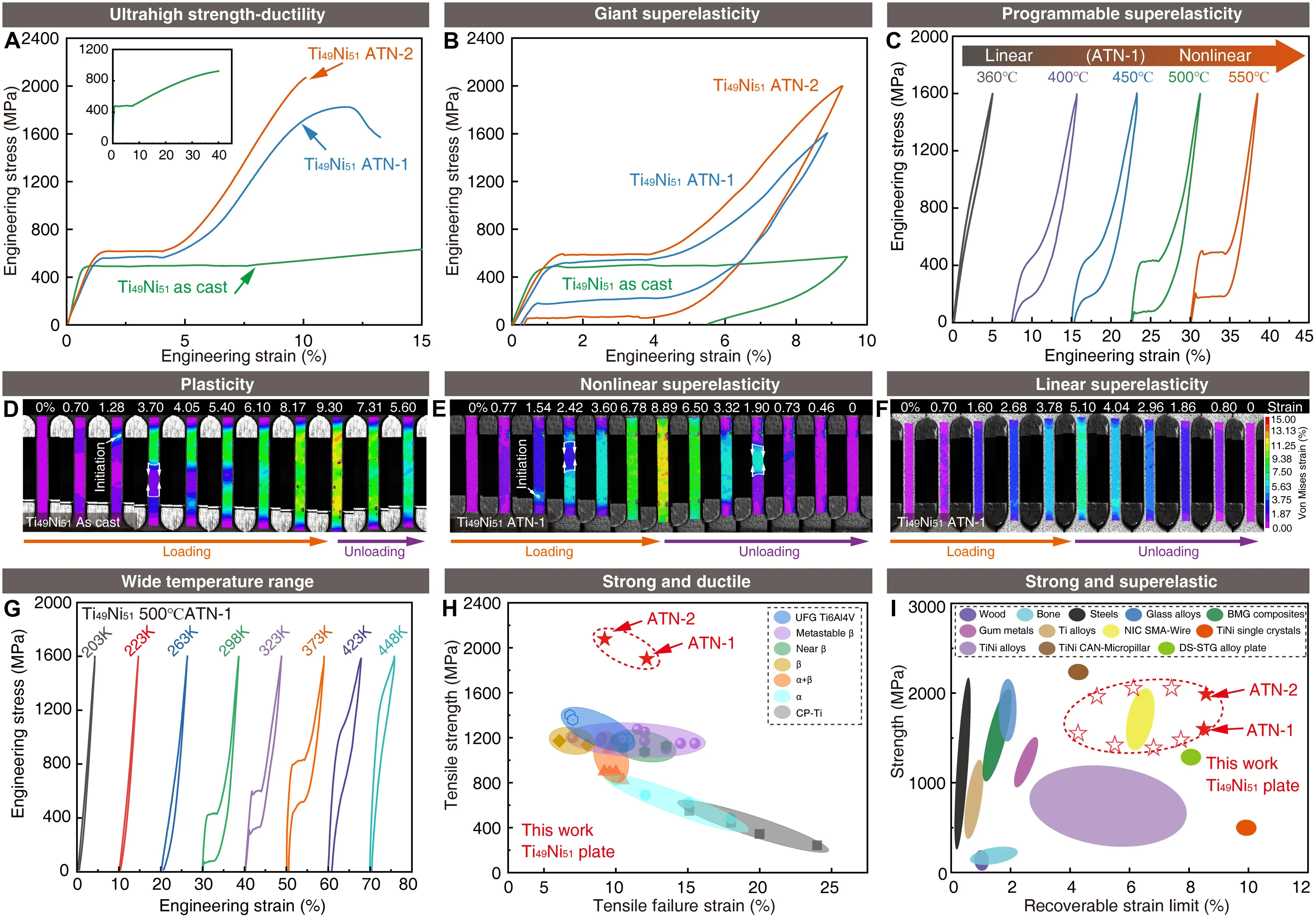
Fig. 2: Mechanical and superelastic properties of the Ti49Ni51 ATN alloy
Testing showed that the ATN-processed Ti49Ni51 alloy achieved tensile strengths exceeding 2,100 MPa, while maintaining approximately 10–12% elongation and a giant superelastic strain approaching 9%. Researchers also demonstrated the ability to tailor stress-strain behavior, producing responses ranging from nearly linear elasticity to plateau-like superelastic deformation depending on annealing conditions.
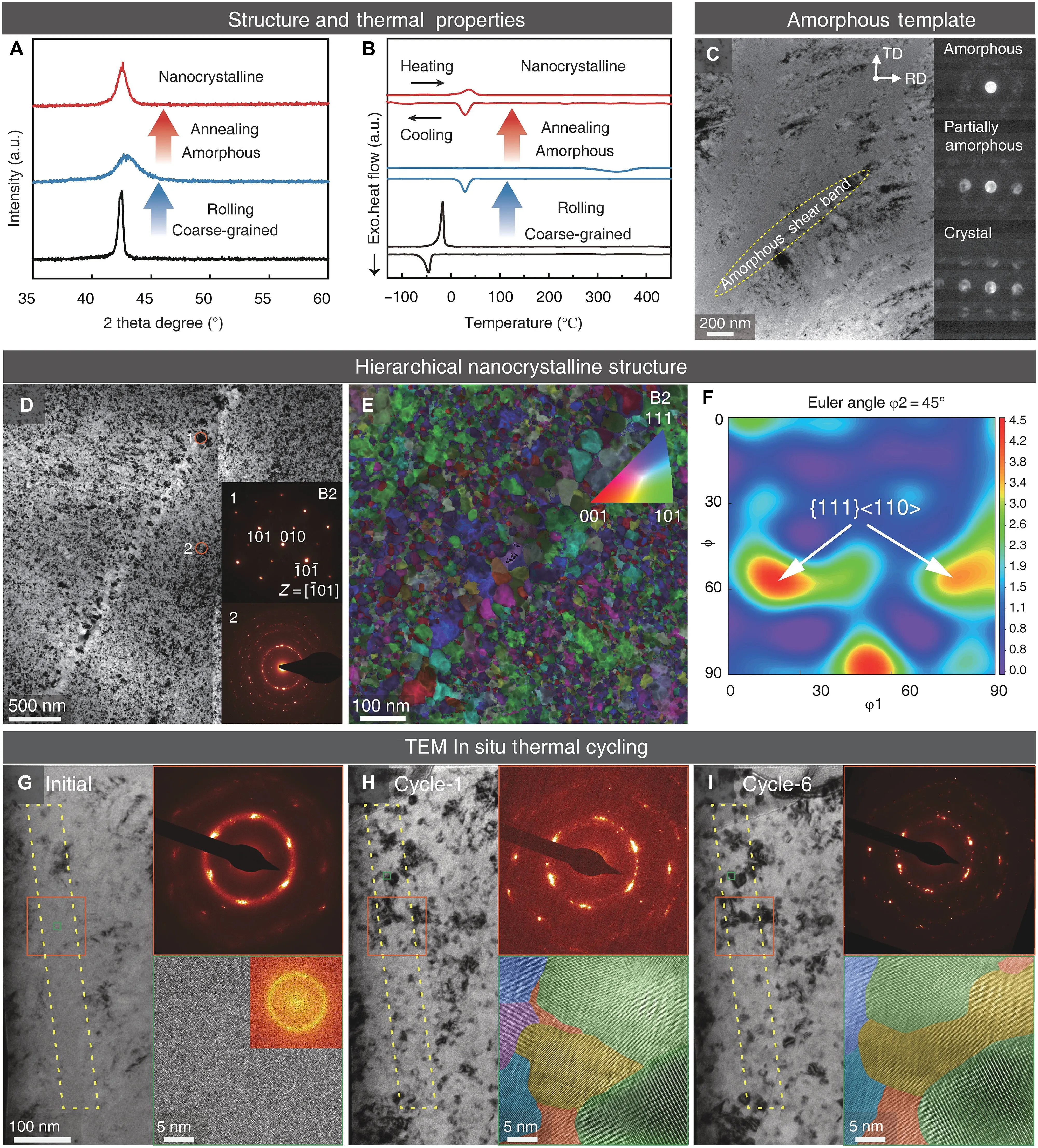
Fig. 3: Multiscale microstructure characterization of the ATN alloy
The material retained its exceptional performance across a broad temperature range from 203 K to 448 K (-70°C to +175°C), significantly expanding its potential operating window for industrial and aerospace applications.
Advanced synchrotron X-ray diffraction and atomic-resolution transmission electron microscopy revealed that nanoscale grain size plays a crucial role in controlling transformation behavior, creating a unique “programmable superelasticity” effect.
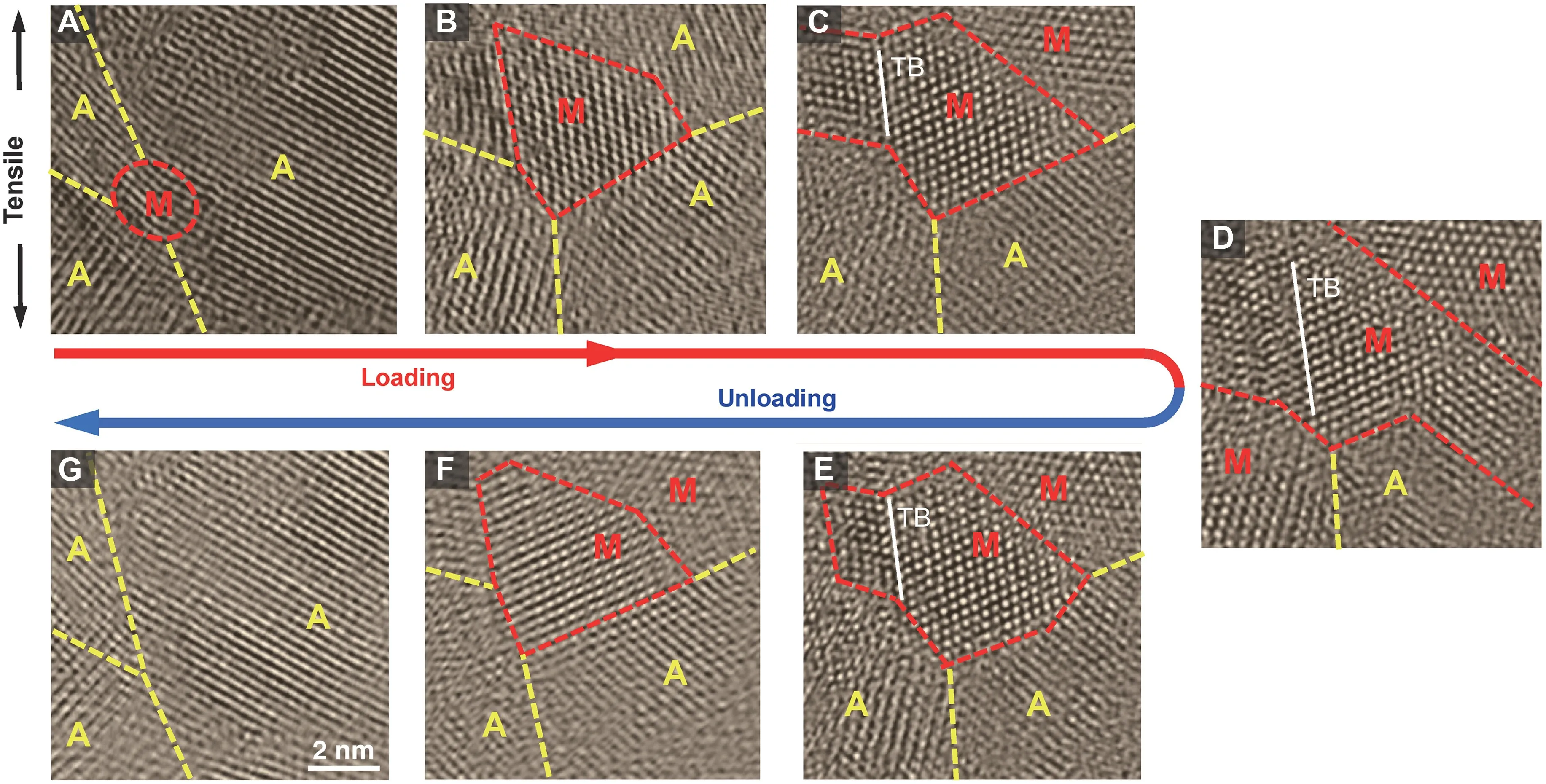
Fig. 4: Atomic-scale observation of reversible phase transformation
The researchers believe the scalable ATN manufacturing approach could extend beyond TiNi alloys to other shape-memory and functional metals, opening new opportunities in smart materials, superelastic metals, nanocrystalline alloys, aerospace actuators, robotics components, and advanced engineering systems. As industries seek lighter, stronger, and more adaptive materials, the ATN process may represent a significant step toward next-generation structural and functional metal technologies.

