


Summary: Researchers have developed a new graphene fiber that combines ultra-high strength, exceptional rigidity, and resistance to extreme temperatures and corrosive conditions, opening new possibilities for next-generation robotics and aerospace systems.
Researchers have unveiled a new class of graphene fibers that could redefine structural materials for robotics, aerospace, and advanced engineering. Inspired by the hierarchical architecture found in nature, the team developed a multiscale fusion-spinning process that produces fibers with both extraordinary tensile strength and bending rigidity—two properties that traditionally trade off against each other.
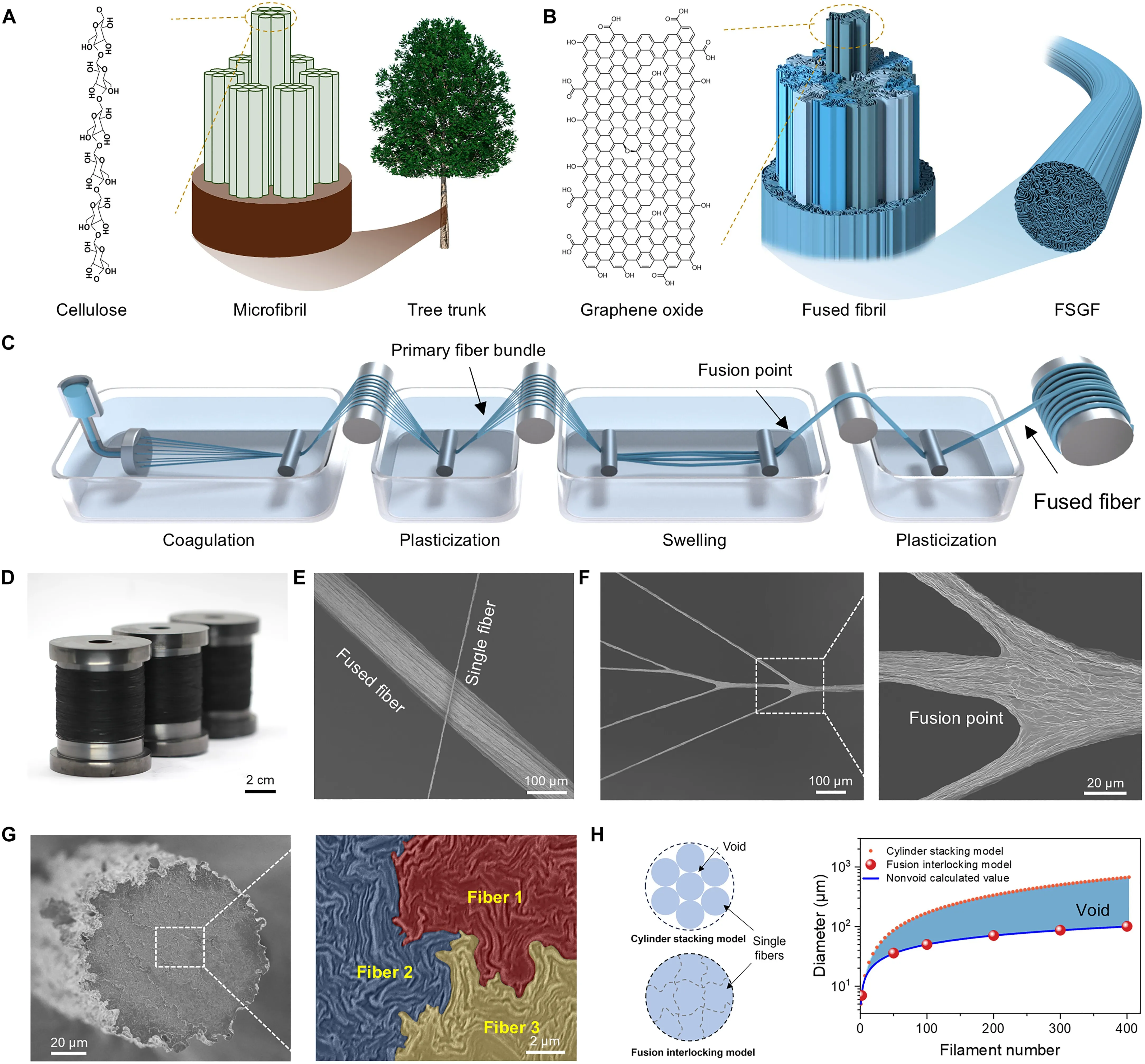
Image 1: Bio-inspired multiscale fusion spinning process and graphene fiber fabrication
The newly engineered fibers achieve a tensile strength of 3.0 gigapascals (GPa) while maintaining a bending rigidity of 1.6 × 10⁶ N·μm², reportedly more than 10,000 times greater than Kevlar fibers of comparable scale. The fibers also deliver thermal conductivity of 1,390 W/m·K and electrical conductivity of 1.2 × 10⁶ S/m, making them highly attractive for multifunctional structural applications.
A key innovation lies in the continuous fusion of hundreds of graphene oxide gel filaments into a single thick fiber. This process suppresses structural defects that typically weaken larger fibers, enabling consistent mechanical performance even as fiber diameter increases. The resulting material maintains high strength, uniformity, and structural integrity across multiple scales.
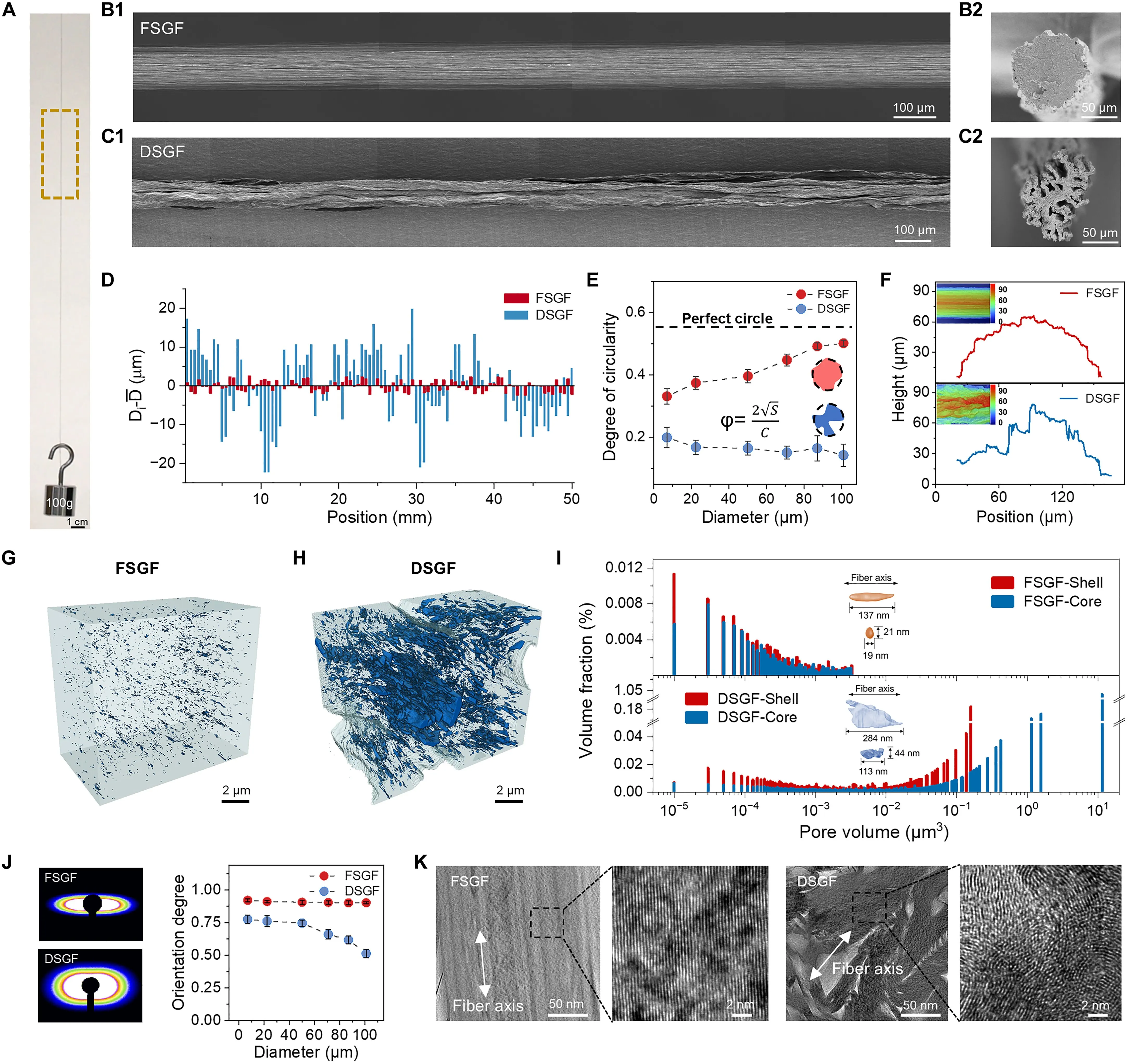
Image 2: Structural comparison between fusion-spun graphene fibers and conventional graphene fibers
Beyond laboratory measurements, the research team demonstrated practical robotic applications. The graphene fibers were integrated into micro aerial vehicles, robotic feet, and robotic grippers. When used as wing veins in dragonfly-inspired flying robots, the material showed superior wind resistance and lightweight performance compared with steel-based designs.
The fibers also served as robotic claws capable of operating in highly corrosive environments. Robotic grippers equipped with the graphene material successfully manipulated objects in strong acid and alkaline solutions while maintaining precise control and structural stability.
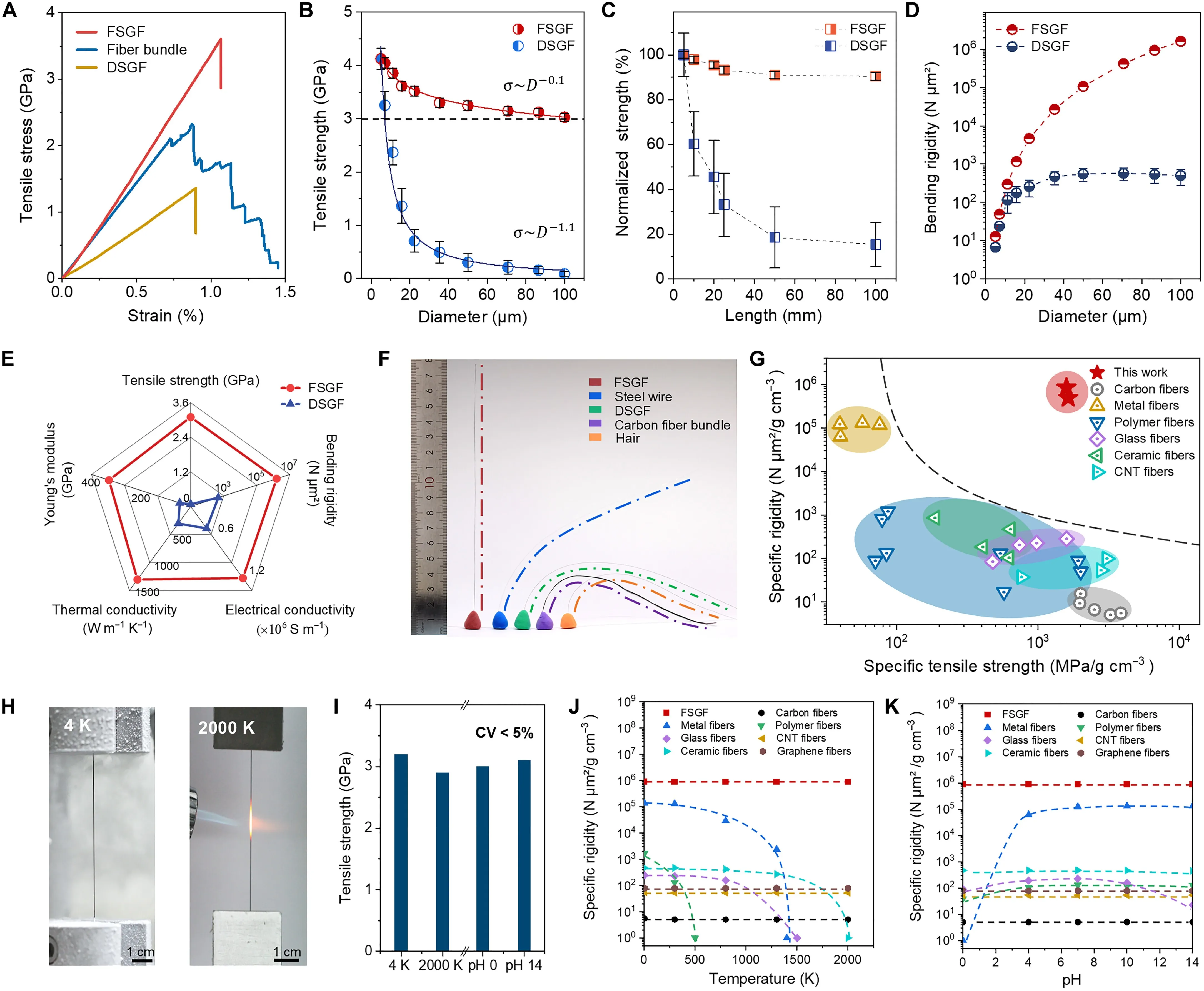
Image 3: Mechanical performance and environmental resistance of graphene fibers
Perhaps most remarkable is the material's durability under extreme conditions. The fibers remained functional across temperatures ranging from 4 Kelvin to 2000 Kelvin, while also resisting chemical degradation in environments spanning pH 0 to pH 14. Even after repeated thermal shock cycles, their mechanical performance remained largely unchanged.
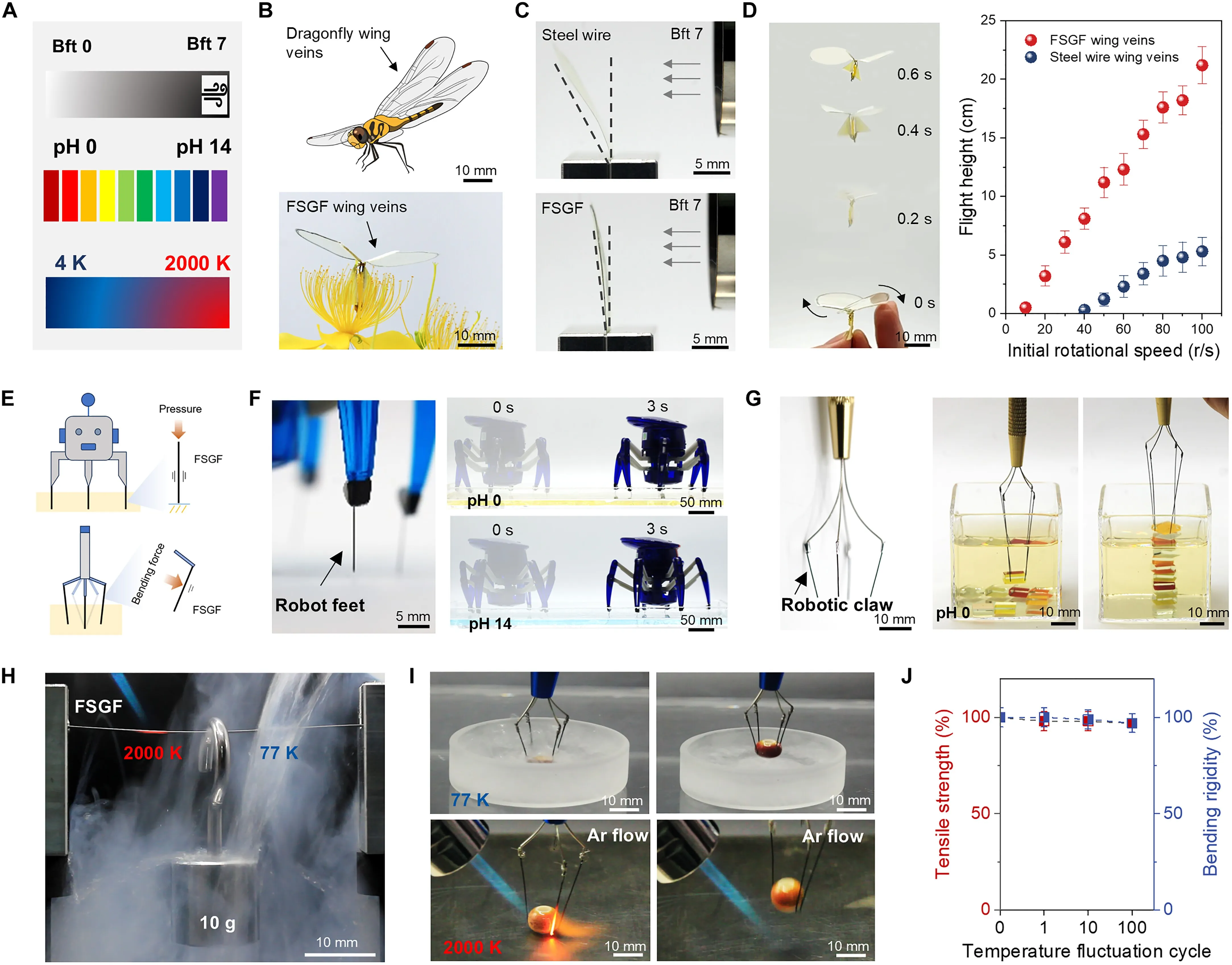
Image 4: Graphene-fiber robotic wings, feet, and grippers operating in harsh environments
As industries increasingly seek lightweight, high-strength materials for advanced robotics, aerospace engineering, micro aerial vehicles, smart manufacturing, and extreme-environment automation, this graphene fiber technology could provide a critical foundation for future robotic systems capable of operating where conventional materials fail.

