


Summary: Researchers have developed PhyFilter, a physics-informed AI framework that significantly improves robot learning generalization, enabling robots and drones to adapt to unseen environments without relying on massive training datasets.
A new study published in Nature Machine Intelligence introduces PhyFilter, a physics-filtered learning framework designed to solve one of robotics’ biggest challenges: enabling AI-powered robots to perform reliably in unfamiliar real-world conditions. The technology combines machine learning with physics-based feedback, offering an alternative to the data-intensive scaling strategies widely used in modern artificial intelligence.
As the robotics industry pushes toward Physical AI, robot learning, and autonomous robots, researchers face a persistent problem. Unlike large language models that can learn from vast amounts of internet data, robots require expensive and time-consuming real-world training. Simulation-based approaches help, but often struggle with the well-known sim-to-real gap. PhyFilter addresses this issue by using real-time physical feedback to correct AI learning outputs during operation.
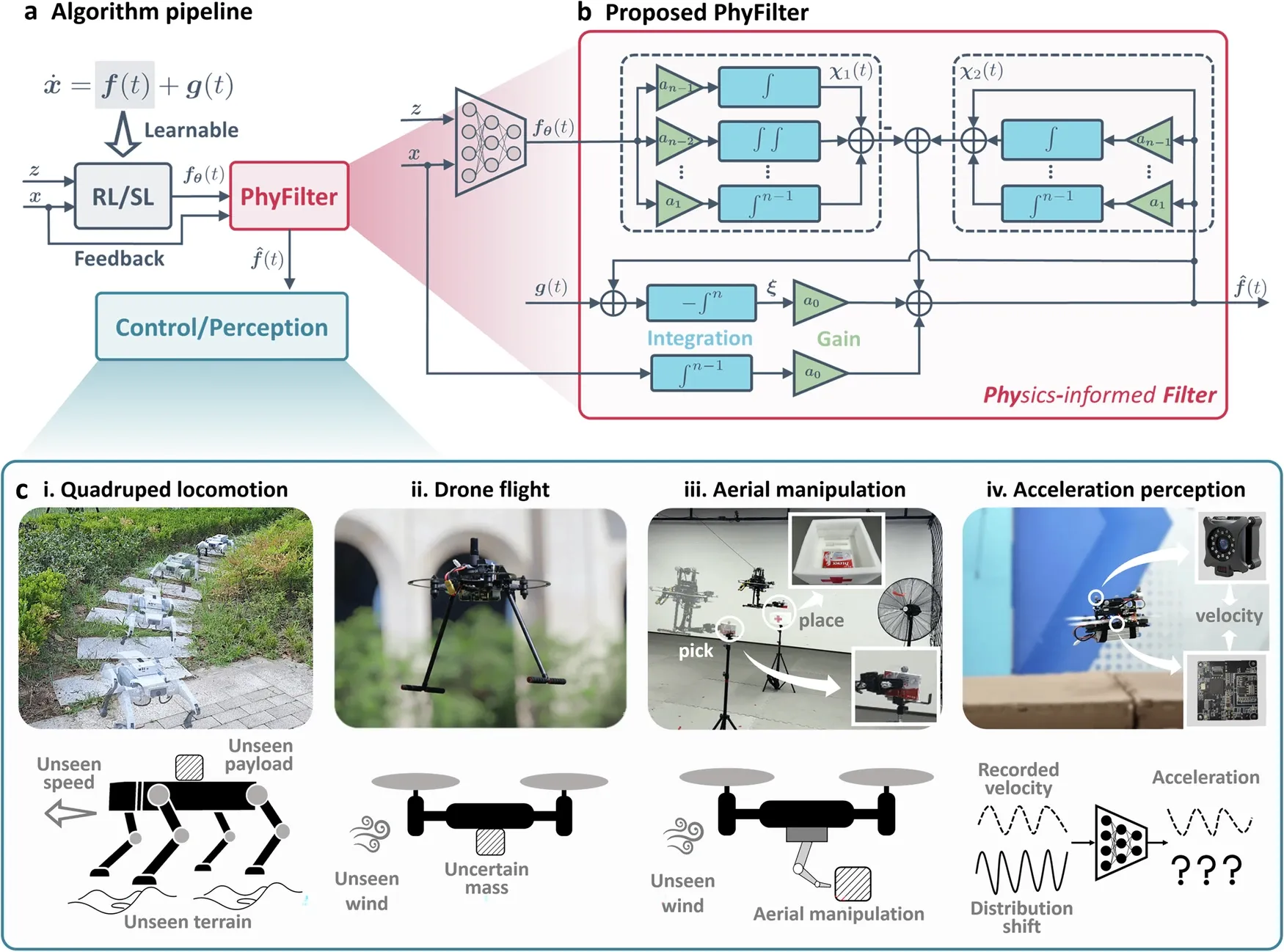
Image 1: Overview of the PhyFilter framework
The researchers describe PhyFilter as a lightweight, plug-and-play module that can be integrated with existing reinforcement learning and supervised learning systems without retraining. An automated parameter optimization method also eliminates the need for manual tuning, making deployment easier across different robotic platforms.
In tests, PhyFilter demonstrated impressive performance across multiple robotic applications. A quadruped robot trained only on flat simulated terrain successfully adapted to unseen environments including stairs, gravel, sand, and rough outdoor surfaces. The system also maintained stable locomotion under significant payload changes and higher-than-trained operating speeds.
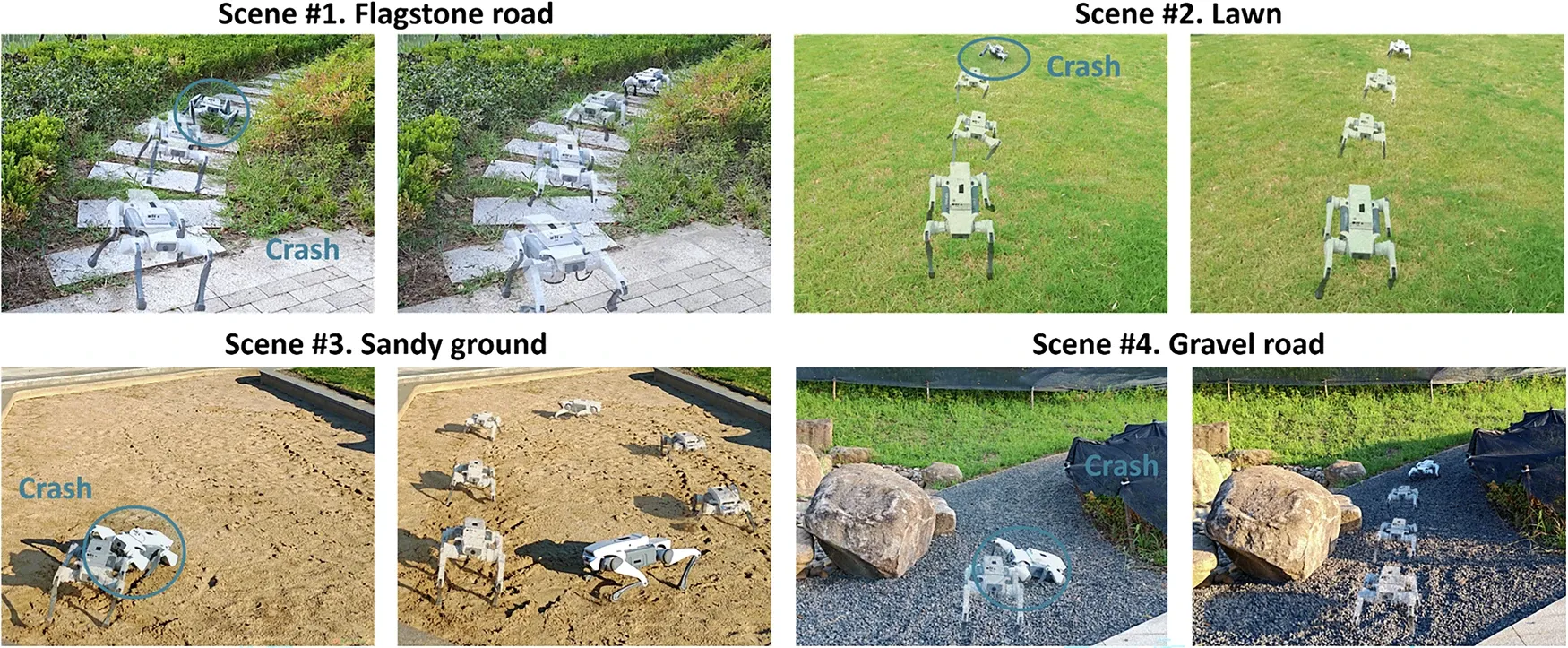
Image 2: Quadruped robot traversing unseen real-world terrains
The framework also improved drone flight and aerial manipulation tasks. In experiments involving wind disturbances and mass uncertainties, PhyFilter reduced tracking errors and enabled centimeter-level precision during aerial pick-and-place operations. Additional tests showed improved robustness in AI-based acceleration estimation, demonstrating the technology’s broad applicability across robotics.
As the race toward next-generation humanoid robots, autonomous drones, and intelligent machines accelerates, PhyFilter suggests that smarter use of physics may be just as important as larger datasets. By combining AI learning with physical feedback, the approach could help robots adapt faster, operate more reliably, and move closer to human-like adaptability in the real world.

