


Summary: Researchers have developed a high-performance iontronic pressure sensor that combines ultra-high sensitivity with near drift-free operation, enabling safer robotic-assisted injections and more precise laparoscopic surgery.
A research team has unveiled a breakthrough iontronic pressure sensor that could significantly improve robotic surgery, medical robotics, wearable electronics, and soft robotics. Published in Science Advances, the study introduces a new polarity-balanced material design that overcomes a long-standing challenge in pressure sensing: achieving both high sensitivity and long-term stability simultaneously.
Conventional iontronic sensors often face a trade-off between sensitivity and signal drift. The new design uses a specially engineered polyelectrolyte with a “polarity-balance” strategy, enabling strong ionic conductivity while suppressing viscoelastic creep. The result is a sensor with an ultra-high sensitivity of 119.5 kPa⁻¹ and a drift rate below 1% under pressures up to 450 kPa, delivering nearly drift-free force detection.
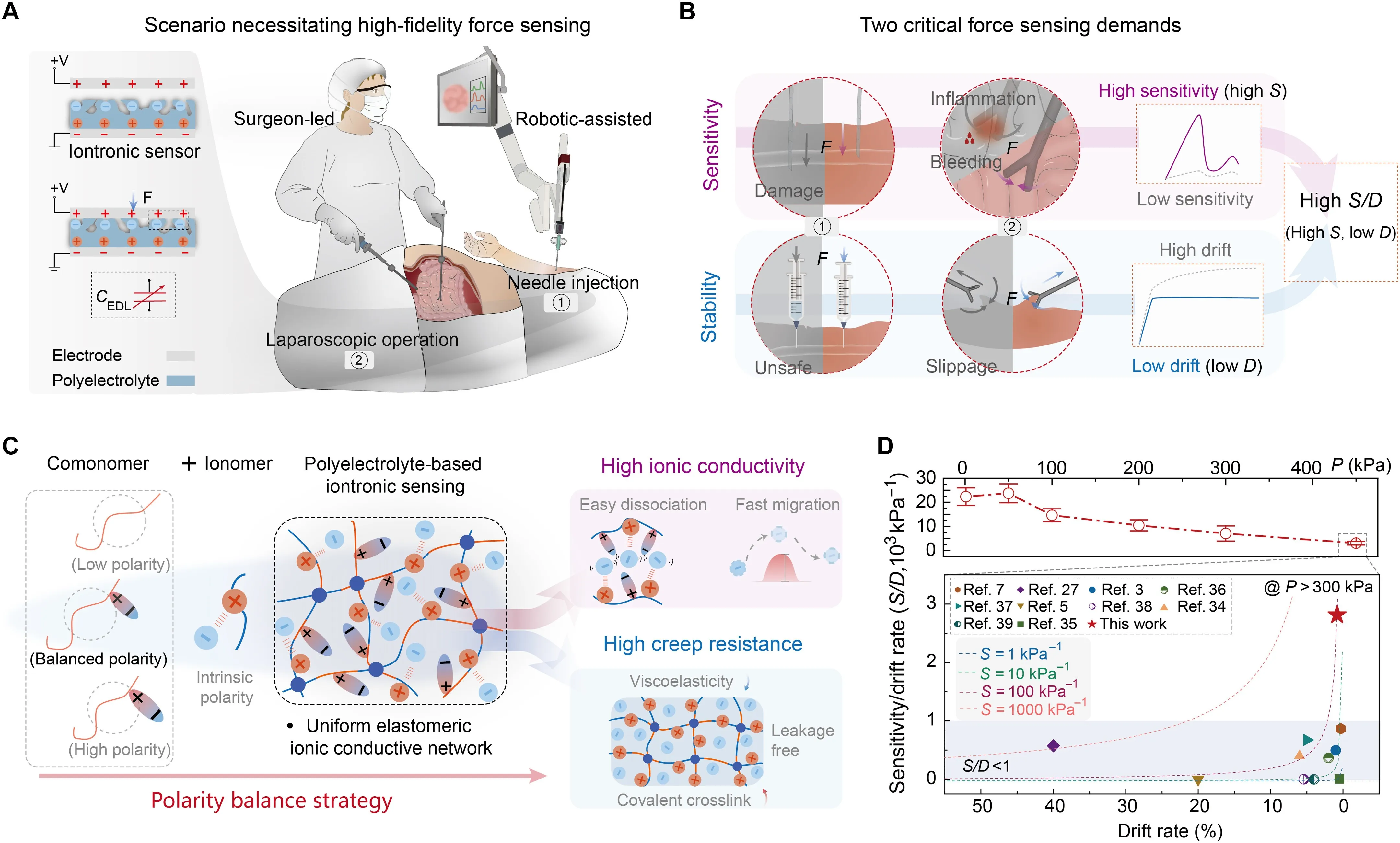 Image 1: Iontronic pressure sensor concept and surgical applications
The sensor demonstrated exceptional durability, maintaining stable performance for more than 10,000 loading cycles while operating across a wide pressure range from less than 1 kPa to over 500 kPa. Researchers introduced a new performance metric, the Sensitivity-to-Drift Ratio (S/D Ratio), which was nearly an order of magnitude higher than many state-of-the-art pressure sensors.
In robotic-assisted injection experiments, the sensor successfully detected subtle force changes associated with skin and blood vessel penetration, allowing robotic systems to stop needle advancement at the correct moment and reduce the risk of tissue damage. During injection, the sensor maintained stable readings with less than 0.3% drift, preventing false alarms caused by sensor instability.
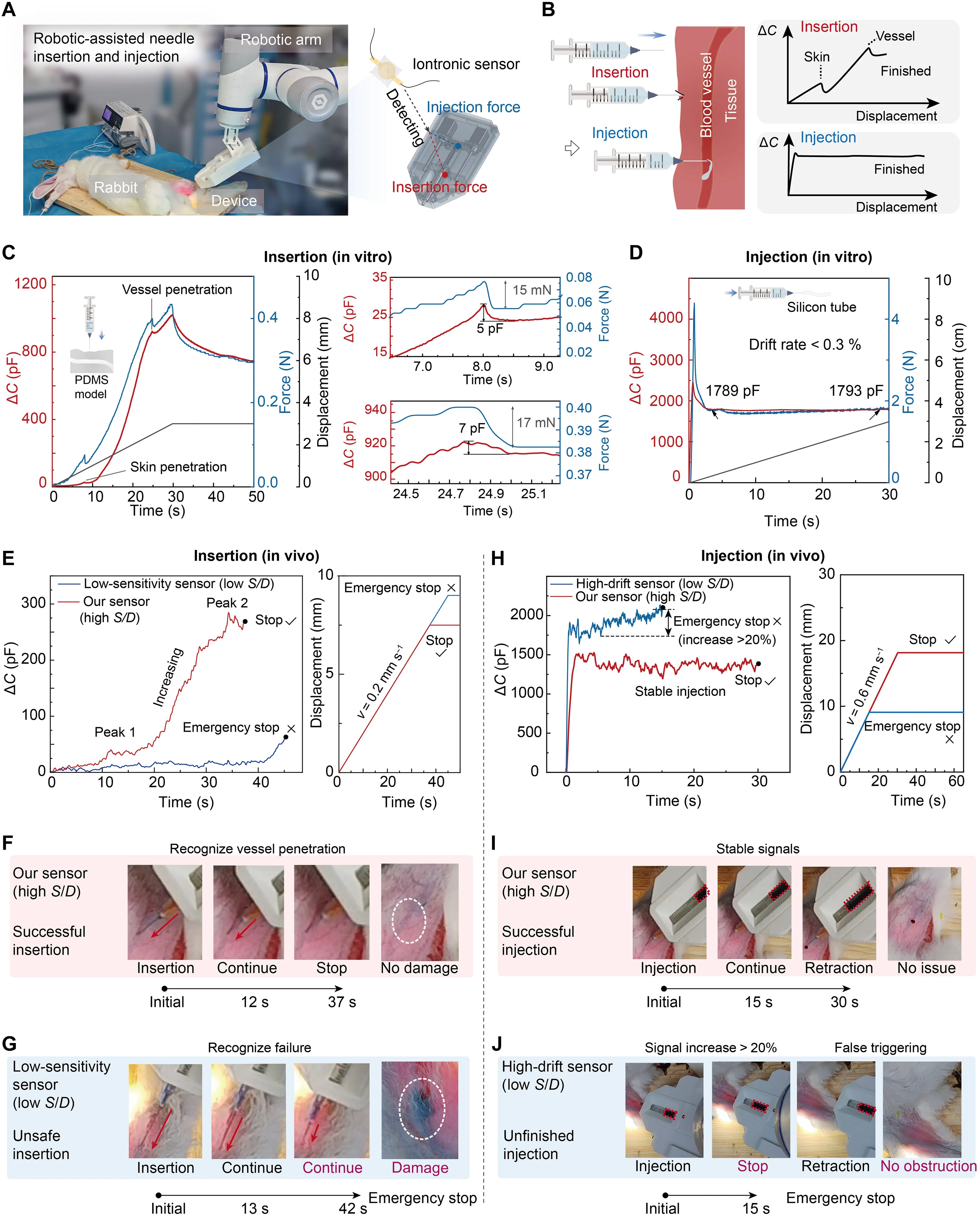
Image 2: Robotic-assisted injection experiments
The technology also improved surgeon-led laparoscopic procedures. Integrated into surgical graspers, the sensor provided real-time force monitoring and haptic feedback, helping surgeons maintain safe tissue-handling forces and reducing the risk of hemorrhage, edema, and tissue slippage.
As demand grows for AI-powered healthcare, robotic surgery systems, force-feedback robotics, and precision medical devices, this next-generation pressure sensor could play a critical role in enabling safer and more reliable human-robot interaction in clinical environments.

