


Summary: Researchers have developed NI-skin, a biomimetic ionic electronic skin that integrates 1,110 sensing units per cm². By combining frequency-based signal encoding, local data compression and machine-learning interpretation, the system addresses key challenges in high-density robotic tactile sensing.
Human skin can detect pressure, vibration and deformation through a vast network of mechanoreceptors that convert physical contact into neural signals. Replicating this capability in robots, however, remains challenging. As electronic skin becomes denser, conventional point-by-point scanning can introduce delays, signal interference and substantial data transmission demands. On October 16, 2026, a research team led by Professor Guo Chuanfei at Southern University of Science and Technology, in collaboration with Beijing Institute of Technology, MBZUAI and other institutions, reported NI-skin, a biomimetic ionic electronic skin designed to address these limitations, in Nature Machine Intelligence.
High-Density Flexible Ionic Skin
NI-skin is a flexible ionic electronic skin that uses an ionic gel between coplanar cross electrodes. When external pressure deforms the sensing structure, ion redistribution generates changes in capacitance that can be measured as electrical signals. This mechanism draws on ion-based signal transmission in biological sensory systems, while the soft structure allows the skin to conform to curved surfaces.
The system integrates more than 10,000 sensing units, with a reported sensing density of 1,110 units per cm². Its 96 × 96 array provides a high-density sensing configuration while retaining the flexibility needed for robotic applications.
A Three-Layer Architecture Inspired by Biological Nerves
NI-skin organizes tactile information processing into three stages inspired by the pathway from skin receptors through peripheral nerves and the spinal cord to the brain.
The first stage is frequency-parallel encoding. Each sensing unit is assigned a characteristic frequency, such as 4.0 kHz, 4.2 kHz or 4.4 kHz. The frequency identifies the sensing channel, while signal amplitude reflects the applied force. This allows multiple sensors to transmit their signals simultaneously over a shared line, using a principle similar to frequency-division multiplexing in communications. Tests reported by the researchers indicate good signal linearity, stable sensitivity and limited encoding drift.
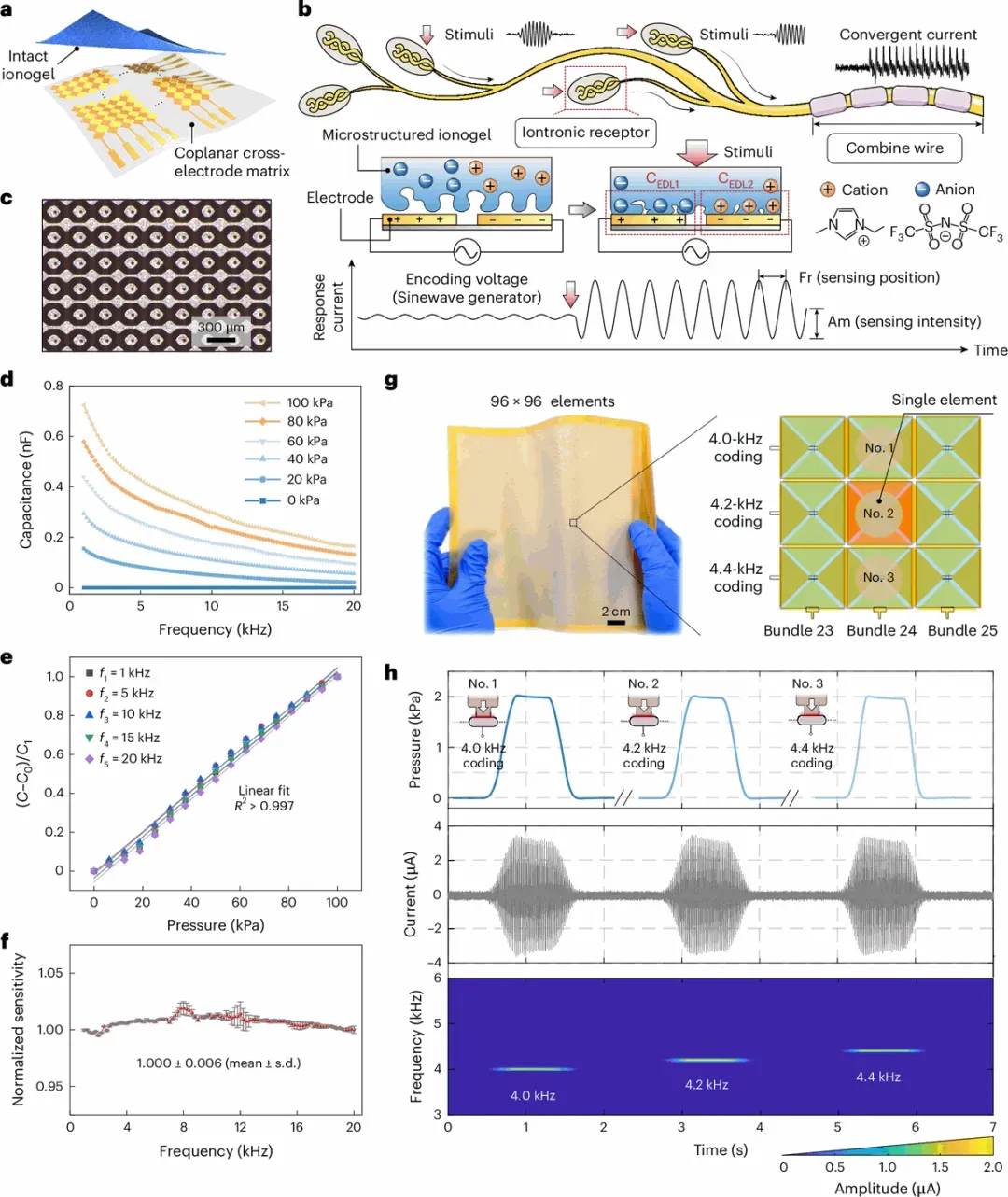
Figure 1 | Design and coding principles of NI-skin. Source: Original research article, Figure 2, published in Nature Machine Intelligence.
The second stage is signal convergence and compression. Inspired by the way many biological receptors transmit information through a smaller number of nerve fibers, NI-skin processes and compresses sensor signals locally before forwarding them to the robot's main control chip. This architecture is designed to reduce data transmission requirements by several orders of magnitude, easing the burden on communication bandwidth and downstream computing resources. The saved capacity can support tasks such as grasping control and environmental perception.
The third stage is intelligent tactile interpretation. Compressed signals are supplied to a machine-learning model for recognition and classification. Rather than simply collecting raw measurements, the system combines sensing with data processing to extract useful information about contact and surface properties.
100 Frames per Second and Recognition of 300-Micrometer Textures
NI-skin can capture full-screen tactile information at up to 100 frames per second, enabling it to track rapidly changing contact conditions during robotic grasping. In reported tests, a robotic gripper equipped with the system distinguished surface textures as small as 300 micrometers, demonstrating fine tactile imaging and texture recognition.
Parallel signal acquisition can also help preserve brief contact events, including the onset of slippage or unexpected contact. Such information could help a robot adjust its grip or withdraw its end effector when necessary. Actual response speed and protective performance, however, depend on the complete sensing, processing and control system.
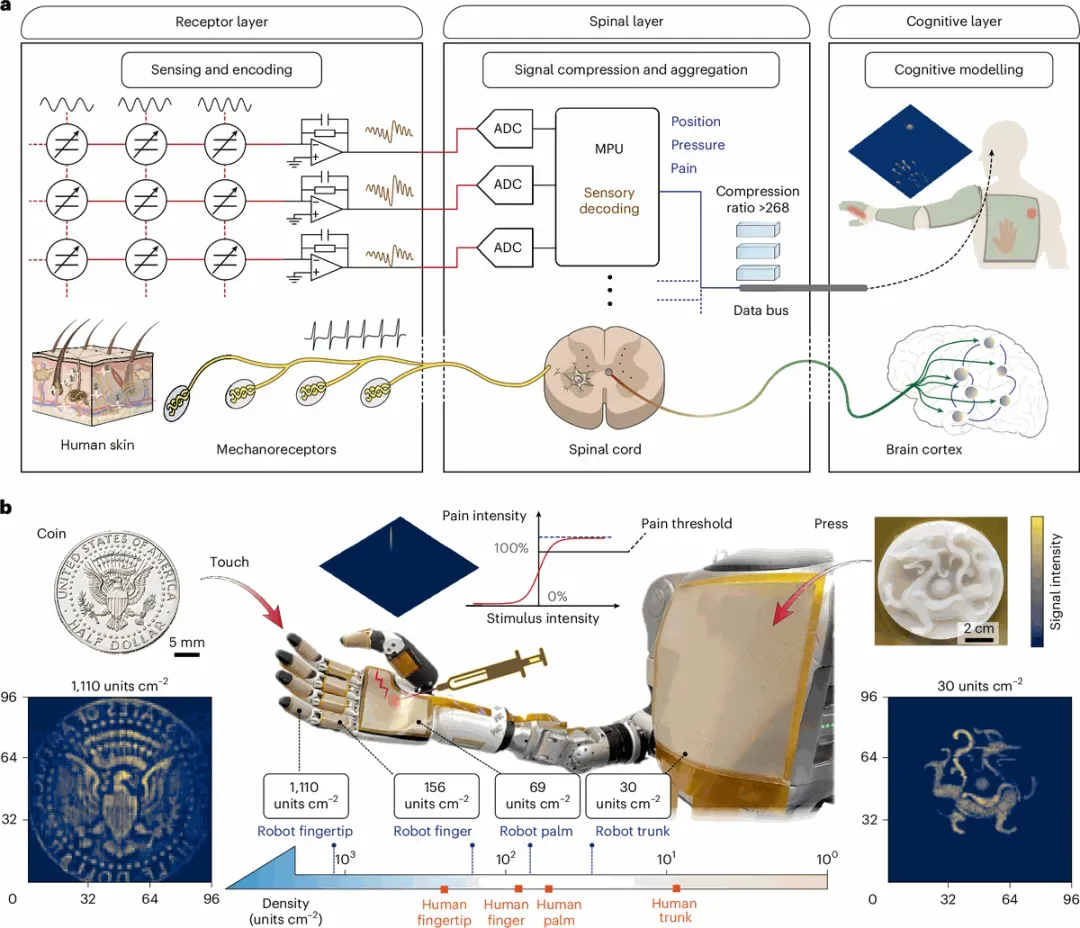
Figure 2 | Overview of the NI-skin system. Source: Original research article, Figure 1.
Advancing Robotic Touch and Physical AI
Much of the development of electronic skin has focused on increasing sensor density. NI-skin addresses another critical challenge: how to read, transmit and interpret signals efficiently as the number of sensing units grows. Frequency-based multiplexing reduces the need for separate signal pathways, local compression limits data transmission demands, and machine learning helps translate measurements into useful tactile information.
The approach could support future robots equipped with extensive tactile coverage, including humanoid robots and dexterous robotic hands. Potential applications include handling fragile objects such as eggs, recognizing Braille patterns, detecting unexpected contact during human-robot interaction and learning fine manipulation skills from tactile feedback.
The research also highlights a broader principle for robotic sensing: increasing the number of sensors is only part of the challenge. Efficient signal acquisition, data transmission and interpretation are equally important for scaling electronic skin to practical robotic systems. By integrating these functions into a biomimetic architecture, NI-skin offers a potential route toward more responsive and capable tactile sensing for the next generation of robots.

