Next-Gen Dual-Rotor Motors Are Revolutionizing EVs, Drones, and Industry
How a breakthrough “single stator, dual rotor” design is unlocking unprecedented efficiency, power, and versatility.
Introduction: A New Era in Electric Drive
Electric motors are evolving fast, and dual-rotor motors are leading the charge. By rethinking traditional single-rotor designs, these motors achieve record-high efficiency, lightweight construction, and multi-mode operation, making them a game-changer in electric vehicles, low-altitude drones, and industrial machinery.
Recent breakthroughs in magnetic flux design, materials, and control systems are accelerating their adoption from the lab to large-scale commercial applications, redefining what electric drive technology can achieve.
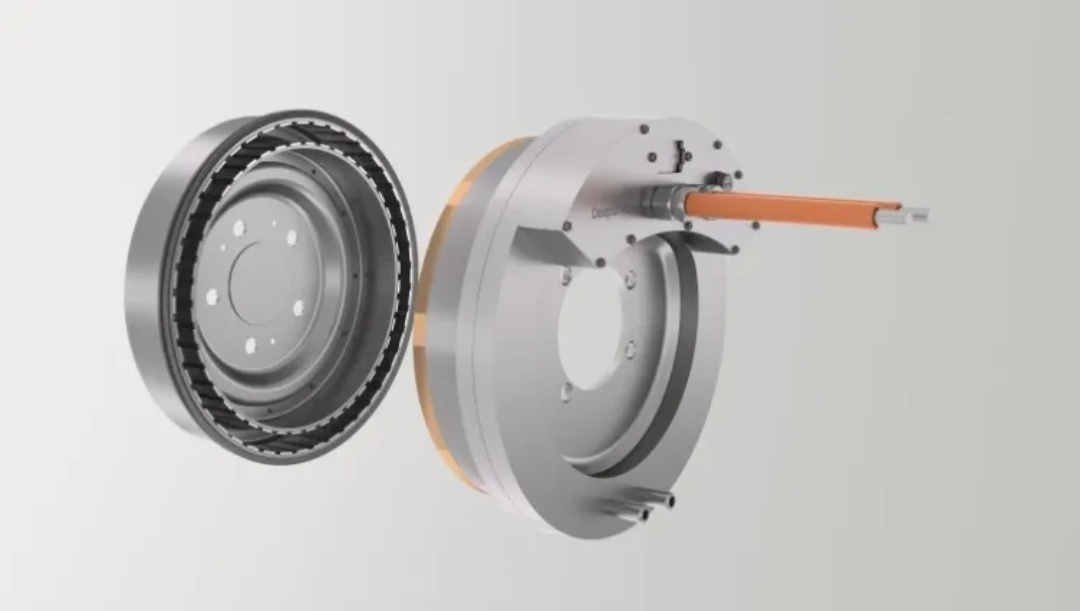
What Makes a Dual-Rotor Motor Unique?
Unlike traditional motors, dual-rotor designs feature:
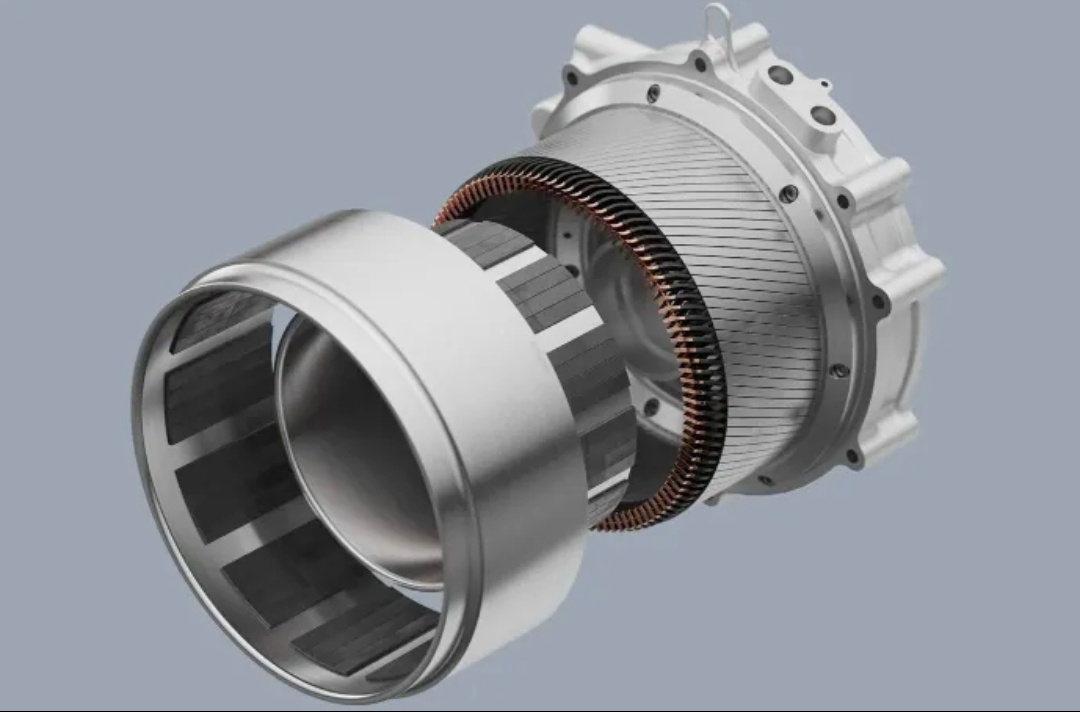
Single stator + dual rotor architecture: Inner and outer rotors rotate independently or in coordination.
Dual air-gap magnetic fields: Maximizes energy efficiency while maintaining a compact structure.
Integration of two motors in one: Combines high efficiency with lightweight advantages.
Advanced materials and magnetic path optimization: Cuts energy losses and reduces motor weight without sacrificing performance.
Think of it as two high-performance motors working as one, optimized for efficiency, torque, and adaptability.
Cutting-Edge Advantages
Ultra-High Efficiency
Peak efficiency: 98.7%
Average efficiency across typical operating conditions: >85%
3D helical windings reduce skin-effect losses to 1/5 of conventional designs
High Power & Torque Density
Torque: 30% higher than traditional motors of the same size
Power density: >6.5 kW/kg, torque density 1.5× higher
Motor weight cut by ~50%, ideal for space- and weight-limited applications
Flexible Operation
Independent or cooperative rotor control
Seamless switching between high/low power and fast/slow speeds
Optimized with advanced inverters for multi-mode, energy-efficient performance
Reliability & Low Noise
Operates in extreme temperatures and high humidity
Noise reduction: 15–20 dB lower than conventional motors
Protection rating: IP69k
Where Dual-Rotor Motors Shine
Electric Vehicles
Integrated into dual-motor four-wheel-drive or hub motors
Simplifies drivetrains, boosts range, and tightly integrates with vehicle controls
Low-Altitude Drones & Aviation
Directly powers propellers and generators for takeoff and sustained flight
Lightweight design increases endurance and payload capacity
Industrial & Specialty Applications
Powers chemical compressors, wind turbines, and automotive thermal management
Latest control technologies optimize efficiency, noise, and green performance
Conclusion: Driving the Future
By reimagining motor architecture and leveraging advanced materials and control systems, dual-rotor motors are breaking efficiency limits. They are lighter, more powerful, and adaptable than ever before, bridging the gap between lab innovation and real-world application.
From electric vehicles and drones to industrial machinery, dual-rotor motors are set to define the next generation of high-efficiency electric drives, unlocking a new era of performance and sustainability.