Stator and Rotor: Key Components in Electric Motors and Their Collaborative Working Principles
Electric motors are indispensable power devices in modern industry and daily life. Their efficient operation depends heavily on the precise collaboration between two core components—the stator and the rotor. While each part has distinct functions, they are interdependent and together facilitate the conversion of electrical energy into mechanical energy. This article systematically outlines the structure, functions, differences, and collaborative working principles of the stator and rotor, and explores how scientific testing methods can enhance their performance and reliability.
1. Definitions and Structural Components of the Stator and Rotor
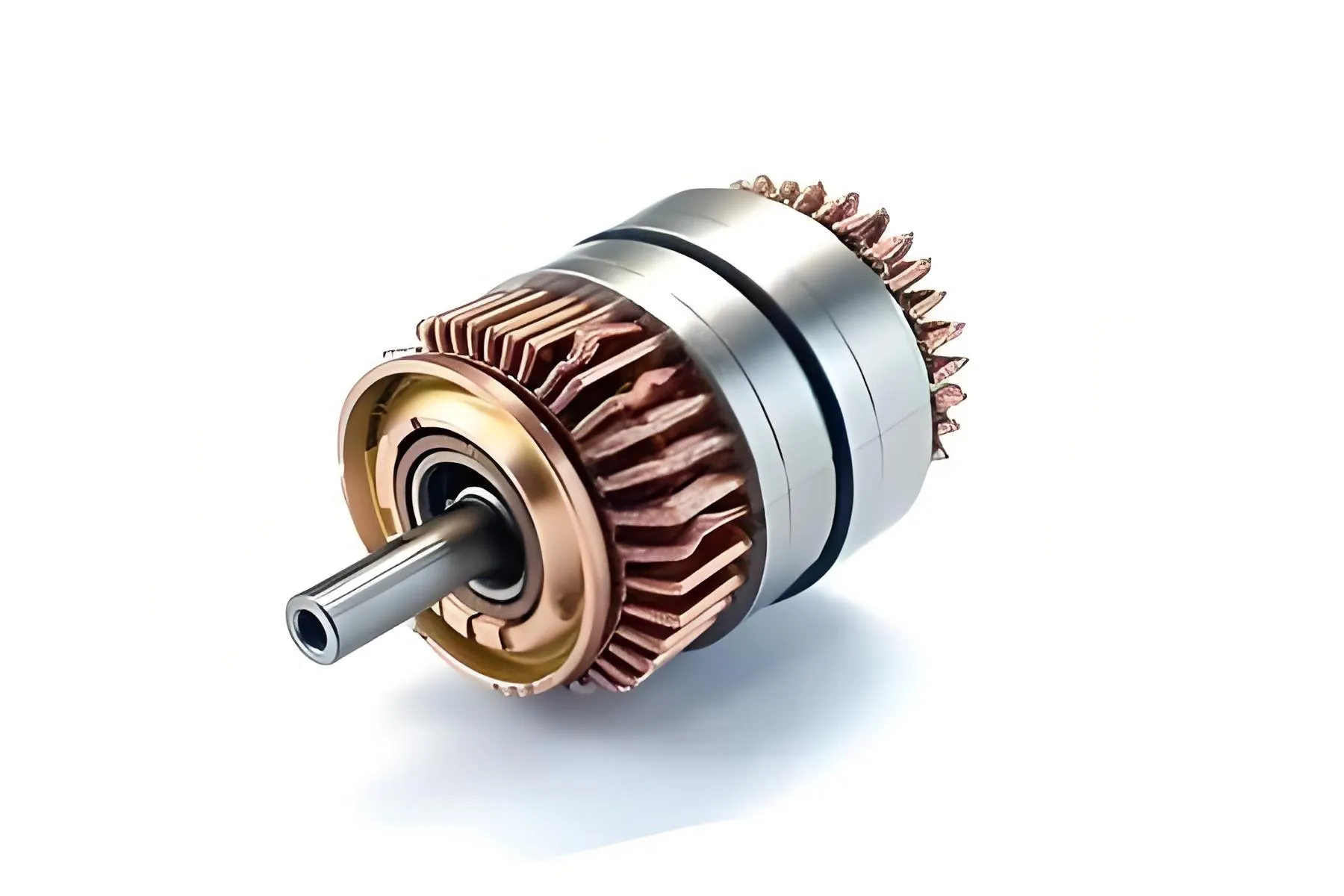
The stator is the stationary part of the motor and is typically composed of three main components: the stator core, winding, and frame. The stator core is made of laminated silicon steel sheets, which reduce eddy current losses. The windings are embedded in the slots of the stator core and, when current flows through them, create the magnetic field. The frame supports and fixes the stator in place while also ensuring proper heat dissipation. The primary role of the stator is to generate the magnetic field in which the motor operates. The design and material selection of the stator significantly affect the strength and distribution of the magnetic field.
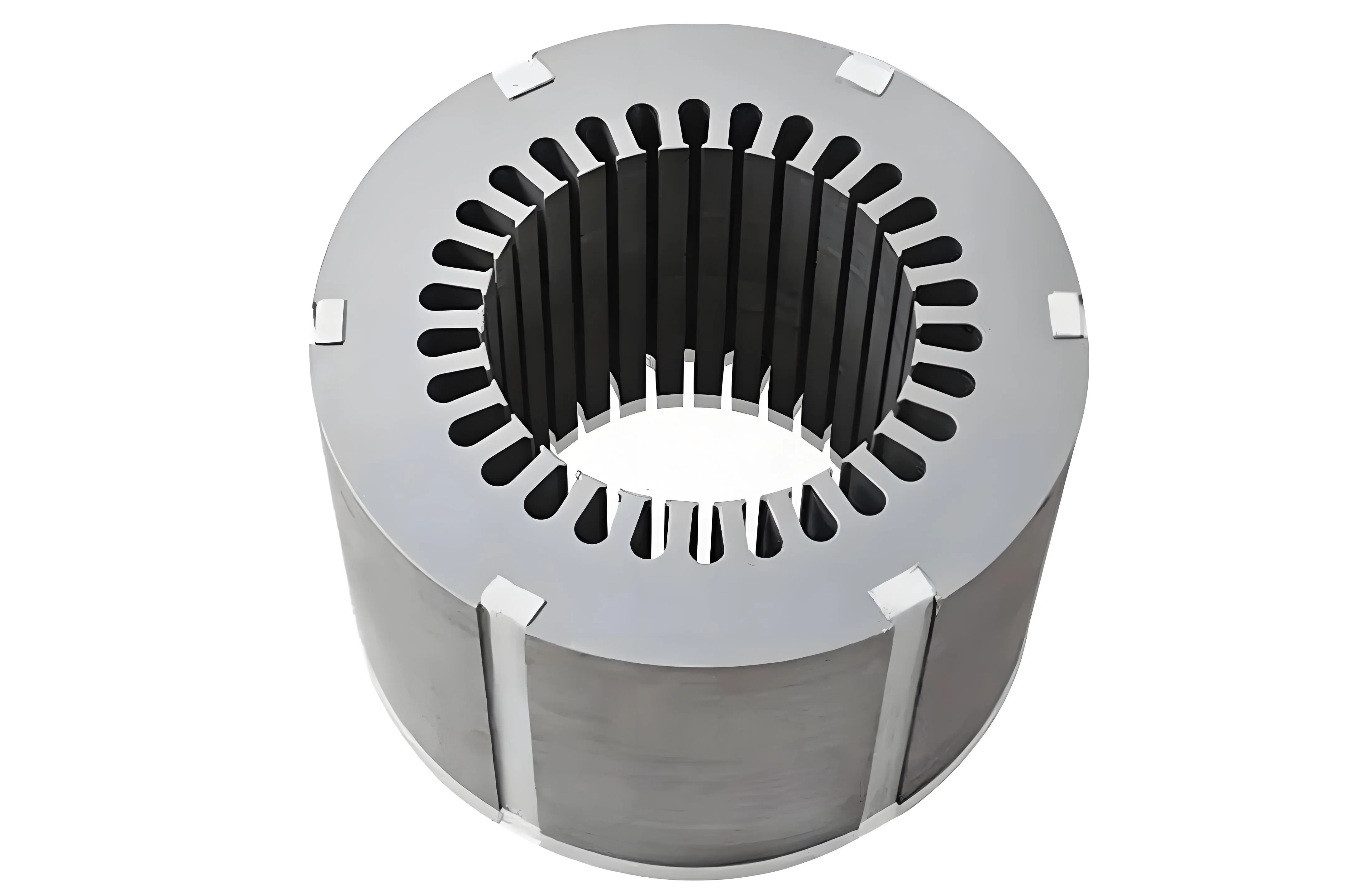
The rotor, on the other hand, is the only rotating part of the motor, typically composed of the rotor core, shaft, windings (or permanent magnets), and bearings. Like the stator core, the rotor core is made of laminated silicon steel sheets for efficient magnetic flux conduction. The shaft transmits torque, while the windings or permanent magnets interact with the magnetic field to drive the rotor's rotation. The rotor is mounted inside the stator with bearings, allowing it to rotate freely. Its dynamic balance and material strength are crucial for the motor’s stability and longevity.
2. Key Differences Between the Stator and Rotor
Motion State: The stator is fixed to the motor housing and remains stationary, while the rotor rotates within the magnetic field created by the stator, producing mechanical energy.
Functional Roles: The stator is responsible for establishing the magnetic field and serves as the "excitation source" of the motor, whereas the rotor operates within this magnetic field to produce mechanical output.
Structural Design Focus: The stator focuses on the arrangement and insulation of windings and the design of the cooling structure. In contrast, the rotor emphasizes rotational balance, mechanical strength, and precise control of the air gap between the stator and rotor.
3. Collaborative Working Principles of the Stator and Rotor
In an asynchronous AC motor, the stator windings carry alternating current, creating a rotating magnetic field. This magnetic field cuts through the rotor conductors, inducing current and generating torque that causes the rotor to follow the field’s rotation. In a synchronous motor or permanent magnet motor, the stator’s magnetic field interacts with the rotor’s magnetic field, ensuring synchronous rotation.
In a DC motor, the stator (usually consisting of permanent magnets or field windings) establishes a constant magnetic field, while the rotor windings carry direct current. The interaction between the current-carrying rotor and the magnetic field produces continuous torque.
The entire energy conversion process in a motor depends on the coupling of the stator and rotor’s magnetic fields through the air gap. The size of the air gap, along with the magnetic field’s strength and uniformity, directly impacts the motor’s efficiency, torque, and operational noise. Therefore, optimizing the performance of an electric motor often revolves around selecting suitable materials, winding designs, cooling systems, and assembly processes for both the stator and rotor.
4. Quality Control and Performance Enhancement
In the manufacturing and maintenance of electric motors, the magnetic performance of both the stator and rotor is crucial. For instance, Hunan Permanent Magnet Testing and Control Technology Co., Ltd., which specializes in the development and production of permanent magnet testing equipment, provides high-precision magnetic flux measuring instruments and flux testing systems. These tools can accurately measure key parameters such as the magnetic conductivity of the stator core, residual magnetism, and coercive force of the rotor’s permanent magnets. By implementing systematic testing, manufacturers can effectively control component quality, preventing issues like asymmetric magnetic circuits or magnetic field degradation, thus improving overall motor efficiency and operational reliability.
Conclusion
In summary, the stator and rotor are the “static” and “dynamic” counterparts of an electric motor, working in perfect harmony to enable efficient and stable energy conversion. Advances in material science, magnetic circuit design, and testing technologies continue to optimize the performance of these two components. As a result, electric motors are becoming more efficient, lightweight, and quieter, driving innovations across various industries and applications.